
Last Updated on November 22, 2025 by David
Essential Insights from the Article “Deep Cleaning Quarry Tiles: Removing Decades of Grime”:
- Older properties frequently feature quarry tiles that conceal decades of embedded grime, particularly in high-traffic areas like kitchens and utility rooms, where substances such as oil, wax, and dirt infiltrate the porous surface, leading to unsightly stains that diminish the tiles’ aesthetic appeal.
- Implementing industrial-grade cleaning techniques is crucial for effective restoration, employing rotary scrubbers, alkaline degreasers, and dwell-based strippers such as LTP Solvex to safely dismantle the stubborn layers of grime accumulated over years, ensuring a thorough clean.
- Applying a sealant post-cleaning is vital, as breathable penetrating sealers protect the tiles without altering their natural appearance; topical sealers like LTP Ironwax Satin can provide a glossy finish, provided that moisture conditions are not an issue.
- Maintaining your tiles after restoration is achievable with simple DIY practices, including dry sweeping and the use of pH-neutral cleaners, which help sustain the finish and prevent future dirt accumulation, ensuring long-lasting results.
Why Is Deep Cleaning Crucial for Older Quarry Tile Floors?
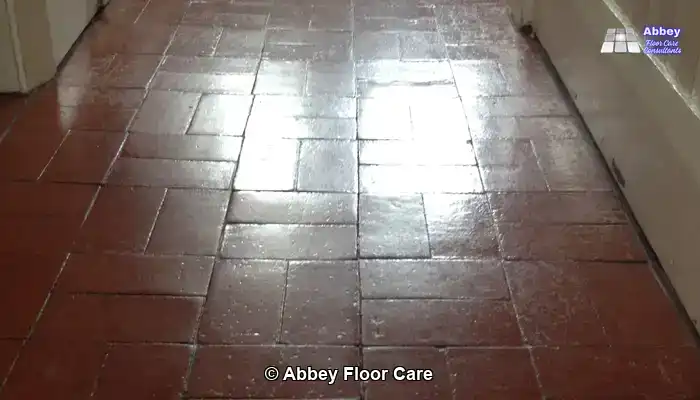
Quarry tiles are celebrated for their strength and durability; however, many older homes have seen these tiles absorb oils, waxes, and dirt over the years. Especially in kitchens and utility areas, these tiles often go overlooked, particularly under heavy appliances or outdated floor coverings. Homeowners aiming to rejuvenate their flooring encounter challenges that extend far beyond mere surface cleaning. This comprehensive guide elucidates effective methods to tackle deeply embedded grime using industrial techniques that are safe, efficient, and designed for the long-term upkeep of your property.
Why Do Quarry Tiles Accumulate Grime Over Time?
Investigating Conditions in Kitchens and Utility Rooms
In busy areas such as kitchens and utility rooms, quarry tiles regularly endure exposure to cooking oils, spills, and the daily wear of foot traffic. Over time, these substances do not merely reside on the surface; they penetrate the porous clay, creating stubborn layers that resist conventional cleaning approaches. When tiles are either unsealed or inadequately maintained, this absorption accelerates, resulting in a dull and uneven appearance that persists despite regular mopping efforts. Understanding these factors is essential for any homeowner looking to maintain or restore the beauty of their quarry tile floors.
Uncovering the Layers of Oil, Wax, and Soil That Lie Beneath
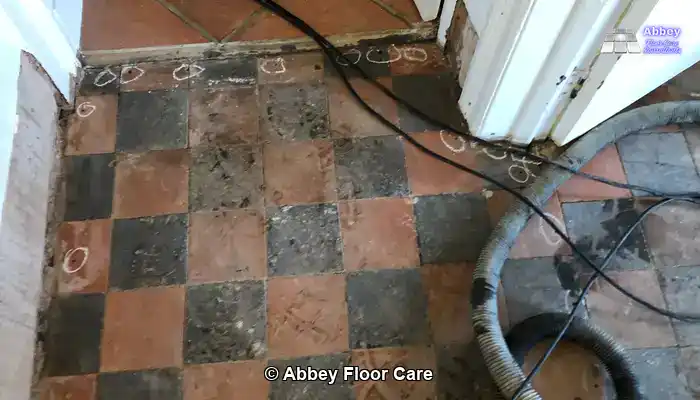
In many older residences, wax-based polishes or oil treatments were commonly applied to protect quarry tiles. While these methods provided a temporary shine, they also trapped airborne dust and cooking residues. As these layers accumulated, they formed a sticky film that bonded with dirt particles, complicating the cleaning process. This buildup is not merely cosmetic; it significantly impacts traction, hygiene, and the tile’s ability to breathe. Effectively removing these layers necessitates a combination of chemical breakdown and mechanical agitation to restore the tiles to their original state.
Recognising When Your Quarry Tiles Require Deep Cleaning
Identifying Visual and Tactile Signs of Embedded Dirt
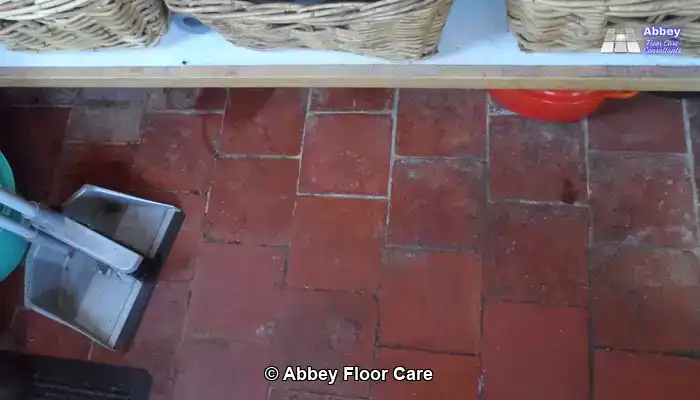
It is all too easy to assume a floor is clean based solely on its appearance. However, quarry tiles often hide layers of grime beneath the surface. A floor that seems freshly mopped may still feel sticky or greasy underfoot. If you wipe a damp cloth across the tile and it emerges dark or oily, this indicates that residues are embedded within the tile itself. Moreover, patches of uneven sheen—areas that remain dull regardless of how much scrubbing is done—often signal wax buildup or dirt trapped beneath older polish layers, necessitating a more thorough cleaning approach.
What Factors Contribute to Homes Being Particularly Vulnerable to Grime Accumulation?
Many homes feature kitchens and utility rooms that have not undergone modernisation for decades. These spaces often retain original quarry tiles that were either never sealed or treated with outdated waxes. Over time, layers of cooking oil, detergent runoff, and tracked-in dirt accumulate. Given the porous nature of these tiles, particularly in homes with children, pets, or significant foot traffic, they act like sponges. Even if the surface appears intact, the hidden grime can severely compromise both hygiene and aesthetic appeal, making it essential to address these issues to maintain a healthy living environment.
Examining the Limitations of DIY Approaches for Heavy Grime Removal
What Are the Risks of Using Off-the-Shelf Cleaners?
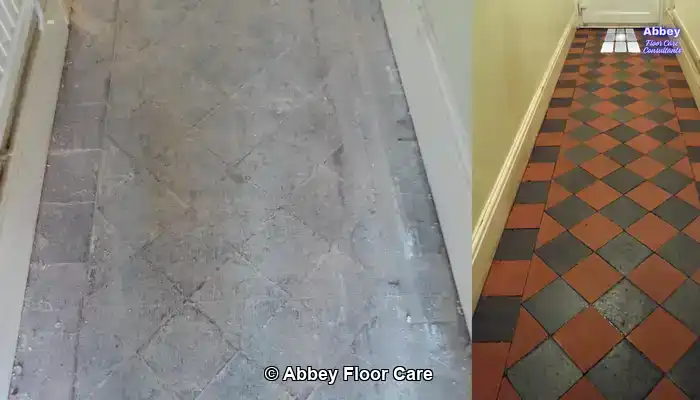
Most supermarket tile cleaners are formulated for superficial dirt removal. They may contain mild surfactants or acidic components that offer a temporary shine but rarely penetrate the layers of wax, oil, and dirt embedded within quarry tiles. Repeated use of acidic cleaners can actually etch the tile surface, increasing its porosity and vulnerability to future staining. Homeowners frequently discover that despite regular cleaning, their tiles remain sticky or discoloured, indicating that a deeper intervention is necessary to achieve satisfactory results.
Can You Successfully Restore Quarry Tiles Without Causing Damage?
To achieve a successful restoration, it is essential to break down decades of buildup without harming the underlying clay. While quarry tiles are sturdy, they are also absorbent and sensitive to aggressive treatment. Scrubbing too forcefully or using inappropriate chemicals can lead to uneven results or even irreversible damage. Professional methods employ controlled chemical reactions and mechanical agitation tailored to the tile’s condition. Achieving this balance is challenging with DIY tools, which often lack the necessary power and precision for safe restoration, increasing the risk of damage during the cleaning process.
Investigating Effective Industrial Cleaning Techniques for Quarry Tile Restoration
Understanding the Distinction Between Alkaline Cleaners and Sealer Strippers
To effectively eliminate decades of grime, professionals primarily utilise two chemical methods: alkaline degreasers and sealer strippers.
- Alkaline cleaners excel at removing organic residues such as cooking oils, general dirt, and everyday grime. They function by emulsifying grease, allowing it to be rinsed away safely without damaging the tile surface.
- Solvent-based sealer removers are employed when waxes, topical sealers, or layers of polish are present. These traditional solvent-based strippers dissolve synthetic coatings quickly but can be harsh and emit strong fumes that may necessitate extra precautions during use.
- Non-solvent sealer removers, such as LTP Solvex, offer a safer alternative. These non-solvent strippers penetrate the sealer and soften it gradually—similar to how paint strippers dismantle old coatings. Instead of instant dissolution, they are allowed to dwell for several hours or even overnight. Once softened, the residue is removed mechanically using scrubbing pads and water.
Selecting the appropriate product depends on the timeframe you have, your tolerance for strong fumes, and the specific type of buildup you are addressing. For deep restoration, particularly where old sealers are involved, a dwell-based stripper like LTP Solvex provides a more controlled and less aggressive solution. It softens the sealer gradually, allowing for removal with scrubbing pads and water, without relying on harsh solvents or rapid chemical breakdown.
Comparing the Advantages of Rotary Scrubbers and Manual Brushing Techniques
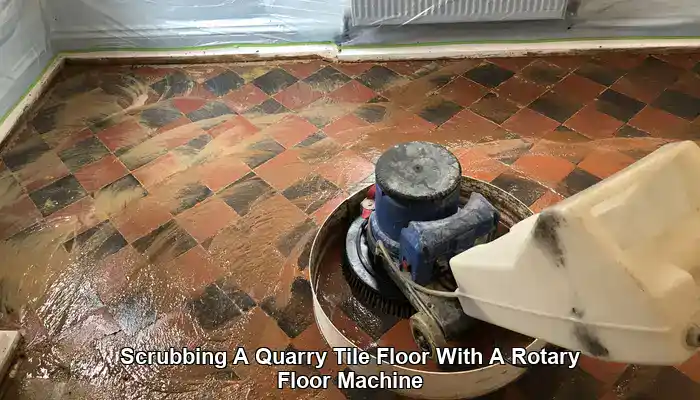
Mechanical agitation is crucial for the effective restoration of quarry tiles. Rotary scrubbers, equipped with weighted heads and stiff brushes, drive cleaning agents deep into the tile surface. This approach proves significantly more effective than manual brushing, which typically skims the surface and fails to thoroughly remove residues. The combination of chemical dwell time and machine pressure ensures that embedded grime is effectively dislodged without damaging the clay. For larger areas or severe buildup, rotary machines deliver consistent results that manual methods simply cannot achieve, providing a superior clean.
Choosing the Most Effective Chemicals for Quarry Tile Restoration
Ensuring the Safe Use of High-PH Cleaners
Alkaline cleaners with a high pH are essential for dismantling organic grime, but they must be handled with care to prevent any damage. These powerful degreasers react with oils and fats, lifting them away from the tile’s surface effectively. However, proper dilution and sufficient dwell time are crucial to avoid streaking or residue. In professional environments, technicians first test small areas and closely monitor the reactions. Homeowners attempting this without adequate knowledge may risk uneven results or chemical burns to surrounding surfaces, thereby underscoring the importance of thorough preparation.
Identifying When to Use Stripping Treatments for Effective Cleaning
Solvent strippers become necessary when wax, polish, or synthetic sealers have accumulated over time on the surface. These chemicals effectively dissolve coatings that trap grime beneath, allowing for complete cleaning of the tiles. Given that solvents can produce strong fumes and impact indoor air quality, they should only be applied in well-ventilated spaces while wearing appropriate protective gear. In older homes, chemical stripping often becomes the only viable solution to reach the original tile surface, particularly in kitchens where wax-based treatments were prevalent decades ago, necessitating professional help for optimal results.
Grasping the Importance of Mechanical Agitation in Cleaning
How Rotary Machines Effectively Lift Embedded Grime
Rotary machines employ weighted heads and stiff bristle pads to agitate the surface of quarry tiles. This process is not simply about scrubbing harder; it involves applying consistent pressure and motion that dislodges grime from deep within the tiles’ pores. The rotation of the machine aids in emulsifying dirt, enabling it to rise to the surface for safe rinsing. Without this mechanical lifting action, even potent chemicals may leave behind residues, rendering the cleaning process less effective than desired. Our company employs these machines for the majority of floor cleaning tasks, reserving hand pads for corners and edges that mechanical brushes cannot effectively reach.
Understanding the Significance of Pressure and Dwell Time in Effective Cleaning
Effective cleaning relies on more than just using the appropriate tools. The pressure applied by the machine, alongside the duration the chemical remains on the tile—referred to as dwell time—plays a crucial role in successful grime removal. Insufficient dwell time means that the cleaner will fail to break down the grime effectively. Conversely, applying too much pressure can risk damaging the tile surface. Professionals calibrate these parameters according to the condition of the tile, ensuring a thorough clean without compromising the integrity of the floor, thus prolonging its lifespan.
Post-Cleaning Procedures: Sealing and Long-Term Maintenance Strategies
Determining the Optimal Time and Method to Seal
Once quarry tiles are meticulously cleaned and thoroughly dried, the application of a sealant becomes essential to safeguard them from future staining and wear. This step is crucial for maintaining the tiles’ appearance and durability over time, ensuring they remain in excellent condition.
Choosing Between Impregnating or Penetrating Sealers for Optimal Protection
A breathable, penetrating sealer is ideal for unglazed clay surfaces, particularly on floors lacking a damp-proof membrane. These products penetrate the tile and create a barrier that repels oil and water without altering the natural appearance of the tiles. Timing is critical; sealing too early after cleaning can trap moisture, while delaying too long allows new dirt to settle. Generally, sealing should occur within 24 to 48 hours of cleaning, provided the tiles are thoroughly dry to ensure optimal results and prolong the life of the sealant.
Considering a Topical Sealer for an Elegant Sheen Finish
If a satin or gloss finish is desired, a topical sealer such as LTP Ironwax Satin provides a practical alternative. These sealers rest on the surface of the tile, imparting a subtle sheen while helping to mask minor surface irregularities. They can also facilitate easier cleaning, particularly on older quarry tiles that may have surface damage or crevices where dirt tends to accumulate. However, topical sealers are not suitable for damp-prone floors. Since they create a surface film, any moisture trapped underneath can lead to whitening, flaking, or adhesion problems. Always ensure the floor is entirely dry and free from rising damp before applying a topical finish to prevent future issues.
Understanding the Frequency of Cleaning and Resealing for Long-Term Care
Sealing is not a one-off solution. In areas with high foot traffic, such as kitchens and utility rooms, the protective layer diminishes over time. Most quarry tile floors benefit from resealing every 2 to 4 years, depending on usage and cleaning habits. Regular maintenance, such as dry sweeping and employing pH-neutral cleaners, helps prolong the life of the sealer. If tiles begin to absorb water quickly or show signs of darkening when wet, this indicates that the sealer has worn off and needs to be reapplied to maintain their protective properties.
Common Questions Homeowners Have About Quarry Tile Maintenance
Will Deep Cleaning Alter the Colour of My Tiles?
Typically, deep cleaning restores the original colour of the tiles rather than changing it. Over the years, accumulated grime can darken or dull the surface, so when these layers are removed, the tiles may appear brighter or more vibrant. This effect is not a colour change; it is simply a return to the tiles’ natural state. If wax or polish has yellowed over time, stripping it away can reveal the true colour underneath, enhancing the overall aesthetic of your flooring.
Is Quarry Tile Restoration a Messy or Disruptive Process?
While industrial cleaning involves machinery and chemicals, the process is controlled and contained. Rotary scrubbers utilise minimal water and eliminate waste during the cleaning process, leading to a tidier operation. Many homeowners are pleasantly surprised by how tidy the cleaning process is, especially in comparison to DIY attempts that often result in streaks or residues. Proper ventilation and preparation significantly reduce disruption, making it a manageable project even in busy households.
Can I Sustain the Cleaning Results on My Own?
Absolutely—once the tiles are restored and sealed, ongoing maintenance is straightforward. Regular dry sweeping and occasional mopping with pH-neutral cleaners will keep the surface clean and undamaged. Avoid acidic or bleach-based products, as these can degrade the protective layer. With proper care, revitalised quarry tiles can retain their beauty and functionality for years, even in high-traffic areas, ensuring a lasting impression that enhances the overall appeal of your home.
The Article Deep Cleaning Quarry Tiles: Removing Decades of Grime first appeared on https://www.abbeyfloorcare.co.uk
The Article Deep Cleaning Quarry Tiles for Decades of Stubborn Grime appeared first on https://fabritec.org
The Article Deep Cleaning Quarry Tiles: Banish Decades of Grime Was Found On https://limitsofstrategy.com



Ah, quarry tiles—the unsung heroes of our kitchens, aren’t they? They carry the weight of our culinary mishaps right on their backs! I mean, who hasn’t spilled a gallon of sauce while trying to impress guests with spaghetti from scratch? And sure, that grime just makes them look more like modern art than flooring.