Key Ingredients for Perfecting Your Laminated Dough
Making Informed Choices When Selecting Flour for Outstanding Pastries
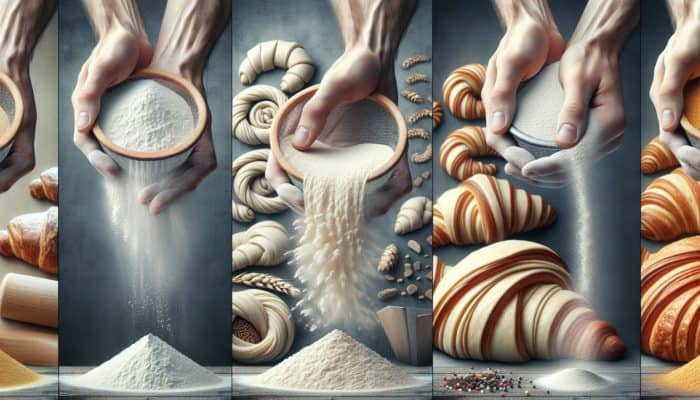
To master the art of creating laminated dough for pastries, it is essential to understand that the flour you choose plays a pivotal role in the final outcome. The type of flour you select impacts the elasticity and overall texture of your dough, which is crucial for achieving the perfect pastry. Typically, all-purpose flour and bread flour are the most recommended choices, as they offer higher protein content, which is vital for developing gluten. Gluten serves as the structural backbone of your pastry, delivering the necessary support and firmness. While all-purpose flour strikes a balance between flakiness and tenderness, bread flour, with its elevated protein levels, results in a chewier texture that is especially advantageous for crafting croissants. When making your flour selection, keep in mind the following options and their potential effects on your dough:
- All-Purpose Flour: This versatile option provides a balanced outcome, making it suitable for a wide range of pastries.
- Bread Flour: With its high protein content, this flour yields a chewier texture, ideal for croissants and other similar pastries.
- Pastry Flour: Lower in protein, this flour creates a tender dough, perfect for more delicate pastries.
- Whole Wheat Flour: Adds a subtle nutty flavour but may require adjustments in moisture levels to achieve the desired consistency.
- Gluten-Free Flour: While specialised blends can be used for gluten-free pastries, they often yield different textures and may need additional binding agents for best results.
Understanding the nuances of flour selection is vital for crafting pastries with the perfect texture and flavour. By experimenting with various types of flour, you can discover unique flavour profiles and textures that will make your baked goods stand out in quality and taste. Each flour type brings its own characteristics to the mix, so make deliberate choices depending on the specific pastry you aim to create.
Opting for Premium Butter to Achieve Optimal Lamination
The quality of butter you choose is fundamental to achieving the distinct layers in laminated dough. It is crucial to select high-quality butter with a fat content of at least 82%, as this ensures that your layers remain flaky and do not merge during the baking process. Furthermore, the moisture content in the butter can significantly affect the texture of your pastry; excessive moisture may lead to a soggy result, while insufficient moisture can cause dryness. When selecting butter, consider these important factors:
- High Fat Content: Choose butter with a minimum of 82% fat to ensure the best results in lamination.
- Unsalted Butter: This allows for better control over the salt levels in your recipes, enhancing flavour balance.
- Cold Temperature: Ensure the butter is chilled to prevent melting during the lamination process, which can disrupt layer formation.
- Reputable Brands: Opt for brands known for their high-quality dairy products to guarantee the best outcomes in your baking.
Utilising premium butter not only elevates the flavour of your pastries but also enhances their overall texture and visual appeal. The success of laminated dough relies heavily on the butter’s ability to generate steam during baking, which expands the layers and contributes to the desired flakiness that characterises these pastries.
Choosing the Right Yeast and Additives to Improve Dough Quality
Yeast plays a crucial role as a leavening agent, allowing the dough to rise and creating an airy texture in laminated pastries. Your choice of yeast can significantly influence the results of your baking; fresh yeast offers a robust flavour, while instant yeast provides convenience and reliable outcomes. Additionally, incorporating salt and sugar can elevate the flavour profile, adding depth and sweetness to your pastries. Be mindful of how the type and quantity of yeast used will impact the dough’s rise and fermentation rate. Consider these essential points:
- Fresh Yeast: Provides a rich flavour but has a shorter shelf life, requiring timely use.
- Active Dry Yeast: Requires activation in warm water before use, making it beginner-friendly and easy to work with.
- Instant Yeast: Can be mixed directly with dry ingredients, providing reliability and simplicity in the baking process.
- Salt: Enhances flavour while strengthening gluten, which is vital for maintaining structural integrity in your pastry.
- Sugar: Contributes sweetness and assists in achieving a desirable browning effect during baking.
Choosing the right yeast and additives is critical for achieving the desired rise and flavour in your laminated dough. Each ingredient plays a significant role, and understanding how they interact can greatly enhance your skills in pastry-making, leading to fantastic results.
Perfecting the Lamination Technique for Exceptional Results

Comprehensive Guide to Proper Dough Preparation Techniques
The initial steps of preparing your dough are crucial for effective lamination. Begin by carefully mixing your selected flour, yeast, salt, and water until a smooth dough forms. It is vital to allow this dough to rest adequately, promoting proper hydration and gluten development before advancing to the lamination process. Here’s how to prepare your dough effectively:
- Measure Ingredients Accurately: Ensure precise measurements of flour, water, yeast, salt, and sugar to achieve optimal hydration and consistency.
- Mix Ingredients Thoroughly: Start by combining the dry ingredients before adding water to ensure even distribution throughout the mixture.
- Knead the Dough Properly: Knead until the dough reaches a smooth, elastic texture, which typically takes about 8-10 minutes, ensuring gluten is well developed.
- Allow Dough to Rest: Cover the dough and let it rest for 30-60 minutes to prevent it from drying out and to allow the gluten to relax.
This preparation phase is essential; it ensures that your dough is sufficiently hydrated and primed for the lamination process. A well-rested dough will be easier to roll out and manage, ultimately leading to superior results in your finished pastries.
Strategies for Effectively Incorporating Butter into Your Dough
Incorporating butter into your prepared dough is a vital step in creating laminated dough. The objective is to encase the butter within the dough, ensuring it is evenly distributed while remaining cold to maintain clear layers. To achieve this, roll out your dough into a rectangle, place the butter on one half, and fold the other half over. Common mistakes made during this phase can hinder the lamination process. Here are key considerations to keep in mind:
- Temperature of the Butter: Ensure the butter is cold yet pliable; if it becomes too soft, it may ooze out during lamination, ruining the layers.
- Even Rolling: Apply consistent pressure while rolling to maintain a uniform thickness throughout the dough.
- Avoid Overworking the Dough: Handle the dough gently to prevent the butter from melting or blending into the dough, which can compromise the final product.
- Seal the Edges Well: Tight seals are crucial to keep the butter contained during the lamination process, ensuring that layers remain distinct.
By steering clear of these common pitfalls, you can create a well-laminated dough that results in the flaky layers you desire. Paying close attention during the butter incorporation phase will set a solid foundation for the success of your pastries.
Exploring Various Folding Techniques for Layering Success
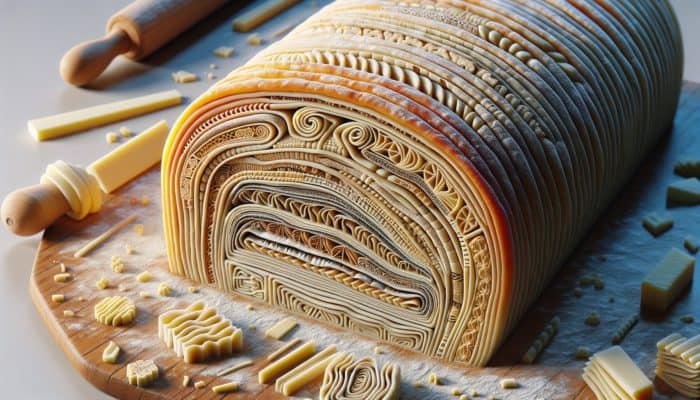
The folding technique you employ significantly influences the layers in your laminated dough. Various methods, including single, double, or letter folds, create differing layers of dough and butter, leading to unique textures in your pastries. Understanding how these techniques impact your final product is essential.
For example, a single fold results in fewer layers compared to a double fold, which effectively doubles the layer count with each fold. Here is a brief overview of how different folding techniques can influence your pastries:
- Single Fold: This method is simple and effective for beginners but generates fewer layers, resulting in less flakiness.
- Double Fold: This technique significantly increases the layer count, enhancing the flakiness and overall texture of the pastry.
- Letter Fold: Resembling a business envelope, this method is ideal for ensuring even layer distribution.
- Book Fold: Similar to the letter fold, this technique allows for more layers with less handling of the dough.
Experimenting with these techniques can yield varied results, allowing bakers to adapt their methods based on the desired textures and flakiness in their pastries. The choice of folding method directly influences both the structural integrity and overall flakiness of your final baked goods.
The Essential Role of Resting and Chilling Dough Between Folds
Resting and chilling the dough between folds is fundamental to the lamination process. This crucial step allows the gluten to relax, making the dough easier to roll out without tearing and preventing the butter from melting. Proper chilling helps maintain distinct layers, resulting in the flaky texture characteristic of laminated pastries. Implement the following strategies for optimal results:
- Chill Between Folds: Allow the dough to rest for at least 30 minutes after each fold to help relax the gluten structure and maintain layer integrity.
- Use Plastic Wrap: Cover the dough to prevent it from drying out during resting periods, keeping the surface moist.
- Monitor Your Kitchen Temperature: Maintain a cool environment to prevent the butter from melting during the lamination process.
- Establish Consistent Timing: Stick to a regular resting schedule, developing a routine that enhances your lamination technique.
Incorporating effective resting and chilling practices into your baking workflow will significantly improve the quality of your laminated dough. By allowing your dough the necessary time to relax, you ensure that the layers remain intact, resulting in beautifully flaky pastries that impress.
Expert Insights for Mastering Laminated Dough for Pastries
Maintaining Ideal Temperature Throughout the Lamination Process
Keeping the correct temperature throughout the lamination process is paramount for achieving success. Ideally, the dough should be at a cool room temperature, while the butter must remain firm yet pliable. The optimal temperature for dough is around 22-24°C (72-75°F), while the butter should be kept at 13-15°C (55-60°F). In professional kitchens, temperature control is often managed through climate-controlled environments to ensure consistent results.
Utilising a marble countertop or a chilled rolling pin can assist in regulating temperature when rolling out the dough. Here are additional insights into effective temperature management:
- Use Chilled Tools: Employ chilled rolling pins and surfaces to enhance temperature control during the rolling process, avoiding butter softening.
- Monitor Dough Temperature: Use an instant-read thermometer to accurately gauge the dough’s temperature, ensuring it remains within the ideal range.
- Cool Environment: Take advantage of cooler times of day or a cool kitchen for optimal results, especially during warmer months.
- Adjust Temperature as Needed: If the butter begins to soften, return the dough to the refrigerator to restore its firmness and maintain structure.
By prioritising temperature management, you can avoid common issues such as butter leakage and dough sticking, ultimately leading to improved quality in your pastries.
Mastering Rest Periods for Optimal Baking Results
Rest periods are essential for allowing the dough to relax, preventing tearing, and ensuring even butter distribution throughout the dough. Effectively managing these resting periods can significantly influence the outcome of your lamination process. The general guideline is to allow the dough to rest for at least 30 minutes after each fold; however, this duration may vary depending on your dough’s consistency and the temperature of your working environment. Here’s how to manage resting periods effectively:
- Set Timers: Utilize timers to ensure consistent resting intervals between folds, promoting uniformity in your baking process.
- Cover the Dough: Always cover your dough with plastic wrap or a damp cloth to prevent it from drying out during resting periods.
- Practice Patience: Avoid rushing the lamination process; resting is critical for optimal gluten relaxation and dough manageability.
- Adjust Resting Time as Needed: If the dough feels tight or difficult to work with, consider extending the resting period for improved results.
By adhering to these guidelines, you can ensure that your dough remains manageable and pliable throughout the lamination process, thereby enhancing both the texture and appearance of your final product.
Troubleshooting Common Challenges in Laminated Dough Preparation
Even seasoned bakers encounter challenges when working with laminated dough. Common issues such as butter leakage, uneven layers, or excessive toughness can arise during the baking process. Effectively addressing these concerns requires a comprehensive understanding of the lamination process. For instance, butter leakage may occur if the butter is too soft or if the dough is not properly sealed. Here’s how to troubleshoot common problems effectively:
- Butter Leakage: If you notice butter leaking, check the temperatures of both your dough and butter; they should be compatible and well-chilled.
- Uneven Layers: Ensure that you are rolling and folding evenly to maintain consistent layers throughout the dough.
- Tough Dough: Overworking the dough can lead to excessive gluten development; allow for adequate resting time to mitigate this issue.
- Dough Too Dry: If the dough feels dry, incorporate a small amount of water during mixing to achieve the desired consistency without compromising texture.
Being proactive about these potential issues not only saves time but also ensures that your final product meets the high standards of flaky, rich pastries that laminated dough promises to deliver.
What Makes Laminated Dough So Flaky and Delicious?
Unpacking the Role of Steam in Creating Flakiness
Steam plays a pivotal role in achieving the flaky texture that is characteristic of laminated dough. During the baking process, the water content in the butter evaporates, generating steam that expands between the layers of dough, resulting in light and airy pastries. The science behind this phenomenon centres around the formation of air pockets, which are essential for achieving that delightful flakiness. Here are some insights into how steam contributes to your pastries’ texture:
- Water Content: A higher moisture content in the butter produces more steam during baking, significantly enhancing the flakiness of the finished product.
- Layer Separation: Steam effectively pushes layers apart, creating the desired flaky structure that defines high-quality pastries.
- Baking Temperature: High initial temperatures facilitate quick steam production, setting the layers before they have a chance to collapse.
- Type of Butter: The type of fat used can impact steam generation; for instance, butter tends to produce more steam compared to shortening due to its composition.
Understanding the critical role of steam allows bakers to adapt their techniques to enhance the flakiness of their pastries, ensuring that every bite delivers the satisfying crunch and airy texture that is so sought after in baked goods.
Utilising Layering Techniques to Enhance Flakiness
The quantity and quality of layers in laminated dough directly correlate with the flakiness of the end product. Various layering techniques will influence not only the texture of your pastries but also their visual appeal. For example, executing a double fold can exponentially increase the number of layers compared to a single fold. Here’s how different layering techniques can affect your final pastry’s texture:
- Single Fold: This method is simple to execute but results in fewer layers, consequently reducing overall flakiness.
- Double Fold: This technique creates a significant increase in layers, leading to a noticeably flakier product.
- Book Fold: Efficient for maintaining layers while facilitating easy handling of the dough, enhancing both texture and ease of shaping.
- Letter Fold: Similar to the book fold, both methods yield multiple layers suitable for a variety of pastries with delightful textures.
Mastering these techniques empowers bakers to have greater control over their pastries’ texture, achieving the desired flakiness and visual appeal that captivates consumers and elevates their baking to new heights.
Understanding the Importance of Baking Temperatures in Achieving Flakiness
Optimal baking temperatures are essential for creating the desired flakiness in laminated dough. A high initial temperature helps to set the layers quickly, locking in the steam that contributes to the pastry’s rise. Generally, a temperature range of 200-220°C (390-425°F) is recommended for most laminated pastries. Consider these key points regarding baking temperatures:
- Preheat the Oven: Always ensure your oven is preheated to the correct temperature before placing your pastries inside to achieve consistent results.
- Utilise a Baking Stone: A baking stone can enhance results by ensuring even heat distribution, leading to uniform baking and optimal flakiness.
- Monitor Bake Time: Adjust baking times based on your specific oven characteristics; remember that every oven behaves differently, so stay vigilant.
- Aim for a Golden Brown Colour: A well-baked pastry should exhibit a golden brown, crisp exterior indicative of proper flakiness.
By understanding the critical role of baking temperatures, bakers can fine-tune their techniques to achieve that signature flaky crust, which is the hallmark of expertly crafted laminated pastries.
Selecting the Right Fat for Optimal Results in Baking
The type of fat used in your laminated dough plays a significant role in determining both the flakiness and texture of the final product. While butter, renowned for its rich flavour and high fat content, is the traditional choice, alternatives such as shortening or margarine can also be employed, albeit with varying results. Here’s how your choice of fat can impact your pastries:
- Butter: Provides a rich flavour and generates steam during baking, leading to exceptional flakiness in the finished product.
- Shortening: Produces a tender texture but lacks the flavour complexity that butter offers, which may affect overall satisfaction.
- Margarine: Can serve as a suitable alternative, but may contain added water, which can negatively impact flakiness and texture.
- Fat Blends: Combining butter with shortening can strike a balance between flavour and texture, resulting in a pastry that satisfies both taste and texture preferences.
Choosing the right fat is a crucial decision that influences both the taste and texture of your laminated pastries. Understanding the properties of each fat type will help you achieve your desired results with confidence and precision.
The Significance of Resting and Chilling for Flaky Pastries
Proper resting and chilling of dough are essential for achieving optimal flakiness in laminated pastries. These processes allow the gluten to relax and prevent the butter from melting during lamination. Resting periods typically last about 30 minutes between folds, although they may vary based on the dough’s condition and your working environment. Here’s why these steps are vital:
- Relaxation of Gluten: Resting allows gluten to relax, making the dough easier to handle during subsequent folds and ensuring better layer formation.
- Maintaining Butter Firmness: Chilling helps keep the butter solid, ensuring that distinct layers remain intact throughout the lamination process.
- Quality of Layers: Proper resting leads to well-defined layers, significantly contributing to the flakiness and texture of the final baked product.
- Effective Timing: Establishing a routine for resting periods can streamline the lamination process, improving efficiency and results.
Incorporating effective resting and chilling practices into your lamination workflow will enhance the quality of your pastries, ensuring they achieve the signature flakiness that makes laminated dough so desirable and sought after.
Discovering Various Pastry Types Crafted from Laminated Dough
Creating Iconic Croissants with Laminated Dough
Croissants are a quintessential example of laminated dough, celebrated for their crescent shape and buttery layers. The key steps in shaping croissants involve rolling out the dough and cutting it into triangles. Each triangle is then rolled from the base to the tip, forming the signature crescent shape. Here’s how to effectively shape croissants:
- Roll the Dough: Roll out to approximately 1/4 inch thickness, ensuring an even thickness throughout to promote uniform baking.
- Cut Triangles: Cut the dough into equal-sized triangles, with a base of about 4-5 inches to ensure consistency in size.
- Roll Tightly: Start at the base and roll towards the tip, ensuring you do not stretch the dough excessively to maintain its integrity.
- Shape the Ends: Curve the ends towards each other to achieve the classic crescent shape that defines authentic croissants.
Mastering the art of croissant shaping can significantly enhance the authenticity and quality of your pastries. The result should be beautifully layered, flaky croissants that embody the essence of French patisserie, leaving a lasting impression on all who taste them.
Unleashing the Versatility of Danish Pastries
Danish pastries are renowned for their versatility, often filled with a wide array of sweet or savoury ingredients. They serve as the perfect canvas for creativity, showcasing the adaptability of laminated dough. The variety of fillings can greatly affect both the texture and overall flavour profile of the pastries. Here’s how different fillings can impact the texture of Danish pastries:
- Fruit Fillings: Juicy fillings may create a softer texture, so it’s essential to balance moisture levels to avoid sogginess in the final product.
- Cream Cheese: Rich fillings contribute to puffiness and tenderness, enhancing the overall experience of eating these pastries.
- Savory Fillings: Ingredients such as cheese or meat can add density, requiring careful balancing to maintain flakiness and prevent sogginess.
- Chocolate: High-quality chocolate fillings enhance richness; always choose premium chocolate for the best results and flavour.
Experimenting with various fillings not only diversifies your offerings but also allows you to develop unique flavour profiles that appeal to a broader audience. The versatility of Danish pastries makes them a favourite in patisseries around the world, constantly inviting innovation and creativity.
Puff Pastry: A Layered Delight for Every Occasion
Puff pastry is distinguished by its multiple layers and versatility, making it suitable for both sweet and savoury dishes. Its unique lamination process sets it apart from other types of laminated dough, often requiring more folds to achieve the desired layer count. Understanding the distinctions between puff pastry and other laminated doughs is fundamental for any baker. Consider these key differences:
- Layer Count: Puff pastry generally requires more folds compared to croissant dough to achieve a higher number of layers, enhancing its flakiness.
- No Yeast: Unlike croissant dough, puff pastry is typically made without yeast, relying solely on steam for leavening.
- Texture: Puff pastry tends to be lighter and flakier due to its increased layer count, creating a delightful eating experience.
- Versatile Use Cases: Ideal for tarts, turnovers, and pies, puff pastry offers endless culinary possibilities and creativity in the kitchen.
Understanding these key differences allows bakers to choose the appropriate dough for their specific needs, ensuring they achieve the right texture and flavour profile in their baked creations.
Kouign-Amann: A Unique Sweet Indulgence Worth Exploring
Kouign-Amann is a delightful pastry from Brittany that showcases the richness of laminated dough through its caramelised sugar layers. Known for its rich, buttery flavour, it beautifully highlights the interplay between sweetness and flaky texture. The sugar within Kouign-Amann affects both texture and flavour; here’s how:
- Caramelisation: The sugar caramelises during baking, adding depth and complexity to the overall flavour profile, making each bite an indulgence.
- Texture Variation: Sugar creates a slightly crunchy exterior, providing a contrast to the soft interior that delights the palate.
- Butter Balance: Ensuring the right butter-to-sugar ratio is key; too much sugar can lead to excessive sweetness that overwhelms the pastry.
- Layering Influence: The method of incorporating sugar can affect layering; consider adding it between folds for added richness and texture.
Kouign-Amann serves as a testament to the versatility of laminated dough and provides an exciting exploration of flavours and textures that resonate with pastry enthusiasts worldwide, making it a must-try for any baker.
Pain au Chocolat: A Chocolate Lover’s Dream Come to Life
Pain au Chocolat features rich chocolate enveloped in layers of buttery laminated dough, offering a perfect balance between pastry and sweetness. Key steps in incorporating chocolate into the dough include selecting high-quality chocolate and ensuring even distribution throughout the dough. Here’s how to create the perfect Pain au Chocolat:
- Select Quality Chocolate: Choose dark chocolate to provide a rich, contrasting flavour that complements the pastry beautifully.
- Cut Chocolate Bars: Chop chocolate into small pieces to ensure even distribution within the pastry, enhancing the overall experience.
- Placement: Position the chocolate towards the centre of the rolled triangle before rolling it up to ensure even melting and a delightful surprise in every bite.
- Seal Properly: Ensure the dough is well sealed around the chocolate to prevent leakage during baking, which can ruin the pastry’s appearance and texture.
Mastering the technique of making Pain au Chocolat enables bakers to create a delightful treat that has captured hearts and taste buds globally. Each bite should reveal a harmonious blend of flaky pastry and rich chocolate, embodying the true essence of laminated dough.
What Benefits Does Laminated Dough Provide for Bakers and Consumers?
Elevated Texture and Sensory Experience in Pastries
One of the primary advantages of using laminated dough lies in its unique texture, characterised by a delightful combination of flakiness and tenderness. This texture elevates the eating experience, distinguishing it from other types of dough. The layering process creates distinct air pockets, resulting in light, flaky pastries. Here’s how the texture of laminated dough compares to others:
- Flaky Layers: Each layer contributes to the overall flakiness, providing a satisfying crunch with every bite, enhancing the tasting experience.
- Tender Crumb: The multiple layers create a tender crumb, ensuring a delightful mouthfeel that heightens enjoyment.
- Aromatic Quality: The steam produced during baking increases aroma, making pastries even more appealing to consumers.
- Visual Appeal: Layered stratification creates an enticing appearance, making baked goods more visually attractive and marketable.
The exquisite texture of laminated dough not only enhances the sensory experience but also plays a crucial role in the overall enjoyment of pastries, solidifying their status as a favourite choice among consumers worldwide.
Versatility of Laminated Dough in a Variety of Baking Applications
The versatility of laminated dough allows it to be utilised in a wide range of baked goods, spanning both sweet and savoury applications. This flexibility opens the door to endless possibilities for innovation and creativity in the kitchen. Here are some creative uses for laminated dough:
- Pastries: From croissants and Danish pastries to puff pastry tarts, the variety is extensive and exciting.
- Savory Dishes: Use laminated dough for quiches or filled pastries to provide a delightful texture and flavour combination.
- Sweet Treats: Incorporate a range of fillings, such as fruit, chocolate, or cream, to create unique desserts that cater to various tastes.
- Appetisers: Puff pastry can be transformed into bite-sized appetisers, perfect for gatherings and events, adding sophistication to your menu.
The adaptability of laminated dough allows bakers to cater to diverse tastes and preferences, ensuring there is something for everyone. This versatility makes it a staple in both bakeries and home kitchens alike, inviting creativity and experimentation.
Enhancing the Visual Appeal of Pastries through Laminated Dough
The distinct layers of laminated dough add significant visual appeal to baked goods, enhancing their attractiveness to consumers. The sight of beautifully layered pastries can entice customers and elevate the overall baking experience. Here are ways bakers can enhance the visual appeal of their laminated dough products:
- Glazes and Toppings: Use egg washes or sugar glazes to add shine and vibrant colour to your pastries, making them more appealing.
- Innovative Shaping Techniques: Employ unique shapes or twists to make pastries stand out on display, capturing the interest of potential buyers.
- Layer Visibility: Ensure layers are visible through careful rolling and shaping, highlighting the craftsmanship involved in your baking.
- Aesthetic Presentation: Serve pastries on attractive platters or decorative stands to enhance overall presentation and appeal.
Focusing on the visual aspects of laminated pastries not only boosts their marketability but also creates an enjoyable experience for consumers, drawing them in for a closer look and a taste of your delicious creations.
Extended Shelf Life for Pastry Products Made with Laminated Dough
Products made from laminated dough often benefit from an extended shelf life due to their unique structure. The layering technique helps retain moisture while preventing sogginess, keeping pastries fresher for longer. Here’s how this advantage benefits both bakers and consumers:
- Reduced Waste: A longer shelf life translates to less waste for bakers, maximising profitability and efficiency.
- Consumer Convenience: Customers can enjoy pastries over an extended period without sacrificing quality, enhancing their experience.
- Storage Flexibility: Products can be stored without rapid spoilage, improving the overall buying experience for consumers.
- Quality Retention: The unique structure preserves flavour and texture, ensuring a satisfying eating experience for the consumer even days after baking.
The extended shelf life of products made from laminated dough not only benefits bakers’ profitability but also enhances consumer satisfaction by delivering high-quality pastries over time, creating loyal customers.
Effective Storage and Freezing Techniques for Laminated Dough
Best Practices for Short-Term Storage of Laminated Dough
Proper short-term storage is essential for maintaining the quality of laminated dough for several days. To ensure your dough remains fresh and usable, adhere to these best practices:
- Wrap Tightly: Use plastic wrap to tightly cover the dough, preventing air exposure and maintaining freshness for optimal results.
- Refrigerate: Store your dough in the refrigerator to keep it cool and workable for baking, ensuring it stays pliable.
- Label and Date: Always label your dough with the date to remain aware of its freshness and avoid using expired products.
- Keep Portions Small: Divide the dough into smaller portions for easier use and quicker cooling, making it more convenient.
By implementing effective short-term storage techniques, bakers can prolong the shelf life of their laminated dough while ensuring high-quality results during baking and maintaining the desired texture.
Long-Term Freezing of Laminated Dough for Preservation
Freezing laminated dough allows for longer storage without compromising quality. Proper preparation before freezing is crucial to maintaining the dough’s integrity. Here’s how to prepare laminated dough for freezing effectively:
- Portion Control: Cut the dough into manageable portions to facilitate thawing and ensure quick use when needed.
- Wrap Tightly: Use heavy-duty plastic wrap to seal each portion, preventing freezer burn and preserving quality.
- Utilize Airtight Containers: Place wrapped dough in airtight containers or freezer bags for added protection against air exposure.
- Label and Date: Clearly label containers with names and dates for easy identification and tracking of your stored dough.
Utilising these effective freezing techniques enables bakers to store laminated dough for extended periods while preserving its quality, flavour, and texture, allowing for spontaneous baking opportunities.
Thawing and Using Frozen Laminated Dough for Baking
Properly thawing frozen dough is crucial for maintaining its properties and ensuring optimal results. Here’s a step-by-step guide on how to effectively thaw and use frozen laminated dough:
- Transfer to Fridge: Move frozen dough to the refrigerator for an overnight thaw; this method helps maintain the dough’s structure and integrity.
- Check for Softness: Ensure the dough is soft but not warm before rolling out; if it’s too firm, allow it to sit at room temperature for a short while.
- Roll with Care: Roll out the dough gently once thawed to avoid tearing, using a delicate touch for best results.
- Shape and Bake: After rolling, shape the dough as directed and bake according to your recipe, ensuring optimal results.
By following these steps, bakers can ensure that their frozen laminated dough retains its quality and delivers excellent results once baked, making it a valuable asset in any baker’s repertoire.
Essential Tips for Perfecting Your Laminated Dough
Ensuring Consistent Rolling Techniques for Even Layers
Maintaining even pressure and thickness during the rolling process is crucial for achieving uniform layers in laminated dough. Inconsistent rolling can lead to uneven layers, negatively impacting the final product’s texture and flakiness. Here are the best tools and techniques for achieving consistent rolling:
- Quality Rolling Pin: Use a French or tapered rolling pin for better control over thickness and to ensure an even roll.
- Guides for Thickness: Consider using pastry strips or a dough thickness guide to ensure uniformity in your rolling.
- Rotate the Dough: Frequently rotate the dough while rolling to achieve even thickness on all sides, promoting uniform cooking.
- Work in Sections: Roll out manageable sections rather than the entire dough at once for greater control and ease.
By focusing on consistency during the rolling process, bakers can ensure that their laminated dough achieves the desired texture and flakiness, resulting in superior pastries that delight the palate.
Cultivating Timing and Patience in the Lamination Process
Creating laminated dough requires time and patience, as rushing through the process can lead to less-than-optimal results. Cultivating patience is key to mastering the intricacies of laminated dough. Allow yourself the necessary time for each step to ensure high-quality pastries. Here are some tips for developing patience in the lamination process:
- Set a Structured Schedule: Establish a timeline for each step, including resting and chilling periods, to maintain consistency.
- Enjoy the Creative Process: Embrace the artistry involved in making laminated dough and appreciate each stage of development.
- Practice Mindfulness: Focus on the task at hand and minimise distractions to enhance your overall baking experience.
- Accept Imperfections: Understand that not every batch will be perfect; use each attempt as a learning opportunity to improve your skills.
By practising patience and developing an appreciation for the process, bakers can achieve high-quality results and enjoy the art of creating beautiful laminated pastries.
Embracing Practice and Experimentation for Mastery
Mastering laminated dough often requires a commitment to practice and experimentation with different techniques and recipes. Each attempt provides valuable learning experiences that can help refine your baking skills. Here are some common experiments bakers can try to improve their laminated dough:
- Varying Folding Techniques: Experiment with different folding methods to see how they affect the final product’s texture and flakiness.
- Testing Different Fat Types: Try using various fats (butter, shortening, etc.) to see how they impact flavour and texture in your pastries.
- Mixing Flour Blends: Combine different flours to explore their effects on dough elasticity and flavour profiles.
- Exploring Various Fillings: Test different sweet and savoury fillings to discover new and exciting combinations that can elevate your pastries.
By embracing a spirit of experimentation, bakers can unlock new flavours and textures in their laminated pastries, continually improving their craft and expanding their repertoire of delicious creations.
Frequently Asked Questions About Laminated Dough
What is laminated dough?
Laminated dough is a type of pastry dough consisting of alternating layers of dough and butter, creating a flaky texture when baked. It is commonly used in various pastries, such as croissants and Danish pastries, known for their delightful layers.
Can I use margarine instead of butter in laminated dough?
While margarine can be utilised, it may not achieve the same richness and flakiness as high-fat butter. For the best results, opt for unsalted butter to ensure superior flavour and texture.
How do I know when my dough is ready to roll out?
The dough is ready to roll out when it is smooth, elastic, and has rested adequately to relax the gluten. It should feel pliable but cool to the touch, indicating proper hydration.
How can I prevent butter leakage during baking?
Ensure that the butter is cold and well incorporated within the dough. Additionally, verify that the dough is sealed properly around the butter to prevent leakage during the baking process, which can ruin the pastry’s appearance.
What is the difference between puff pastry and croissant dough?
Puff pastry is typically made without yeast and requires more folds for layering, while croissant dough uses yeast to help it rise, providing a different texture and flavour profile altogether.
How long can I freeze laminated dough?
Laminated dough can be frozen for up to three months. Ensure it is wrapped tightly to protect against freezer burn and to maintain quality and texture during storage.
What temperature should my oven be for baking laminated pastries?
The ideal baking temperature for laminated pastries ranges from 200-220°C (390-425°F) to achieve a crisp, flaky texture that is desirable in high-quality pastries.
How do I know when my pastries are done baking?
Pastries are considered done when they are golden brown, crispy, and have risen significantly. The internal temperature should also be above 90°C (195°F) for optimal results.
Can I use whole wheat flour for laminated dough?
Yes, whole wheat flour can be used; however, it may require adjustments in hydration levels and can yield a denser texture compared to all-purpose flour, so be prepared for variations.
Is it necessary to let the laminated dough rest between folds?
Absolutely, resting is essential for relaxing the gluten, making the dough easier to work with and helping maintain the integrity of the layers during the lamination process.
Check out our latest updates on our Facebook page!
The post How to Make Laminated Dough for Pastries: A Universal Guide appeared first on https://cookinggods.com.
The Article Laminated Dough for Pastries: Your Ultimate Guide Was Found On https://limitsofstrategy.com