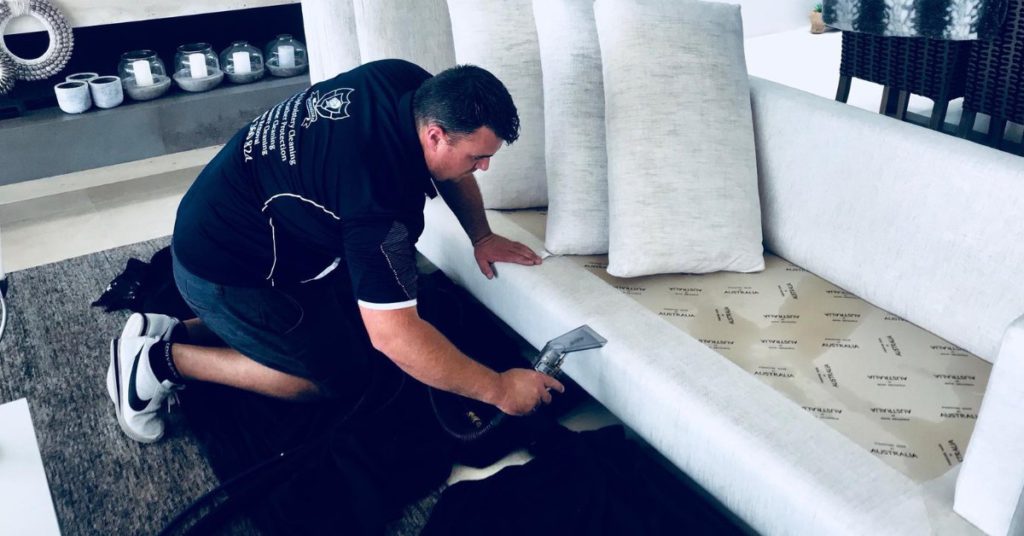
When evaluating sofa cleaning methods, many individuals perceive steam cleaning as the superior option, and in many instances, this is indeed true. Nevertheless, it is essential to appreciate that steam cleaning is not universally applicable and may not be the most suitable choice for every type of sofa or cleaning scenario. Factors such as the type of fabric, environmental conditions, and seasonal variations can significantly influence the effectiveness and appropriateness of steam cleaning for your sofa.
With over 40 years of experience in providing sofa cleaning services throughout Sydney, Wollongong, and the Southern Highlands, we at Wundaguard have observed a common error many homeowners make: underestimating the importance of proper drying conditions. Frequently, individuals focus solely on the cleaning process and neglect to recognise the crucial role of allowing the sofa to dry thoroughly after cleaning. Effectively managing the drying process is vital for maintaining the quality and longevity of your furniture.

Understanding the Key Distinctions Between Steam Cleaning and Dry Cleaning for Sofas
Steam cleaning, often referred to as hot water extraction, employs moisture to effectively lift and eliminate dirt and grime embedded deep within the fabric fibres. When executed correctly and under optimal conditions, steam cleaning can yield impressive results, revitalising your sofa and restoring its appearance to that of a new piece.
However, it is crucial to comprehend that not all fabrics, home environments, or weather conditions are conducive to steam cleaning. For example, delicate fibres may incur damage from the elevated moisture levels associated with steam cleaning. Thus, it is vital to be aware of the limitations and potential risks involved. At Wundaguard, we strictly adhere to a policy of never employing steam cleaning on mattresses, as the associated risks typically outweigh any potential benefits.
In the domain of professional furniture cleaning, a comprehensive assessment is an essential preliminary step prior to initiating any cleaning procedures or operating any machines. This thorough evaluation aids in identifying the most effective cleaning approach tailored specifically to each unique piece of furniture.
Recognising the Critical Role of Drying Time in Successful Sofa Cleaning
The primary concern with steam cleaning lies not in the cleaning process itself, but rather in what occurs after the cleaning has been completed. If a sofa remains damp for an extended period, it can lead to significant problems that adversely affect both the furniture and the overall living environment.
Prolonged drying times can result in:
- unpleasant damp or musty odours
- the risk of mould or mildew growth within the sofa cushions
- moisture becoming trapped in the internal padding
- distortion or stiffness in the fabric
- increased chances of bacteria proliferation
The likelihood of these risks escalates dramatically when:
- the humidity levels are elevated
- ambient temperatures are low
- air circulation is insufficient
- the sofa is positioned against walls or in confined spaces
- windows cannot be opened for proper ventilation
- homes rely heavily on heating rather than adequate ventilation
How Do Weather Conditions Influence Sofa Cleaning Outcomes?
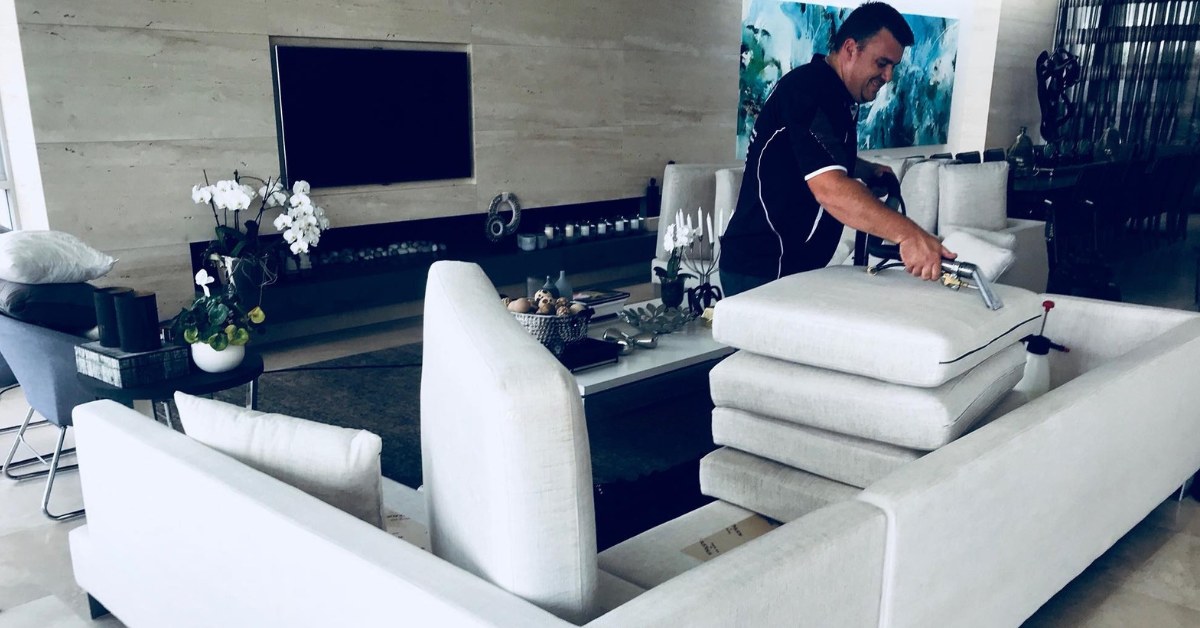
Professional cleaners must take into account environmental conditions on the day of cleaning, rather than solely focusing on the type of fabric being treated. High humidity or cold temperatures can significantly impede evaporation rates, resulting in your furniture remaining damp for much longer than the recommended drying time, sometimes extending up to 24 hours or more.
At Wundaguard, when we encounter less-than-ideal drying conditions, we frequently recommend opting for dry or low-moisture sofa cleaning instead. This alternative approach allows us to clean your sofa effectively while minimising the risk of long-term damage due to excessive moisture.
Our ultimate aim is not merely to deliver a clean sofa; we strive for a safe, completely dry, and healthy outcome that prevents any potential secondary issues in the future.
How Wundaguard Determines the Optimal Cleaning Method for Your Sofa
Every sofa undergoes a meticulous assessment to ascertain the most appropriate cleaning strategy. We consider various factors, including:
- the type of fabric
- the colourfastness of the material
- the construction and padding characteristics
- the degree of soiling
- the sofa’s location within the home
- the availability of ventilation
- current temperature and humidity levels
Based on our thorough evaluation, we select one of the following:
- Steam Cleaning: suitable for durable fabrics and optimal drying conditions
- Dry / Low-Moisture Cleaning: recommended for delicate fabrics, humid conditions, or scenarios with limited airflow
This adaptable approach is precisely why furniture retailers consistently rely on Wundaguard for their brand-new lounges and high-value furniture pieces.
Understanding the Value of Your Furniture Investment
Sofas represent a significant financial investment. Employing incorrect cleaning methods or inadequate drying procedures can drastically shorten their lifespan and diminish their visual appeal over time.
Opting for a cleaning provider with a profound understanding of fabric science, environmental conditions, and long-term maintenance can have a substantial impact on how long your furniture remains in excellent condition and how it continues to look throughout its lifetime.
Implementing Fabric Protection: A Crucial Follow-Up After Cleaning
Once your sofa has been thoroughly cleaned and permitted to dry completely, fabric protection should be the subsequent recommended step. This additional layer of protection provides numerous advantages.
Fabric protection:
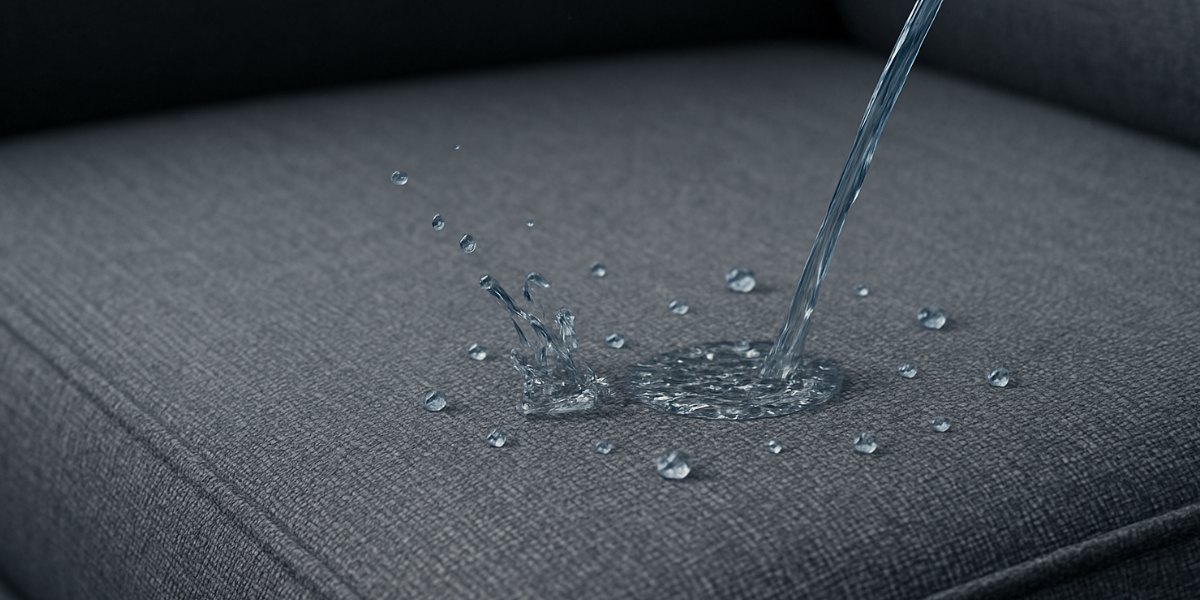
- effectively repels spills and stains
- reduces the absorption of moisture into the fabric
- shortens drying time after any future accidents
- facilitates easier routine maintenance
- provides UV resistance to combat fading
- limits the growth of odour-causing bacteria
This protective measure is particularly beneficial in households with children, pets, or high-traffic seating areas where wear and tear is more likely to occur.
The Essential Insight: Effective Sofa Cleaning Requires Expertise Beyond Just Equipment
While anyone can establish a furniture steam cleaning business and profess to clean your couch, the reality is that experience truly matters. With 40 years of expertise in the industry, we at Wundaguard know precisely which cleaning method is most suitable for your specific furniture needs.
We do not apply steam cleaning in situations where it is not appropriate. Our focus remains steadfast on selecting the method that best protects your sofa, aligns with the prevailing environmental conditions, and ensures the most favourable long-term outcomes for your furniture.
Addressing Common Questions Surrounding Couch Steam Cleaning
Is steam cleaning safe for all types of sofas?
No, steam cleaning is not suitable for every type of sofa. While it can be effective on certain durable, colourfast fabrics, delicate or natural fibres may necessitate dry or low-moisture cleaning techniques to avert potential damage, shrinkage, or excessive wetting of the fabric.
Why is drying time crucial after steam cleaning a sofa?
Drying time is vital because prolonged dampness can result in moisture being trapped in the sofa’s padding. This can create unpleasant odours, promote mould growth, or encourage bacterial proliferation, all of which can adversely affect both the fabric and the indoor air quality of your home.
Does weather impact the effectiveness of sofa steam cleaning?
Yes, weather conditions significantly influence the results of sofa steam cleaning. High humidity, cold temperatures, and poor ventilation can greatly prolong drying times. Professional cleaners should consider these factors before opting for steam cleaning to avoid leaving your furniture damp.
When is dry sofa cleaning the better option?
Dry or low-moisture cleaning is generally preferable when drying conditions are less than ideal, ventilation is restricted, or the sofa’s fabric is delicate. This method allows for effective cleaning without saturating the upholstery.
How do professionals determine whether to use steam or dry cleaning?
Professionals conduct a thorough assessment that takes into account fabric type, colourfastness, level of soiling, ventilation, temperature, and humidity. The safest and most effective cleaning method is selected based on these critical factors, rather than for convenience.
Should fabric protection be applied after cleaning a sofa?
Absolutely. It is advisable to apply fabric protection, as it helps repel spills, reduces moisture absorption, and simplifies future cleaning. It also contributes to extending the life of your sofa by safeguarding the fibres against stains, wear, and UV-induced fading.
The Article: Should Sofas Be Steam Cleaned Or Dry Cleaned? first appeared on https://writebuff.com
The Article Steam Cleaning vs. Dry Cleaning: Which is Best for Sofas? Was Found On https://limitsofstrategy.com