Discover the Key Components for Creating a Traditional Hungarian Goulash
What Are the Essential Ingredients Needed for Crafting Authentic Goulash?
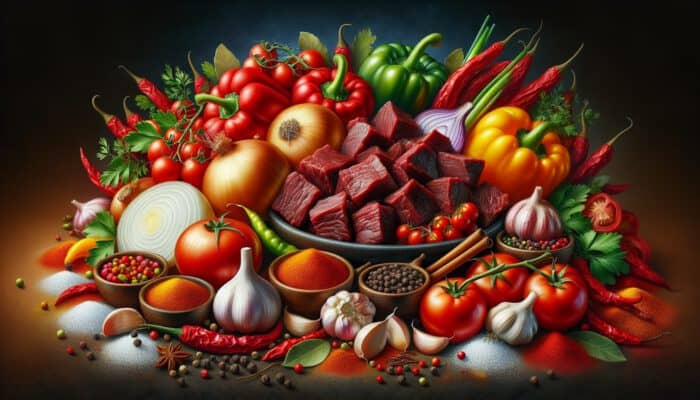
To achieve a truly authentic Hungarian goulash, it is essential to assemble a well-rounded selection of ingredients that includes different types of meats, a variety of vegetables, and aromatic spices. The cornerstone of this dish comprises high-quality beef, ideally from the chuck portion, along with aromatic onions, vibrant bell peppers, robust garlic, succulent tomatoes, and a hearty mix of spices such as paprika, caraway seeds, and bay leaves. To further enhance the dish, consider adding fresh herbs like parsley, which will not only enrich the flavour profile but also boost the visual appeal of this hearty meal.
What Supplies Should I Gather Before Cooking Goulash?
Before setting off on your culinary adventure to prepare goulash, it is crucial to assemble all necessary supplies to simplify your cooking process. Prioritising the sourcing of high-quality ingredients is paramount, as superior choices greatly contribute to a robust and satisfying dish. Collect your selected meats, fresh vegetables, aromatic spices, and essential kitchen tools to ensure a seamless preparation phase. With everything readily available, you can focus on crafting a delightful meal that is sure to impress your family and friends.
How Can I Measure Ingredients Accurately for Perfect Goulash?
Achieving the ideal consistency and taste in your goulash relies heavily on accurate measurements of each ingredient used. It is advisable to utilise standard measuring tools for precise results, including both liquid and dry measuring cups, as well as kitchen scales. For practical measurement tips, employ a digital scale to ensure accurate meat portions, use standard measuring spoons for spices, level off dry ingredients to ensure consistency, and verify conversions for liquid volumes. By adhering to accuracy and maintaining attention to detail, you will consistently create a delightful goulash that captivates everyone around your table.
- Utilise a digital scale for precise meat portions.
- Measure spices accurately with standard measuring spoons.
- Level off dry ingredients for consistency.
- Double-check conversions for liquid volumes.
By prioritising precision in your measurements, you will reliably produce a delectable goulash that leaves a memorable impression on all your guests.
How Can I Make Ingredient Substitutions for Dietary Preferences?
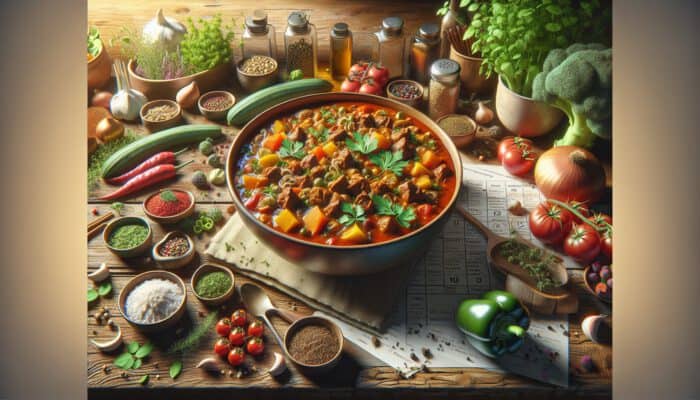
Flexibility in your ingredient choices can cater to a variety of dietary needs while maintaining the rich flavours of goulash. For those following a vegetarian lifestyle, consider using plant-based meats that mimic the texture and taste of traditional beef without compromising authenticity. Additionally, gluten-free alternatives such as rice flour can be effective as thickening agents, ensuring the integrity of the meal remains intact. Experimenting with these ingredient substitutions allows you to create a balanced dish that everyone can savour, making your goulash accessible and delicious for all dietary preferences.
What Are the Best Practices for Storing Ingredients Properly?
To maintain freshness and preserve the nutritional value of your ingredients, it is essential to understand the best practices for storing your ingredients. Refrigerate fresh vegetables such as bell peppers and onions in airtight containers to prolong their shelf life. For meats, consider freezing portions that you do not plan to use immediately, ensuring they are tightly wrapped to prevent freezer burn. By implementing proper storage methods, you will enhance the quality of your goulash preparation when it is time to cook, ensuring that all ingredients retain their flavours and nutrients.
What Techniques Should I Use to Prepare the Meat for Goulash Perfectly?
How Should I Cut the Meat for Optimal Cooking Results?

For the best results, it is crucial to cut the meat into evenly sized pieces to promote uniform cooking and tenderness. Begin by trimming any excess fat from your beef chuck, then slice it into uniform cubes measuring 1 to 1.5 inches. This size not only aids in better absorption of flavours during cooking but also contributes to a more enjoyable texture. Techniques such as using a sharp knife and cutting against the grain will improve the meat’s texture, making it easier to chew and ensuring a delightful experience with every bite of your goulash.
What Marinating Techniques Should I Employ for Enhanced Flavour?
Marinating your meat serves to both infuse it with flavour and enhance its tenderness, ultimately leading to a truly scrumptious goulash. A simple yet effective marinade can consist of ingredients such as olive oil, vinegar, paprika, and garlic. Allow the meat to marinate for at least 30 minutes—or longer if time allows—to ensure deeper flavour penetration. This straightforward method keeps the cooking process uncomplicated, while significantly enriching the overall flavour of your dish, guaranteeing that every bite is filled with incredible taste.
What Seasoning Options Can Enhance the Flavour Profile of My Goulash?
Seasoning is fundamental in elevating the flavour complexity of your goulash. Explore a variety of seasoning options to create a universally appealing dish that caters to diverse palates. Consider adding smoked paprika for a deep, smoky flavour; fresh thyme for aromatic notes; salt and pepper to amplify overall taste; and chili powder for an extra punch. Adjusting these seasonings according to personal preferences allows you to customise the flavour experience, making your goulash a highlight at any gathering.
- Smoked paprika for a rich, smoky taste.
- Fresh thyme to add aromatic notes.
- Salt and pepper to enhance overall flavours.
- Chili powder for an extra kick.
Advanced Techniques for Cooking a Rich Hungarian Goulash
What Cooking Methods Should I Use for Authentic Flavour Development?
Delve into sophisticated techniques for simmering and stirring your goulash to achieve a truly authentic flavour. Begin by browning the meat in a heavy-bottomed pot, which is key to developing a rich foundation of flavours. Once the meat has browned, add your onions and sauté them until they turn translucent. Gradually introduce your spices, allowing them to bloom and release their aromatic oils. Maintaining a gentle simmer is crucial; this slow cooking method ensures that the flavours meld harmoniously, resulting in a superior outcome with every batch of goulash you prepare.
What Professional Tips Can Help Refine My Cooking Technique?
Crucial advice from experienced chefs can significantly enhance your cooking technique. Timing and heat control are vital; cook the onions and meat over medium heat, then lower the heat to allow for simmering. This controlled heat prevents burning and preserves the vibrancy of the dish. Regularly taste the goulash during the cooking process and adjust the seasonings as required, ensuring each bite bursts with flavour and that your goulash consistently turns out perfectly.
What Common Mistakes Should I Avoid While Cooking Goulash?
Avoiding common cooking errors can dramatically influence the final dish. One prevalent mistake is failing to allow adequate time for the goulash to simmer; ensure it cooks long enough to develop rich, complex flavours. Another pitfall is neglecting proper seasoning. Regularly taste and adjust throughout the cooking process to avoid dull flavours. These practical adjustments can enhance consistency and guarantee delightful results, making your goulash a dish to remember and cherish.
How Can I Select Quality Ingredients for the Best Goulash Experience?
Choosing high-quality ingredients is essential for an authentic goulash experience. Start with fresh, high-quality meats that are free from additives. Opt for vibrant, firm vegetables, particularly onions and bell peppers, as they form the backbone of the dish. Authentic Hungarian paprika is critical; seek out sweet or smoked varieties to achieve a true flavour profile. These expert tips on sourcing will enrich the depth and authenticity of your goulash, ensuring that every bite is filled with joy and satisfaction.
How Can I Achieve Balance in Flavours and Textures in My Goulash?
Striking the right balance among the various elements in your goulash is vital for creating an unforgettable dish. Pay close attention to harmonising spices, acids, and textures. For instance, incorporating a splash of vinegar or a squeeze of lemon can brighten the flavours, cutting through the richness of the meat. Adjust seasoning levels and consistency to ensure each mouthful offers a delightful interplay of textures and flavours, crafting a truly memorable dining experience that keeps everyone coming back for more.
Research-Backed Health Benefits of Cooking a Rich Hungarian Goulash
What Nutritional Benefits Does Goulash Provide?
Examining the health-promoting aspects of your goulash’s ingredients reveals numerous nutritional advantages. Lean beef is rich in protein, which is essential for muscle maintenance, while vegetables such as bell peppers and tomatoes provide vital vitamins and antioxidants. Moreover, spices like paprika are abundant in beneficial compounds that may offer anti-inflammatory effects, highlighting how this dish contributes to a balanced meal that supports overall well-being and promotes a healthy lifestyle.
How Do the Health Benefits of Goulash Contribute to Overall Well-Being?
The various components of goulash support digestion and boost energy levels. For example, the fibre from vegetables enhances gut health, while the hearty protein content keeps you satiated. Incorporating goulash into your daily meal plan can simplify preparation while being nutritious, offering a comforting dish that nourishes both body and soul. This combination of wholesome ingredients ensures that you not only enjoy a delicious meal but also support your overall health with every bite.
Why Is Goulash So Popular Among Diners Worldwide?
The enduring appeal of goulash stems from its comforting qualities and rich, satisfying flavours. This dish is not only fulfilling but also versatile, making it a favourite option for many. Its adaptability to different ingredients and tastes allows it to resonate with diverse cultures, solidifying its status as a beloved meal around the globe. Whether enjoyed at family gatherings or special occasions, goulash remains a cherished dish that brings warmth and joy to every dining table.
What Are Common Mistakes to Avoid When Cooking Goulash?
How Can I Identify and Prevent Overcooking My Dish?
Recognising the signs of overcooking is essential to ensure your goulash retains its ideal texture and flavour. Overheating can lead to tough meat and mushy vegetables, compromising the integrity of the dish. To avoid this, monitor cooking time closely and use a timer. Aim for a gentle simmer rather than a vigorous boil, allowing the dish to develop flavour without sacrificing texture, thereby ensuring that your goulash remains a delightful experience for all.
What Problems Are Associated with Underseasoning Goulash?
Insufficient seasoning can dull the flavours of your goulash, resulting in a lacklustre dish. To rectify underseasoning early, taste the dish as it cooks and add salt, pepper, or other spices gradually. This proactive approach ensures that every ingredient shines through, promoting better taste outcomes through simple adjustments. By being attentive to seasoning, you can elevate your goulash to new levels of flavour and satisfaction.
What Improper Storage Methods Should I Avoid for Leftover Goulash?
Maintaining freshness after cooking is crucial to preserving the quality of your goulash. Store leftovers in airtight containers to prevent spoilage, and refrigerate them promptly within two hours of cooking to ensure food safety. When reheating, do so gently on the stovetop or in the microwave, taking care to ensure that the dish maintains its essence and does not dry out. Following these storage guidelines will ensure your goulash remains delicious and safe for later enjoyment.
Final Touches and Serving Suggestions for Your Goulash
How Should I Present the Goulash for an Attractive Dining Experience?
Arranging the finished dish appealingly can significantly enhance the overall dining experience. Focus on presentation techniques that make the goulash more inviting and appetising. Consider serving it in a deep bowl to highlight the stew-like consistency, and garnish with freshly chopped parsley or a dollop of sour cream for added colour and richness. This visual appeal enhances the overall enjoyment of this comforting meal and encourages everyone to dig in and relish every bite.
What Side Dishes Pair Well with Goulash to Complete the Meal?
Complementing your goulash with suitable accompaniments can elevate the overall enjoyment of the meal and create a well-rounded dining experience. Consider these versatile options: crusty bread for dipping, buttered noodles to absorb the sauce, rice for a more substantial base, and pickles for a tangy contrast. These pairings not only balance the meal but also introduce varied textures and flavours, creating a satisfying dining experience that leaves everyone feeling content and happy.
- Crusty bread for dipping.
- Butter noodles to soak up the sauce.
- Rice for a heartier base.
- Pickles for a tangy contrast.
What Are the Best Practices for Storing Leftover Goulash?
Efficient storage management is crucial for retaining flavour and safety in your goulash. Place leftovers in airtight containers, ensuring they are completely cooled before sealing to prevent condensation. Consume refrigerated goulash within 3 to 4 days for optimal freshness, or freeze for long-term storage. By using appropriate containers and adhering to storage timelines, you can ensure your delicious creation remains intact for future meals, allowing you to enjoy the comforting flavours of goulash even after the initial cooking.
Frequently Asked Questions About Hungarian Goulash
What Is the Best Meat Choice for Hungarian Goulash?
The best meat for Hungarian goulash is typically beef chuck, as it becomes tender and flavourful when slow-cooked. However, you can also opt for lamb or pork for variation, depending on your preferences and desired flavour profiles for this classic dish.
Can I Make Goulash Vegetarian or Vegan-Friendly?
Yes, goulash can be easily adapted to be vegetarian by substituting meat with plant-based alternatives or hearty vegetables such as mushrooms and lentils, while still maintaining the dish’s rich flavours and satisfying characteristics.
How Long Does It Typically Take to Cook Goulash?
Cooking goulash generally takes about 2 to 3 hours, allowing sufficient time for the meat to become tender and for the flavours to meld beautifully, creating a rich and satisfying dish that everyone will adore and remember.
What Spices Are Essential for Authentic Hungarian Goulash?
Essential spices in Hungarian goulash include paprika, caraway seeds, and black pepper. These spices create the characteristic flavour profile of the dish, making it a distinctive and enjoyable meal that reflects its cultural roots.
Can I Freeze Leftover Goulash for Future Use?
Yes, you can freeze leftover goulash. Store it in airtight containers for up to 3 months, and thaw it in the refrigerator before reheating to ensure the best texture and flavour when serving.
How Can I Effectively Thicken My Goulash?
To thicken goulash, you can use cornstarch slurry, flour, or even crushed potatoes. Stir in your thickening agent while simmering until the desired consistency is achieved, enhancing the overall texture of the dish.
Which Vegetables Work Best in Goulash?
Common vegetables in goulash include onions, bell peppers, and tomatoes. Furthermore, carrots and potatoes can add heartiness and flavour, making your goulash a well-rounded and satisfying meal that delights the senses.
Is Traditional Goulash Considered Spicy?
Traditional Hungarian goulash is not typically very spicy. However, you can always add chili powder or crushed red pepper to increase the heat level to suit your taste, allowing everyone to customise their experience with this beloved dish.
How Can I Enhance the Flavour of My Goulash?
Enhance the flavour of your goulash by using high-quality spices, incorporating fresh herbs, and allowing it to simmer longer to deepen the flavours, ensuring a rich, satisfying dish that delights the palate with every bite.
What Should I Serve Alongside Goulash for a Complete Meal?
Serve goulash with crusty bread, buttered noodles, rice, or a side salad to create a complete meal that balances the dish’s hearty nature while offering a variety of textures and flavours that complement each other beautifully.
Connect with us on Facebook to share your goulash experiences!
The post How to Cook a Rich Hungarian Goulash: A Step-by-Step Guide appeared first on https://cookinggods.com
The Article Hungarian Goulash: Step-by-Step Cooking Guide Was Found On https://limitsofstrategy.com
The Article Hungarian Goulash Cooking Guide: A Step-by-Step Approach found first on https://electroquench.com