Comprehensive Overview of Iron Deficiency Testing in Blackburn
What Steps Should You Follow to Start Your Iron Deficiency Consultation?
Private Blood Test for Iron Deficiency in Blackburn: Many residents of Blackburn begin their path to understanding iron deficiency by consulting their GP. During this initial visit, patients discuss their symptoms and medical history, helping the doctor ascertain whether a blood test for iron deficiency is necessary. The GP can arrange the required tests through local NHS services or recommend private clinics for faster results.
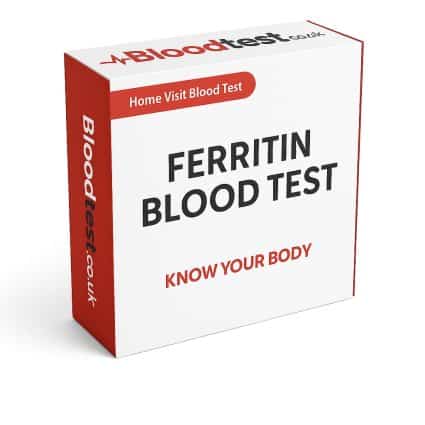

This initial consultation is vital, as it not only helps identify potential iron deficiency but also allows for a thorough assessment of overall health. GPs in Blackburn are well-versed in the common symptoms of iron deficiency and can provide direction on subsequent steps, ensuring that patients receive tailored care suited to their individual circumstances.
Which Blood Markers Are Essential in Iron Deficiency Diagnosis?
Diagnosing iron deficiency requires examining several key blood markers. The primary indicators include ferritin levels and haemoglobin counts, both critical for assessing the body’s iron reserves and oxygen-carrying capacity. Typically, ferritin levels drop significantly in cases of deficiency.
For Blackburn residents seeking a diagnosis of potential anaemia, understanding these markers is crucial. A ferritin test can indicate if the body has sufficient iron to produce haemoglobin, the protein vital for oxygen transport in red blood cells. This knowledge is essential for developing an effective treatment strategy.
What Regulations Govern Local Laboratories Conducting Blood Tests?
Laboratories in Blackburn comply with strict UK regulations to ensure the accuracy of results from blood tests for iron deficiency. These standards safeguard the testing process, from sample collection to result evaluation. Local facilities are equipped with advanced technology and staffed by experts trained in the nuances of blood testing.
The commitment to high standards means patients can trust the results they receive. Accurate testing is vital for diagnosing iron deficiency, as it directly impacts treatment strategies and health outcomes for individuals in Blackburn.
How Can You Recognise Symptoms That Necessitate Testing?
Residents of Blackburn should be vigilant about various symptoms that may signal the need for testing for iron deficiency. Common indicators include ongoing fatigue, pallor, and shortness of breath. These symptoms often prompt individuals to seek consultation with their GP, who may recommend a blood test to either confirm or rule out anaemia.
Identifying these symptoms early can lead to timely action. For those experiencing fatigue or weakness, a blood test for iron deficiency can be a crucial step in uncovering underlying health issues, enabling appropriate treatment and management through NHS services.
What Happens After You Receive Your Test Results?
Once a blood test for iron deficiency is completed, patients in Blackburn will discuss the results with their healthcare providers. This follow-up is essential for interpreting the findings and determining the next steps. Based on the results, doctors may recommend <a href="https://electroquench.com/iron-supplements-for-energy-best-picks-to-enhance-vitality/">iron supplements</a>, dietary changes, or further investigations.
According to UK guidelines, continuous monitoring is crucial for individuals diagnosed with iron deficiency. Regular check-ups can help ensure that treatment is effective and that iron levels are stabilising, ultimately promoting better health outcomes for patients in Blackburn.
What Is the Process for Conducting Blood Tests for Iron Levels in Blackburn?
How Are Blood Samples Collected at Local Clinics?
In Blackburn, trained phlebotomists collect blood samples for iron level testing at local health centres. These professionals aim to make the process as efficient and comfortable as possible for patients. Typically, the collection involves a straightforward venous blood draw, which is quick and uncomplicated.
The expertise of the staff is vital in ensuring patient comfort and sample accuracy. Following collection, the samples are dispatched to local laboratories for analysis, where they undergo detailed testing to evaluate iron levels and overall health status.
What Preparation Steps Should Patients in Blackburn Take?
Proper preparation for a blood test is essential for ensuring accurate results. Here are some important measures for Blackburn patients to consider:
- Confirm whether fasting is required based on the specific test ordered.
- Avoid taking iron supplements or multivitamins containing iron for at least 24 hours before the test.
- Stay hydrated by drinking plenty of water unless otherwise directed.
- Inform the healthcare provider of any medications currently being taken.
These preparatory actions can significantly influence the reliability of test results, providing clearer insights into iron levels and potential deficiencies.
What Is the Typical Turnaround Time for Results?
In Blackburn, laboratories generally provide blood test results within a few days. Patients can expect to receive their results through secure patient portals or during follow-up consultations with their healthcare provider. This quick turnaround is particularly important for those awaiting diagnosis and treatment for iron deficiency.
Timely access to results facilitates prompt decision-making regarding treatment options. Healthcare providers can assess the findings and recommend necessary interventions, ensuring that patients do not experience unnecessary delays in managing their health.
Insights from Experts on Blood Testing for Iron Deficiency in Blackburn
What Real-Life Case Studies Highlight the Importance of Early Detection?
Early detection of iron deficiency can significantly impact health outcomes in Blackburn. For example, local clinics have documented instances where patients suffering from chronic fatigue were diagnosed with low iron levels. After receiving appropriate treatment, many of these individuals reported a remarkable improvement in their energy levels and overall quality of life.
Expert analysis underscores that early intervention is crucial to prevent complications associated with severe anaemia. By quickly identifying and addressing iron deficiency, healthcare providers in Blackburn can help patients avoid more serious health issues in the future.
How Can You Understand Abnormal Test Results?
When test results indicate abnormal levels of iron markers, specialists in Blackburn are well-equipped to interpret these findings accurately. They assess the readings in relation to the patient’s symptoms and medical history, which is essential for determining the appropriate course of action. Recommendations may include iron supplements, dietary changes, or further diagnostic testing.
Grasping the implications of abnormal results is vital for patients. Specialists can clarify the necessary steps to restore iron levels and enhance overall health, ensuring individuals receive personalised care tailored to their specific needs.
What Follow-Up Care Options Are Available After Diagnosis?
Once diagnosed with iron deficiency, patients in Blackburn have various follow-up care options. Experts often recommend a combination of medical treatments and dietary modifications to restore iron levels. This may include prescribed iron supplements along with guidance on incorporating iron-rich foods into their diet.
Local nutritionists can provide valuable insights into dietary changes that promote iron absorption, such as pairing iron-rich foods with sources of vitamin C. This holistic approach ensures that patients not only address their immediate iron deficiency but also develop long-term strategies for maintaining optimal health.
What Symptoms May Indicate the Need for Testing?
What Patterns of Fatigue and Weakness Should You Be Aware Of?
Chronic fatigue and weakness are among the most frequently reported symptoms by Blackburn residents experiencing iron deficiency. Many individuals notice a significant decline in their energy levels, prompting them to seek medical assistance. This fatigue can be debilitating, affecting daily activities and overall wellbeing.
Understanding the connection between low iron levels and fatigue is essential for residents. A blood test for iron deficiency can provide clarity and help individuals identify underlying health issues, leading to timely interventions and improved quality of life.
How Do Pale Complexion and Shortness of Breath Relate to Iron Deficiency?
A pale complexion and shortness of breath are additional signs that may lead Blackburn residents to seek immediate testing for iron deficiency. These symptoms often suggest that the body is not receiving sufficient oxygen, which can directly result from low haemoglobin levels.
Recognising these signs early can be crucial in obtaining necessary blood tests. For many individuals, understanding that these symptoms may be linked to iron deficiency can motivate them to take proactive steps towards their health by seeking medical advice and appropriate testing.
In What Ways Does Diet Influence Symptoms of Iron Deficiency?
Diet plays a significant role in the symptoms associated with iron deficiency. Poor nutrition, particularly a lack of iron-rich foods, can exacerbate the challenges faced by some Blackburn households. Individuals who do not consume adequate amounts of meat, leafy greens, or fortified cereals may be at higher risk of developing low iron levels.
Addressing dietary habits is essential for effectively managing iron deficiency. GPs and nutritionists in Blackburn can collaborate with patients to create meal plans that incorporate a variety of iron sources, helping to alleviate symptoms and enhance overall health.
Research-Supported Benefits of Blood Testing for Iron Deficiency in Blackburn
What Advantages Does Early Detection Offer?
The benefits of early detection of iron deficiency through blood tests are well-documented. For patients in Blackburn, timely testing can lead to improved health outcomes by enabling prompt treatment. Early intervention can prevent the progression of anaemia and its associated complications, making it a vital aspect of healthcare.
Taking proactive measures, such as scheduling regular blood tests, empowers individuals to take control of their health. By staying informed about their iron levels, Blackburn residents can make proactive choices that enhance their wellbeing and overall quality of life.
How Can Regular Testing Reduce Hospital Visits?
Routine blood checks for iron deficiency can significantly decrease hospital visits among the local population. By identifying and addressing iron deficiency early, patients can avoid severe anaemia episodes that often require emergency care. This not only benefits individual health but also alleviates the strain on local healthcare services.
Encouraging regular testing can contribute to a healthier community overall. With fewer hospital admissions related to iron deficiency, Blackburn residents can enjoy better health outcomes and improved access to healthcare resources.
What Long-Term Health Benefits Can You Expect?
Research indicates that individuals who regularly undergo blood tests for iron deficiency experience enhanced energy levels and productivity. For Blackburn residents, maintaining optimal iron levels can improve physical and mental performance, positively impacting daily activities and overall quality of life.
Long-term health benefits extend beyond energy levels. By effectively managing iron deficiency, individuals can reduce the risk of chronic diseases and maintain a healthier lifestyle, ultimately contributing to a more vibrant community in Blackburn.
How Does Regular Testing Help Lower Heart Disease Risk?
Studies conducted in similar UK towns suggest that routine blood tests for iron deficiency can significantly reduce the incidence of heart problems. For Blackburn residents, this implies that early intervention and personalised treatment plans can yield substantial advantages.
By allowing healthcare providers to promptly identify and address iron deficiency, patients can lower their risk of heart disease and improve their immune function. This proactive approach to health management is essential for cultivating a healthier community in Blackburn.
How Can Residents Easily Access These Tests?
How Can You Schedule Appointments Through GP Services?
Patients in Blackburn can easily arrange blood tests for iron deficiency via their GP services. Many local practices offer online booking systems, enabling individuals to schedule appointments at their convenience. Alternatively, patients can contact their GP’s office for assistance.
This accessibility ensures that residents can prioritise their health without unnecessary delays. By utilising available resources, Blackburn individuals can take proactive steps towards understanding their iron levels and overall health.
What Private Clinic Options Are Available for Quicker Access?
For those seeking faster testing options beyond the standard NHS queues, private clinics are accessible in Blackburn. These clinics often provide quicker turnaround times for blood tests, allowing patients to receive results and treatment recommendations without the delays that can accompany public healthcare services.
Opting for a private clinic can be a practical choice for individuals who require immediate attention. This flexibility in accessing healthcare services greatly enhances the overall health management experience for Blackburn residents.
What Criteria Determine Free Testing Eligibility?
Certain groups in Blackburn may qualify for complimentary testing for iron deficiency. Here are some eligibility criteria to consider:
- Pregnant women, who are at a higher risk of iron deficiency.
- Individuals with chronic health conditions affecting iron absorption.
- Those displaying significant symptoms of anaemia.
- Children and adolescents in specific health categories.
Understanding these criteria can help residents access essential testing without financial barriers, promoting better health outcomes within the community.
Which Walk-In Clinics Offer Testing Availability?
Blackburn features several walk-in clinics where residents can obtain iron deficiency tests without the need for appointments. These facilities provide quick service during extended hours, catering to those who are unable to secure bookings in advance through traditional methods.
This accessibility is particularly beneficial for individuals who may experience sudden symptoms or have busy schedules. By offering prompt health assessments, walk-in clinics play a vital role in supporting the community’s healthcare needs.
How Can Home Testing Kits Enhance Convenience?
Residents of Blackburn can also obtain home testing kits for checking iron levels from local health services or approved online retailers. This option allows samples to be collected privately at home and sent for laboratory analysis, accommodating those with limited mobility or time constraints.
Home testing kits provide a valuable alternative for individuals seeking easy access to diagnostic tests. By facilitating at-home testing, Blackburn residents can take charge of their health without the necessity of in-clinic visits.
How to Prepare for Your Appointment Effectively?
What Should Patients Bring to Their Appointment?
When attending an appointment for a blood test for iron deficiency, patients in Blackburn should bring their medical records and notes regarding their symptoms. This information assists doctors in making informed decisions about testing and treatment options.
Having a clear understanding of one’s health history greatly enhances the consultation experience. It allows healthcare providers to ask relevant questions and tailor their approach to the individual’s specific needs.
What Dietary Considerations Should Be Made Before Testing?
To ensure reliable results from a blood test for iron deficiency, patients may need to avoid certain foods prior to testing. It is generally advisable to refrain from consuming iron-rich foods or supplements for at least 24 hours before the appointment.
These dietary adjustments help minimise potential interference with test results. By following these guidelines, Blackburn residents can contribute to a more accurate assessment of their iron levels.
What Actions Should Be Taken After Testing?
After undergoing a blood test for iron deficiency, patients must follow up with their healthcare providers to discuss the results. This step is crucial for understanding the implications of the findings and determining any necessary treatment plans.
Patients should be prepared to ask questions about their results and the subsequent steps. Engaging in this dialogue ensures that individuals remain informed and proactive in their health management.
How to Compile a List of Medications?
Before attending their appointment, patients should create a comprehensive list of all current prescriptions, over-the-counter medications, and dietary supplements. This information is vital for Blackburn practitioners to evaluate possible interactions that could influence iron level assessments and overall consultation outcomes.
Being prepared with this information can lead to a more productive consultation. It allows healthcare providers to consider all factors affecting the patient’s health and tailor their recommendations accordingly.
What Are the Frequently Asked Questions?
What Is the Purpose of a Blood Test for Iron Deficiency?
A blood test for iron deficiency measures the levels of iron markers in the blood, including ferritin and haemoglobin, to evaluate whether a person has sufficient iron stores.
How Can I Determine If I Need a Blood Test for Iron Deficiency?
If you experience symptoms such as fatigue, pale skin, or shortness of breath, it may be advisable to consult your GP about the need for a blood test for iron deficiency.
What Is the Typical Timeframe for Receiving Blood Test Results in Blackburn?
In Blackburn, patients usually receive blood test results within a few days via secure patient portals or during follow-up appointments with their healthcare provider.
Can I Access Iron Deficiency Testing Without a GP Referral?
Yes, Blackburn residents can seek iron deficiency testing through private clinics without needing a GP referral, allowing for quicker service.
What Steps Should I Take If My Iron Levels Are Low?
If your iron levels are low, your healthcare provider may suggest iron supplements, dietary adjustments, or further testing to identify the underlying cause.
Are There Any Risks Associated with Blood Tests for Iron Deficiency?
Blood tests for iron deficiency are generally safe, with minimal risks involved. Some patients may experience slight discomfort or bruising at the site of the blood draw.
How Can I Improve My Iron Levels Through Dietary Changes?
To enhance iron levels, include iron-rich foods in your diet such as red meat, poultry, fish, beans, and leafy greens. Pair these foods with sources of vitamin C to improve absorption.
Is Iron Deficiency Common in Blackburn?
Iron deficiency is relatively prevalent and can affect individuals of all ages. Factors such as diet and health conditions can increase the risk among Blackburn residents.
What Are the Potential Long-Term Effects of Untreated Iron Deficiency?
Untreated iron deficiency can lead to severe anaemia, fatigue, cardiovascular issues, and complications during pregnancy, making timely testing and treatment essential.
Can I Obtain a Home Testing Kit for Iron Levels in Blackburn?
Yes, Blackburn residents can acquire home testing kits for checking iron levels from local health services or approved online sources, making testing convenient.
Visit Our Facebook Profile!

This Article Was First Found On https://bloodtest.co.uk
The Article Iron Deficiency Blood Test in Blackburn: What to Anticipate found first on https://electroquench.com