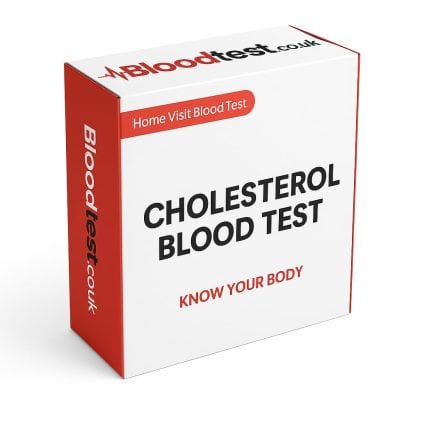
Your Comprehensive Resource for Cholesterol Blood Testing in the UK
What Is a Cholesterol Blood Test and Why Is It Vital for Your Health?
Private Cholesterol Blood Test in Cambridge: A cholesterol blood test is an essential medical examination that measures lipid levels within the bloodstream, playing a crucial role in assessing your cardiovascular risk. Within the framework of UK healthcare, this test is imperative for preventive care, enabling individuals to make informed lifestyle changes based on their results. Regular cholesterol testing is fundamental for continuous monitoring of cardiovascular health, facilitating timely interventions before serious complications arise. By understanding your cholesterol levels, you take proactive steps towards maintaining your overall well-being.

Understanding the Different Types of Cholesterol Tests Available for You
In the UK, a variety of cholesterol tests are specifically designed to assist healthcare professionals in identifying potential cardiovascular issues at an early stage. The primary types of cholesterol assessed during these tests include:
- LDL (Low-Density Lipoprotein): Known as ‘bad cholesterol’, elevated levels can lead to plaque accumulation in the arteries, thereby increasing the risk of heart disease.
- HDL (High-Density Lipoprotein): Often referred to as ‘good cholesterol’, it helps in removing LDL from the bloodstream, thus lowering the risk of heart disease.
- Total cholesterol: This figure represents the cumulative levels of LDL, HDL, and other lipid components present in the blood.
- Triglycerides: This type of fat exists in the blood; elevated triglyceride levels can also contribute to heart disease.
- Lipid profile: A comprehensive test that evaluates various lipid types in the blood, providing a holistic view of cholesterol health.
These tests are typically performed in UK clinics, offering invaluable insights that enable early intervention and proactive management of cardiovascular health. Understanding these tests can empower you to take charge of your health.
Essential Preparation Tips for Accurate Cholesterol Testing Outcomes
Before undergoing a cholesterol blood test, it is crucial to adhere to NHS guidelines, which generally recommend fasting for 9-12 hours. This fasting period is essential for achieving accurate results by minimising the influence of recent dietary intake on lipid levels. In facilities throughout Cambridge, healthcare providers strictly follow these preparation protocols to ensure reliable health assessments, ultimately enhancing patient outcomes and informing health decisions. Being well-prepared can make a significant difference in the accuracy of your results.
How to Interpret Your Cholesterol Test Results Effectively
Interpreting cholesterol test results is a vital process that necessitates careful analysis of LDL and HDL levels, comparing them against established NHS standards in the UK. Abnormal results may indicate potential heart risks, prompting recommendations for adjustments in diet, increased physical activity, or medication to effectively manage cardiovascular health. This interpretation is essential for patient education and preventive care, empowering individuals to take an active role in managing their health and making informed decisions based on their results. Understanding your results can lead to better health outcomes.
How Does a Cholesterol Blood Test Function?

A Detailed Overview of the Cholesterol Testing Procedure
The procedure for a cholesterol blood test is straightforward and well-established in the UK. A qualified phlebotomist will draw blood from a vein in the arm, a process that typically takes only a few minutes. Following collection, the sample is dispatched to a laboratory for comprehensive analysis. Most individuals can expect their results within a few days, allowing healthcare professionals to promptly discuss the findings and recommend necessary follow-up actions. This efficient process ensures that you receive timely information about your health status.
What Factors Can Influence the Accuracy of Cholesterol Tests?
Several factors can significantly affect the accuracy of cholesterol blood test results. For patients in the UK, adhering to pre-test guidance from healthcare providers is paramount. Dietary choices made in the days leading up to the test can greatly impact cholesterol levels. Consuming high-fat or high-sugar foods may yield inaccurately elevated readings. Additionally, medications, including statins and blood thinners, can influence outcomes. Therefore, it is vital for individuals to communicate openly with their GPs regarding any medications or supplements they are taking to ensure accurate test results. Transparency is key to obtaining the best outcomes.
The Importance of Timing in Cholesterol Testing for Accurate Results
Timing plays a critical role in obtaining accurate cholesterol readings in the UK. Healthcare professionals typically recommend testing in the morning after an overnight fast. This practice helps prevent postprandial lipid fluctuations, which can skew results. Health services in Cambridge advocate this approach, as it standardises results and enables precise assessments of heart health, ensuring that patients receive the most accurate evaluations possible. Being mindful of timing can significantly enhance the reliability of your test results.
Understanding Your Cholesterol Test Results
Cholesterol test results in the UK are interpreted according to established NHS guidelines, categorising levels as desirable, borderline, or high. Healthcare professionals take the time to explain the significance of HDL, LDL, and total cholesterol values to patients. For example, an HDL level exceeding 60 mg/dL is generally recognised as protective against heart disease, while an LDL level of 160 mg/dL or higher may signify an increased risk. If results reveal elevated cholesterol levels, healthcare providers often recommend lifestyle changes—such as dietary modifications or increased physical activity—and may prescribe medications if necessary to optimally manage health. Understanding these thresholds is crucial for maintaining your health.
Assessing Risks and Precautions Linked to Cholesterol Testing
Cholesterol blood tests in the UK are generally safe, involving minimal risks. However, patients might experience minor side effects, such as bruising or dizziness at the puncture site. To mitigate complications—especially for patients taking blood thinners or those with clotting disorders—it is essential for patients to disclose their complete medical history to their GP before the test. This transparency allows healthcare providers to implement necessary precautions, ensuring a safer and more effective testing experience for all individuals. Being informed can help improve your testing experience.
Insights from Experts on Cholesterol Blood Testing in Cambridge
Proactive Steps for Patients Preparing for Cholesterol Tests
Patients in Cambridge can adopt proactive measures to prepare for their cholesterol blood test, leading to more accurate and informative results. Firstly, adhering to fasting guidelines is critical; patients should refrain from eating or drinking (except for water) for 9-12 hours before the test. Moreover, maintaining a record of recent dietary habits and any medications taken can assist healthcare providers in better understanding individual circumstances. Local clinics often recommend scheduling tests early in the morning to optimise results while minimising potential discrepancies. Being prepared can ensure a smooth testing process.
Effective Strategies for Understanding Your Cholesterol Test Results
Medical professionals in the UK play a pivotal role in assisting patients comprehend the implications of high cholesterol for their health. An elevated LDL level can serve as a significant indicator of potential heart issues. Healthcare experts employ evidence-based strategies to recommend follow-up care, which may involve lifestyle changes, further testing, or referrals to specialists. Patients are encouraged to actively engage in these discussions and ask questions to thoroughly understand their health status and the implications of their results, thereby fostering a clearer insight into their cardiovascular health. Engaging with your healthcare provider is vital for better health management.
Long-Term Health Benefits Associated with Regular Cholesterol Testing
Regular cholesterol testing in Cambridge is crucial for preventing heart disease, which remains a leading cause of mortality in the UK. Studies indicate that continuous monitoring allows healthcare providers to identify temporal trends, facilitating proactive management of cholesterol levels. This vigilance can lead to timely interventions, such as dietary adjustments or increased physical activity, ultimately decreasing the risk of severe cardiovascular complications and enhancing overall health outcomes. Proactive testing can be a key component of a healthy lifestyle.
The Essential Role of Routine Cholesterol Monitoring
Experts in Cambridge underscore the importance of routine cholesterol screening to monitor lipid levels over time. Regular monitoring empowers both patients and healthcare professionals to grasp fluctuations in cholesterol levels and their implications for heart health. According to NHS guidelines, patients are advised to schedule follow-ups at least once every five years, or more frequently if they exhibit risk factors for heart disease. By identifying trends in cholesterol levels, patients can take proactive measures to manage their cardiovascular health, ultimately supporting long-term well-being.
What Are the Key Advantages of Undergoing Cholesterol Testing?
Advantages of Early Detection of Cholesterol-Related Health Issues
Regular cholesterol testing conducted in the UK provides numerous benefits, particularly in the early detection of potential health issues. By identifying elevated cholesterol levels before they lead to serious complications, healthcare providers can implement timely interventions, including lifestyle adjustments or medications. This proactive approach enhances health management, empowering patients to make necessary changes before their conditions worsen, ultimately leading to improved health outcomes. Early detection can be a lifesaver.
Is Cholesterol Testing Essential for Everyone?
Not every individual requires cholesterol testing at the same intervals. In the UK, screening is generally recommended for adults aged 40 and above, with additional consideration given to personal and family histories of heart disease, diabetes, or other risk factors. Tailored recommendations from healthcare professionals help determine the appropriate testing frequency and necessity for each individual, ensuring that those at higher risk receive the appropriate attention and care needed to maintain their cardiovascular health. Personalised care is essential for effective health management.
How Test Results Influence Lifestyle Changes for Better Health
Receiving cholesterol test results often motivates individuals in the UK to adopt healthier lifestyle habits. For many, awareness of their cholesterol levels leads to immediate actions, such as dietary changes that incorporate more fruits and vegetables while reducing saturated fats. Regular physical activity also becomes a priority to maintain optimal cholesterol levels and overall cardiovascular health. These lifestyle modifications not only improve cholesterol profiles but also enhance quality of life, resulting in sustained health benefits. Making informed choices can transform your health.
Evidence-Based Benefits of Cholesterol Blood Tests in Cambridge
Insights from UK Research on Cholesterol Testing
Research conducted in the UK indicates that regular cholesterol testing significantly reduces cardiovascular risks. Local studies reveal that individuals who undergo routine screening are more likely to receive appropriate interventions, such as lifestyle changes or medical treatments, thereby enhancing cardiovascular health outcomes. Healthcare experts advocate for staying informed through regular testing, as it empowers patients to manage their health proactively, ultimately leading to better control over cholesterol levels and cardiovascular health. Knowledge is a powerful tool for health management.
Dispelling Common Myths About Cholesterol
Misconceptions regarding cholesterol are prevalent in the UK and often contribute to misinformation about its health implications. Experts clarify that not all cholesterol is detrimental; in fact, HDL cholesterol serves a protective role against heart disease. Addressing these misunderstandings is crucial to fostering accurate knowledge and encouraging adherence to testing recommendations, thereby facilitating early identification and management of cardiovascular risk, ultimately promoting healthier communities. Correct information can lead to better health practices.
Incorporating Cholesterol Testing into Holistic Health Management Plans
Cholesterol blood tests are a fundamental component of holistic health management plans in the UK. In Cambridge, healthcare providers frequently integrate cholesterol testing with other routine evaluations, such as blood pressure checks and diabetes screenings. This comprehensive approach ensures that patients receive thorough health assessments, enabling providers to create tailored health plans that address multiple risk factors simultaneously. This integration promotes a proactive stance toward overall wellness, ultimately benefiting patient health. Comprehensive care is key to optimal health.
Accessibility of Cholesterol Testing Services in Cambridge
In Cambridge, cholesterol blood tests are highly accessible, with a range of options available through both NHS clinics and private healthcare providers. This convenience allows residents to prioritise their cardiovascular health easily. Local studies indicate that enhanced access to testing leads to earlier interventions, significantly reducing the risks associated with heart disease. Healthcare experts strongly recommend regular testing as part of routine care for all individuals, regardless of their current health status. Accessing care should be seamless for everyone.
Proven Strategies for Effective Cholesterol Management
Follow-Up Care Options After Cholesterol Testing
Once patients in the UK receive their cholesterol test results, it is essential to consult with their GP for ongoing management. This follow-up is critical to ensure that individuals obtain personalised advice on lifestyle changes or medication adjustments needed to maintain optimal cholesterol levels. Engaging with healthcare professionals after testing establishes a support system that assists patients on their journey to improved heart health and overall well-being. Continuous support can lead to better health outcomes.
Practical Dietary and Exercise Recommendations for Cholesterol Control
Implementing dietary and exercise changes post-testing is vital for effective cholesterol management. In the UK, healthcare professionals often recommend a heart-healthy diet rich in fruits, vegetables, whole grains, and lean proteins. Regular physical activity is equally important, with guidelines suggesting at least 150 minutes of moderate-intensity exercise each week. These lifestyle changes form the foundation of strategies for controlling cholesterol effectively, leading to enhanced health outcomes and improved overall well-being. Making healthy choices is essential for long-term health.
Monitoring Your Cholesterol Progress Over Time
Regular re-testing in the UK is essential for monitoring improvements in cholesterol levels. Patients who actively track their progress can make informed adjustments to their personalised health plans based on test results. This continuous approach fosters positive habits and maintains patient engagement in their health journey, significantly reducing the likelihood of cardiovascular events and supporting long-term cholesterol management. Tracking your progress is key to successful health management.
Common Questions About Cholesterol Testing Answered
What Is a Cholesterol Blood Test?
A cholesterol blood test measures the levels of cholesterol and triglycerides in your blood, aiding in the assessment of your risk for heart disease.
How Frequently Should I Undergo Testing?
Generally, adults aged 40 and older should have their cholesterol levels checked every five years, or more often as directed by a healthcare provider.
What Do the Test Results Indicate?
Test results categorise cholesterol levels as desirable, borderline, or high, and provide recommendations for lifestyle changes or medication as needed.
Is Fasting Required Before the Test?
Yes, fasting for 9-12 hours is often recommended to ensure accurate cholesterol measurements in the blood.
What Are LDL and HDL Cholesterol?
LDL is referred to as ‘bad’ cholesterol, which can contribute to heart disease, while HDL is classified as ‘good’ cholesterol, helping to eliminate LDL from the bloodstream.
What Lifestyle Modifications Can Lower Cholesterol Levels?
Adopting a heart-healthy diet, increasing physical activity, and quitting smoking can significantly lower cholesterol levels in the body.
Can Cholesterol Levels Vary?
Yes, cholesterol levels can fluctuate based on recent dietary choices, levels of physical activity, and stress.
What Are the Risks Associated with High Cholesterol?
High cholesterol raises the risk of heart disease, stroke, and other cardiovascular conditions due to plaque accumulation in the arteries.
Are Cholesterol Medications Effective?
Yes, cholesterol-lowering medications, including statins, effectively reduce LDL cholesterol levels and lower the risk of heart disease when prescribed appropriately.
How Can I Maintain Healthy Cholesterol Levels?
Maintaining healthy cholesterol levels involves regular testing, a balanced diet, regular physical activity, and adherence to medical advice.
Explore our community on Facebook!
This Article Was First Found On https://bloodtest.co.uk
The Article Cholesterol Blood Test: Your Essential Guide in Cambridge Was Found On https://limitsofstrategy.com