Your Comprehensive Guide to Pregnancy Blood Tests in Liverpool
What is the Purpose of a Pregnancy Blood Test?
Private Pregnancy Blood Test in Liverpool: A pregnancy blood test serves as a crucial diagnostic tool performed at local clinics to assess levels of human chorionic gonadotropin (hCG), a hormone that is produced during pregnancy. This test typically involves a straightforward blood draw and yields accurate results within a few days. This timely information empowers expectant mothers to make educated healthcare choices from the very beginning of their pregnancy journey. Designed for minimal discomfort, local NHS services focus on prioritising patient care and comfort. For instance, clinics like Liverpool Women’s Hospital provide this service, where trained professionals foster a supportive atmosphere, which is particularly beneficial for first-time mothers.
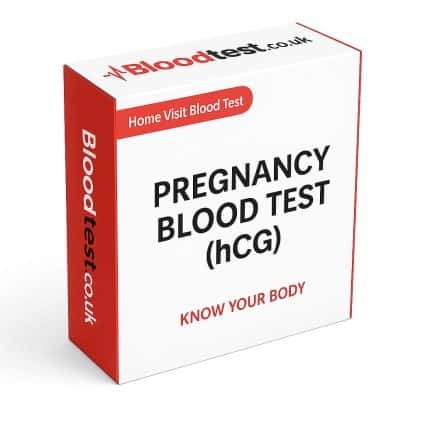

Pregnancy blood tests play a pivotal role in early detection and management of maternal health. In Liverpool, these tests not only confirm pregnancy but also significantly assist in monitoring the health of both the mother and the developing fetus. By quantitatively measuring hCG levels, healthcare providers can gather vital insights into the progression of the pregnancy, enabling timely interventions whenever necessary. This aspect is particularly important under local NHS guidelines, where prompt diagnosis is essential for achieving optimal health outcomes.
Explore the Various Types of Pregnancy Blood Tests Available in Liverpool
In Liverpool, a range of different pregnancy blood tests is available, each designed to cater to specific needs. The most prevalent types include qualitative and quantitative tests. Qualitative tests serve as initial screenings, confirming the presence of hCG in the blood, while quantitative tests measure the exact concentration of hCG, providing a more comprehensive understanding of the stage of the pregnancy. This distinction is crucial for women seeking thorough prenatal care, as it allows for personalised monitoring of their health throughout pregnancy.
Local hospitals and clinics, including Royal Liverpool University Hospital and Alder Hey Children’s Hospital, employ trained professionals to administer these tests, ensuring both reliability and accuracy. These experts undergo extensive training in phlebotomy, the practice of drawing blood, guaranteeing that patients receive the highest quality of care. Women can choose the test type that best meets their needs, with both qualitative and quantitative tests readily available and effectively managed within Liverpool’s healthcare system.
How Do You Access Pregnancy Blood Test Services in Liverpool?
Pregnancy blood tests in Liverpool can be accessed through various channels. Individuals may arrange an appointment via their General Practitioner (GP), who can refer them to local clinics or hospitals. A significant benefit is that many NHS services provide these tests, often at no cost to patients, which is particularly advantageous for expectant mothers. For those who prefer immediate access, numerous walk-in clinics across Liverpool offer pregnancy blood tests without the necessity for an appointment. These clinics are especially beneficial for women who may find it challenging to see their GP promptly.
Preparation for the test is generally straightforward. Patients may be advised to fast prior to the procedure according to clinic protocols, which typically range from 4 to 12 hours. It is essential to bring identification and any previous medical records, as this information helps healthcare providers deliver personalised care. Once the test is completed, results are commonly available within a few days, facilitating timely follow-up appointments tailored to the patient’s needs as per UK guidelines.
Essential Preparation Steps for Your Blood Test in Liverpool
Key Steps to Follow Before Your Blood Test Appointment
Preparation for a pregnancy blood test in Liverpool is vital for ensuring both accuracy and comfort. Before your appointment, it is highly advisable to consult your GP for personalised advice tailored to your specific health needs. This is particularly important if you have any pre-existing health conditions or medications that may influence the test results. Furthermore, maintaining good hydration prior to the blood draw can ease the process and enhance overall comfort. Drinking ample water leading up to the appointment can be beneficial.
Patients should also remember to bring necessary identification, such as a driving licence or NHS card, as this is often required at local health facilities. Mental preparation for the test is equally important; understanding the procedure can help alleviate anxiety. Many clinics in Liverpool provide detailed information about what to expect, helping patients feel more comfortable. This focus on preparation exemplifies Liverpool’s commitment to patient care, ensuring individuals feel supported throughout their healthcare experience.
Key Requirements for Undergoing a Pregnancy Blood Test
When preparing for a pregnancy blood test in Liverpool, it is crucial to be aware of several common requirements. Typically, a referral from a GP is necessary, especially for NHS-provided services. This referral process streamlines the testing experience, enabling clinics to better prepare for incoming patients. Blood samples are usually taken at designated centres, such as local hospitals or specialised clinics, where trained professionals oversee the procedure, minimising the risk of complications.
Patients should also be aware of expected waiting times, which can vary significantly across clinics. It is advisable to check with the facility beforehand or during appointment booking to plan your visit accordingly. Some centres may operate on a walk-in basis, while others require scheduled appointments. Understanding these logistics can substantially enhance the experience, making the process as smooth as possible within the UK healthcare system.
What Are the Potential Side Effects of a Pregnancy Blood Test?
After undergoing a pregnancy blood test in Liverpool, it is common to experience minor side effects, although serious complications are rare. The most frequently encountered issues include slight bruising at the injection site, dizziness, or a brief sensation of light-headedness. These effects are typically temporary and resolve quickly; however, healthcare providers ensure that patients receive guidance on managing any minor discomforts should they arise.
Local clinics prioritise patient safety and are prepared to offer support if any unexpected reactions occur. Patients should inform their healthcare provider of any allergies or medical conditions beforehand to help mitigate risks and ensure a safe testing environment. Understanding what to expect after the test empowers patients to navigate post-procedural challenges with confidence.
A Comprehensive Overview of the Pregnancy Blood Test Process in Liverpool
What Happens During the Blood Test Process?
The procedure for undergoing a pregnancy blood test in Liverpool is crafted to be straightforward and as comfortable as possible for patients. Initially, the healthcare professional will review the patient’s medical history and confirm details of the test being performed to ensure clarity and understanding. The next step involves accessing a vein, typically located in the arm, using a sterile needle. This procedure is relatively quick, as trained professionals utilise techniques to minimise discomfort during the blood draw.
Once the blood sample is obtained, it is placed in a labelled container and sent to the laboratory for analysis. In Liverpool, many clinics are equipped with state-of-the-art laboratory facilities, streamlining the process for timely test results. This step-by-step procedure demystifies the testing experience for first-time users, helping to alleviate anxiety and apprehension that may accompany medical testing. By ensuring patients are well informed, Liverpool’s healthcare providers create a supportive environment that prioritises patient comfort.
Why Should You Choose Blood Testing Over Other Methods?
Opting for a pregnancy blood test in Liverpool, as opposed to alternatives like urine tests, provides numerous advantages. Blood tests are widely recognised for their reliability in detecting pregnancy hormones, particularly hCG, which can be identified earlier than with urine tests. This increased sensitivity is crucial for women seeking early confirmation of pregnancy, as it allows for timely decision-making regarding prenatal care. Additionally, blood tests can quantify hCG levels, offering valuable insights into the health and progress of the pregnancy.
The healthcare standards in the UK favour blood tests due to their accuracy and ability to identify potential complications early. For example, if a woman presents with low hCG levels, further investigation can be initiated promptly to ensure appropriate medical intervention. This level of detail is not achievable with standard urine tests, which may only confirm pregnancy without providing additional health insights. Therefore, for women in Liverpool, choosing a blood test represents a proactive decision that aligns with best practices in prenatal care.
How Quickly Can You Expect to Receive Your Results?
Results from a pregnancy blood test in Liverpool are generally available within 24 to 48 hours through your healthcare provider. This rapid reporting is essential for planning follow-up care and making informed decisions about the pregnancy. Many clinics and hospitals in Liverpool have established protocols to ensure test results are communicated to patients efficiently and accurately.
- Type of test performed (qualitative vs quantitative)
- Time of day the sample was taken
- Laboratory workload and capacity
- Referral process through your GP
- Type of healthcare facility (NHS vs private)
- Potential need for additional testing based on preliminary results
Understanding these factors can help patients manage their expectations regarding turnaround times, facilitating better planning for follow-up appointments or further discussions regarding their health. Additionally, Liverpool’s local healthcare infrastructure is equipped to handle patient inquiries about results, providing reassurance as patients await their outcomes.
What Are the Risks and Side Effects Associated with the Blood Test?
In Liverpool, the risks linked to a pregnancy blood test are minimal, especially when performed by trained professionals adhering to NHS protocols. The most common side effects include bruising at the puncture site, which is typically mild, and, on rare occasions, minor infection or fainting may occur. However, healthcare providers take preventive measures to minimise these risks, such as using sterile equipment and ensuring the procedure is conducted in a clean environment.
Patients should communicate any allergies, existing medical conditions, or medications they are taking prior to the test. This transparency enables a more tailored approach, ensuring that potential complications are identified and managed adequately. By prioritising patient safety and comfort, Liverpool’s healthcare system instils confidence in expectant mothers as they navigate the testing process within UK medical practice.
Expert Insights on Pregnancy Blood Tests in Liverpool
Recent Research Findings and Their Implications
Recent research on pregnancy blood tests in Liverpool has uncovered significant insights into their role in early detection and health monitoring. Studies show that blood tests are not only effective in confirming pregnancy but also play a crucial role in identifying potential complications such as ectopic pregnancies or miscarriages. Consequently, these tests are essential elements of women’s health assessments during the early stages of pregnancy, as dictated by local healthcare standards.
Moreover, findings indicate that women who utilise blood tests to confirm early pregnancy often achieve better health outcomes due to timely medical interventions. Understanding these insights allows healthcare providers in Liverpool to emphasise the necessity of early testing and effective prenatal care. This evidence-based approach aligns with national health guidelines, ensuring that women in the region benefit from the latest advancements in maternal health research.
Significant Advantages for Maternal Health
The benefits of pregnancy blood tests in Liverpool extend beyond merely confirming pregnancy; they enhance comprehensive prenatal care and improve maternal health outcomes. These tests enable healthcare providers to monitor hormone levels and assess the overall health of both the mother and fetus. With reliable data, clinicians can tailor care plans to meet each patient’s specific needs and proactively manage potential risks before they escalate.
Additionally, the availability of blood tests enhances prenatal management within Liverpool’s healthcare system. This proactive strategy enables early identification of health issues, such as gestational diabetes or preeclampsia, which can significantly affect both maternal and fetal health if unmonitored. By prioritising these tests, local health services align their practices with evidence-based guidelines, reinforcing their commitment to improving maternal health across the region.
When Should You Consult a Specialist After a Blood Test?
There are specific scenarios in which seeking specialist advice following a pregnancy blood test in Liverpool is essential. For example, if test results show abnormally low or high hCG levels, consulting a specialist can ensure that any underlying issues are addressed promptly. This is particularly crucial in cases involving suspected ectopic pregnancy or the risk of miscarriage, where timely intervention can be life-saving for both the mother and child.
Local healthcare professionals encourage patients to remain vigilant about their health and to seek support whenever they feel uncertain about their test results or their implications for pregnancy. Liverpool’s network of specialists, including obstetricians and maternal-fetal medicine experts, offers comprehensive care tailored to each woman’s unique circumstances. This approach reflects the healthcare system’s dedication to empowering patients through informed decision-making and professional guidance.
Key Benefits of Pregnancy Blood Tests in Liverpool
How Do Blood Tests Ensure Accurate Results?
One of the primary benefits of pregnancy blood tests in Liverpool is their ability to deliver precise results regarding hormone levels, particularly hCG. Unlike home pregnancy tests, which can yield false positives or negatives due to various factors, blood tests are more reliable and can confirm pregnancy within days of conception. This level of accuracy is vital for expectant mothers, as it helps establish a clear timeline for prenatal care and monitoring.
Furthermore, blood tests can differentiate between pregnancy stages, providing essential information that assists healthcare providers in determining the appropriate next steps. This capability is particularly beneficial in Liverpool, where healthcare professionals utilise these results to design personalised care plans for each patient, enhancing health outcomes. The meticulous nature of blood tests reflects the standards upheld by local NHS facilities, which prioritise accuracy and patient well-being.
What Are the Benefits for High-Risk Pregnancies?
For high-risk pregnancies, pregnancy blood tests in Liverpool offer critical advantages by enabling early detection of potential complications. These tests allow healthcare providers to closely monitor hormone levels, identifying issues like low hCG levels that could indicate problems such as ectopic pregnancy or miscarriage. Early intervention is crucial in these cases, facilitating timely medical support and enhanced monitoring throughout the pregnancy.
Moreover, women identified as high-risk due to factors such as advanced maternal age, pre-existing health conditions, or previous pregnancy complications can benefit from tailored care plans developed from blood test results. In Liverpool, this proactive approach involves collaboration between obstetricians and specialised care teams to guarantee that expectant mothers receive thorough monitoring and support throughout their pregnancy. This level of care can significantly improve outcomes for both mother and baby, reiterating the importance of timely testing.
What Are the Long-Term Health Implications of Blood Tests?
Beyond confirming pregnancy, pregnancy blood tests in Liverpool hold long-term health implications for both mother and child. These tests can detect underlying health issues that may affect pregnancy, such as gestational diabetes or hormonal imbalances. Early identification of such conditions allows healthcare providers to develop personalised care plans that support ongoing maternal and fetal health throughout pregnancy and beyond.
Additionally, the data collected from blood tests can inform future healthcare decisions, guiding preventive measures to enhance long-term well-being. This continuity of care is integral to Liverpool’s healthcare philosophy and aligns with established UK health guidelines that emphasise early detection and intervention. By acknowledging the broader implications of blood test results, women can engage more actively in their health management, fostering a supportive environment for both maternal and child health.
Effective Strategies for Managing Pregnancy Blood Tests in Liverpool
Best Practices for Scheduling Appointments
To ensure a seamless booking experience for a pregnancy blood test in Liverpool, follow these best practices. First, utilising online portals or telephone lines for NHS services can simplify the appointment process. Many local clinics offer user-friendly websites that allow patients to schedule appointments, check availability, and receive quick confirmation.
Another effective strategy is to book appointments during less busy times, such as midweek or early mornings, when clinics typically experience lower patient volumes. This can significantly reduce waiting times, allowing patients to undergo their tests without unnecessary delays. Additionally, given the nature of the test, patients should allocate time during the appointment to discuss any concerns with healthcare providers, ensuring a thorough understanding of the process and anticipated outcomes.
How to Interpret Your Blood Test Results Effectively
Interpreting the results of a pregnancy blood test in Liverpool is a crucial step for expectant mothers and can be facilitated through effective communication with healthcare providers. Once results are available, patients are encouraged to schedule a follow-up consultation to discuss the findings comprehensively. This conversation should address the implications of both positive and negative outcomes, enabling informed decision-making on subsequent actions.
- Positive hCG results typically confirm pregnancy.
- Low hCG levels may indicate a risk of miscarriage.
- High hCG levels could suggest multiples (twins or more).
- Abnormal levels may necessitate further testing or monitoring.
- Comparative hCG levels over time can indicate pregnancy viability.
By engaging in proactive dialogue with healthcare professionals, patients can enhance their understanding of their results and make choices aligned with their health goals. This empowerment is fundamental within Liverpool’s healthcare system, which prioritises patient education and support as integral components of care.
Integrating Blood Tests with Overall Prenatal Care
Integrating pregnancy blood tests with overall prenatal care in Liverpool is vital for holistic health management. These tests should not be considered in isolation; instead, they form part of a comprehensive approach that encompasses regular check-ups, ultrasound scans, and other diagnostic evaluations. Collaborating with healthcare providers to combine these assessments ensures that all aspects of maternal and fetal health are closely monitored.
For instance, following a blood test, it may be beneficial to arrange an ultrasound to further evaluate the pregnancy and fetal development. Such integrative care aligns with NHS guidelines, emphasising the significance of thorough monitoring to identify potential health concerns early. By adopting a comprehensive approach to prenatal care, women in Liverpool can improve their pregnancy experience, ensuring they remain well-informed and supported throughout their journey.
Where to Access Reliable Testing Services in Liverpool?
What Facilities Provide These Essential Testing Services?
In Liverpool, several key facilities offer pregnancy blood tests, equipped with advanced technology and staffed by qualified professionals. Notable institutions include Liverpool Women’s Hospital, which provides comprehensive reproductive health services, and Royal Liverpool University Hospital, renowned for its commitment to maternal care. These facilities are strategically located throughout the city, ensuring easy access for residents.
Moreover, many community health centres and private clinics in Liverpool also offer these testing services, often with flexible appointment options. Familiarising oneself with these local resources can significantly enhance accessibility to high-quality care. This knowledge empowers expectant mothers to confidently seek the testing services they need.
How to Choose the Right Provider for Your Pregnancy Blood Test
When selecting a provider for a pregnancy blood test in Liverpool, consider several factors that should guide your decision-making process. Key considerations include the clinic or hospital’s reputation, the qualifications of healthcare professionals, and the availability of specialised services. Reviews and testimonials from previous patients can provide valuable insights into the quality of care offered at different facilities.
Another critical aspect is understanding expected wait times and appointment availability, as these factors can significantly affect the convenience of accessing care. Choosing a provider that aligns with your individual needs and preferences will ensure a more satisfactory experience during this crucial time. Liverpool’s healthcare landscape offers ample options, equipping women with the tools to make informed choices.
Are There Cost Considerations for Pregnancy Blood Tests?
In Liverpool, most pregnancy blood tests are provided free of charge through the NHS, making them highly accessible for expectant mothers. This represents a significant advantage, alleviating financial burdens while ensuring that all women have access to essential prenatal care. However, private options are available for those who prefer expedited service or greater privacy.
Understanding the cost implications of these private options is crucial, as fees can vary widely depending on the clinic or hospital’s location and services offered. Exploring all available avenues, including checking for subsidies or coverage, can assist with effective budgeting for testing. By being informed about the costs associated with different providers, women can make choices that best fit their financial situations.
Next Steps and Aftercare Following Your Blood Test in Liverpool
What Are the Recommended Next Steps Based on Your Results?
Following a pregnancy blood test in Liverpool, the next steps largely depend on the results obtained. For positive pregnancy test results, individuals are encouraged to schedule a follow-up appointment with their GP to discuss further actions. This may involve additional tests, ultrasounds, or referrals to specialists to ensure comprehensive care.
In cases of abnormal results, such as concerns regarding hormone levels, immediate consultation with a healthcare provider is essential. They will guide patients through the necessary steps, which may include further testing or monitoring. Establishing a clear plan based on test results is crucial for effective prenatal care and reflects Liverpool’s commitment to personalised healthcare tailored to each woman’s needs.
How to Manage Emotional Responses After Your Test
Receiving results from a pregnancy blood test can evoke a range of emotional responses, from joy and excitement to anxiety and uncertainty. Individuals in Liverpool must have resources to help them manage these feelings effectively. Local counselling services and support groups are available to assist women in processing their emotions and navigating the complexities of pregnancy.
Additionally, maintaining open communication with partners and family members can foster a supportive environment, enabling expectant mothers to share their concerns and feelings. By acknowledging the emotional aspects of pregnancy and seeking support when required, individuals can enhance their overall well-being during this significant life event.
What Are Your Follow-Up Testing Options After the Initial Test?
In Liverpool, follow-up testing may be recommended based on the initial results of a pregnancy blood test. For instance, if hCG levels are lower than expected, healthcare providers may suggest additional blood tests to monitor hormone changes over time. This continuous monitoring helps identify potential complications early, ensuring appropriate care is provided.
Furthermore, regular follow-up appointments with GPs or obstetricians are crucial for maintaining a comprehensive view of maternal and fetal health. These appointments often include blood tests, ultrasound scans, and other assessments to ensure both mother and baby are thriving. By proactively engaging with healthcare services, women in Liverpool can take charge of their pregnancy journey and secure optimal health outcomes.
Accessing Local Resources for Aftercare in Liverpool
In Liverpool, patients can utilise various local NHS and community resources for aftercare. These include dedicated helplines, support networks, and community groups that provide essential guidance and support to manage post-test needs effectively. Many hospitals and clinics provide information pamphlets or online resources outlining available support services, ensuring patients are well informed about their options.
Additionally, local maternity services in Liverpool often offer workshops and classes to assist expectant mothers throughout their pregnancy. These resources play a crucial role in fostering a sense of community among women experiencing similar challenges, empowering them to seek the support they need during this transformative time.
What Lifestyle Changes Should You Consider Post-Test?
Following a pregnancy blood test in Liverpool, adopting appropriate lifestyle changes is advisable to support both maternal and fetal health. Maintaining a balanced diet rich in essential nutrients, such as folic acid, iron, and calcium, is crucial for the healthy development of the baby. Engaging in regular physical activity under a healthcare provider’s guidance can also enhance overall well-being during pregnancy.
Moreover, staying connected with healthcare providers to address any concerns and seeking advice on lifestyle modifications can empower women to make informed choices. By prioritising health and well-being after testing, expectant mothers can create a positive environment for their pregnancy journey, reflecting the holistic approach to care that Liverpool’s healthcare services strive to deliver.
Common Questions About Pregnancy Blood Tests
What is the Primary Purpose of a Pregnancy Blood Test?
The main purpose of a pregnancy blood test is to detect the hormone hCG and confirm pregnancy. It also provides valuable insights into the progression of pregnancy and overall maternal health.
How Accurate Are Pregnancy Blood Tests Compared to Home Tests?
Pregnancy blood tests are significantly more accurate than home tests, as they can detect lower levels of hCG and provide quantitative results, minimising the risk of false positives or negatives.
How Soon After Conception Can I Take a Blood Test?
Blood tests can typically detect pregnancy as early as 6-8 days after conception, making them a reliable option for early confirmation.
What Should I Do If My Pregnancy Blood Test Result Is Negative but My Period Is Late?
If your pregnancy blood test is negative but your period is late, consult your healthcare provider to discuss potential underlying issues or re-testing options.
Can I Eat or Drink Before the Test?
It depends on the clinic’s instructions; some may require fasting for a few hours before the test. Always check with your healthcare provider beforehand.
How Long Will It Take to Get My Results?
Results from a pregnancy blood test in Liverpool are typically available within 24-48 hours, depending on the clinic and testing volume.
What Happens If My hCG Levels Are Abnormal?
Abnormal hCG levels may indicate potential issues, such as ectopic pregnancy or miscarriage, prompting further testing and follow-up with a healthcare provider for appropriate management.
Does the NHS Cover Pregnancy Blood Tests?
Yes, pregnancy blood tests are generally covered by the NHS, ensuring accessibility for all expectant mothers in Liverpool.
How Do I Choose a Clinic for My Pregnancy Blood Test?
Consider factors such as the clinic’s reputation, location, wait times, and service availability when selecting a provider for your pregnancy blood test in Liverpool.
Is There Any Risk Associated with a Pregnancy Blood Test?
The risks associated with a pregnancy blood test are minimal, typically involving minor bruising or dizziness. Serious complications are rare when the procedure is performed by trained professionals.
Visit our Facebook profile today!
This Article Was First Found On https://bloodtest.co.uk
The Article Pregnancy Blood Test: Your Essential Guide in Liverpool Was Found On https://limitsofstrategy.com