Exploring the Key Characteristics of Eco-Friendly Veterinary Clinics
What Are the Essential Features of a Green Veterinary Clinic?
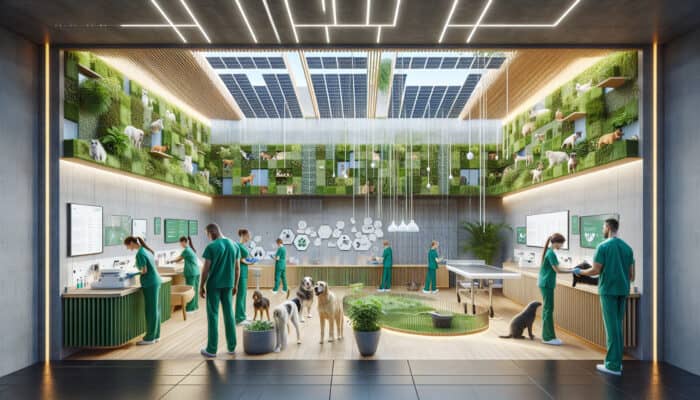
A green veterinary clinic is dedicated to implementing environmentally friendly practices that not only safeguard the health of animals but also support environmental sustainability. These clinics focus on the use of sustainable materials and actively seek to minimise waste, ensuring they provide optimal care for pets while also reducing their ecological footprint. For example, numerous clinics incorporate recycled materials into their construction projects and utilise energy-efficient lighting solutions to enhance their operations. This commitment results in a significant reduction in carbon emissions, while simultaneously improving the quality of care offered to pets.
In addition, these veterinary facilities often adopt practices that include the use of low-VOC (volatile organic compounds) paints and the installation of renewable energy sources such as solar panels to power their services. By embedding sustainability into their operational framework, these clinics promote the well-being of animals and demonstrate an unwavering commitment to environmental stewardship, positively influencing the health of all life forms within the ecosystem.
The Significance of Embracing Sustainable Veterinary Practices
Engaging in sustainable veterinary care entails the use of renewable resources and ethical methods that not only promote pet health but also significantly reduce pollution and resource consumption in daily operations. This comprehensive approach nurtures a healthier environment for animals and ensures that veterinary practices do not impose an ecological burden. By embracing eco-friendly practices, clinics can enhance their service offerings while demonstrating accountability and responsibility towards the health of our planet.
Moreover, eco-friendly veterinary clinics play a crucial role in cultivating responsible pet ownership. They actively educate pet owners about sustainable choices, which creates a ripple effect within the community. When pet owners are well-informed, they are more likely to engage in broader environmental initiatives, fostering a community dedicated to both animal welfare and ecological preservation.
Essential Features of Sustainable Veterinary Clinics
The fundamental characteristics of eco-friendly clinics encompass energy-efficient designs and the use of organic products. This strategic approach significantly reduces the carbon footprint while simultaneously enhancing the quality of pet care, resulting in better health outcomes for pets. Many green veterinary clinics implement innovative waste management systems, including composting organic waste and recycling materials, as an effective measure to further diminish their environmental impact.
- Utilisation of solar energy or wind power
- Employment of eco-friendly cleaning products
- Implementation of digital record-keeping to minimise paper waste
- Offering locally sourced and organic food options
- Active participation in community environmental initiatives
- Installation of water-efficient fixtures to reduce consumption
- Promotion of natural treatment methods to enhance pet health
Expert Advice on Choosing Eco-Friendly Veterinary Clinics for Your Pets

What Benefits Do Experts Emphasise?
Experts underscore the innovative techniques employed by green clinics that enhance pet health, showcasing evidence-based benefits that align with sustainability objectives. For example, clinics that prioritise holistic treatments can effectively address chronic health issues in pets, potentially resulting in reduced long-term healthcare expenses.
Pet owners are strongly encouraged to select clinics that emphasise preventive care, which encompasses vaccinations and wellness exams, enabling the identification of potential health concerns before they escalate into serious issues. By adopting these proactive strategies, pet owners can significantly contribute to their pets' health while supporting environmentally responsible practices.
How to Make Informed Decisions Based on Expert Recommendations
Veterinary specialists recommend assessing criteria such as certifications and practices that demonstrate eco-conscious care to achieve optimal pet health outcomes without compromising ethical standards. For instance, a clinic that holds certification from a recognised environmental organisation signifies its dedication to sustainable practices, providing reassurance to pet owners regarding its reliability.
When selecting a green veterinary clinic, pet owners should seek transparency in operations and confirm that staff members are well-versed in sustainable practices. Engaging with veterinarians who prioritise eco-friendly methods promotes informed decision-making that aligns with ethical and health standards, ultimately ensuring an enhanced experience for both pets and their owners.
What Challenges Might Arise When Implementing Green Practices?
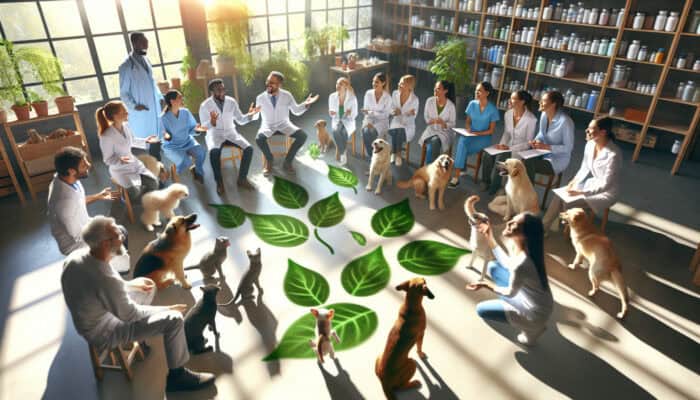
Professionals discuss the barriers to integrating green practices and offer strategies to make these choices feasible and effective within pet care routines. A prominent concern is cost; however, many green practices can lead to long-term savings by focusing on prevention and holistic health management.
Additionally, educating pet owners about the advantages of adopting green practices can help foster acceptance. Clear communication regarding how sustainable options contribute to healthier pets and lower overall costs can effectively address any hesitations pet owners may have concerning these methods.
What Case Studies Illustrate the Effectiveness of Green Clinics?
Veterinary experts present compelling real-world case studies that demonstrate how green veterinary clinics have successfully enhanced pet health through sustainable practices. For instance, a clinic that transitioned to organic pest control methods reported a notable decrease in allergies and skin issues among its canine patients, showcasing the direct benefits of eco-friendly interventions.
These positive outcomes not only improve animal welfare but also contribute to community health by reducing overall chemical usage. Such case studies serve as powerful testimonials for pet owners, illustrating the effectiveness of green veterinary practices and encouraging others to adopt similar sustainable choices.
What Emerging Trends Are Influencing the Future of Green Veterinary Care?
Experts analyse the emerging trends in eco-friendly pet healthcare, including innovative technologies and policies focused on sustainability. The increasing adoption of telemedicine in veterinary care allows clinics to reduce their carbon footprint by minimising the need for pet owners to travel for non-urgent consultations, thereby enhancing efficiency while maintaining high-quality care.
Moreover, advances in laboratory practices that reduce waste and improve diagnostic test efficiency are on the horizon, ensuring that sustainability becomes a fundamental aspect of veterinary medicine. As these trends continue to evolve, they will provide pet owners with more options that address both their health needs and environmental values.
What Are the Primary Advantages of Green Veterinary Clinics?
How Do They Enhance Pet Health?
Green clinics significantly boost pet immunity through the use of natural treatments and the maintenance of clean environments, thereby reducing disease risks and improving overall quality of life. By embracing non-toxic, holistic approaches, these clinics can greatly contribute to long-term pet wellness.
For instance, many green clinics utilise homeopathic remedies that promote natural healing, leading to healthier, more resilient immune systems in pets. This proactive health management not only addresses immediate health concerns but also fosters lifelong wellness for pets, creating a mutually beneficial relationship between pets and their owners.
What Environmental Advantages Are Offered by These Clinics?
By concentrating on recycling and adopting low-impact procedures, green veterinary clinics play a crucial role in conserving resources, providing pets with cleaner habitats and more sustainable health practices. These clinics typically engage in community initiatives to promote environmental awareness among pet owners and encourage them to adopt eco-friendly habits.
This ecological focus fosters a positive feedback loop, in which healthier communities contribute to improved pet health outcomes. Cleaner environments reduce disease risk and enhance overall well-being, reassuring pet owners that their choices not only benefit their animals but also contribute to a healthier planet.
What Economic Benefits Can Pet Owners Expect?
Choosing eco-friendly clinics can lead to long-term cost reductions by enhancing care efficiency and preventive measures. For example, regular wellness checks at green clinics can identify health issues early, potentially preventing costly treatments in the future. This preventive approach helps pet families save money while prioritising their pets' health and welfare.
Additionally, many green clinics provide wellness programmes with bundled services at discounted rates, making sustainable options more accessible and rewarding for pet owners. By aligning health practices with environmental responsibility, pet owners can realise significant cost savings while ensuring their pets receive the highest quality of care.
What Are the Core Features of Eco-Friendly Pet Care?
What Sustainable Materials Are Often Utilised?
Sustainable materials, such as biodegradable supplies, are fundamental to green veterinary clinics, enhancing pet safety and environmental protection through durable, non-toxic options designed to endure. These clinics typically source materials that aim to minimise waste and avoid harmful chemicals that could jeopardise both pets and the planet.
For instance, employing organic cotton for bedding and hypoallergenic, biodegradable cleaning products helps to ensure that both pets and the environment remain safe. By prioritising these materials, eco-friendly clinics reaffirm their commitment to sustainability and create a nurturing environment for all pets under their care.
What Innovative Technologies Are Being Integrated into Clinics?
Advanced tools, such as solar-powered equipment, enhance operational efficiency in pet treatment, enabling greener operations while upholding high standards of care. Many clinics are adopting digital technologies to improve client communication and record-keeping, thereby reducing paper waste and streamlining their overall operations.
Furthermore, the integration of technologies such as telemedicine not only improves access for pet owners but also diminishes the carbon footprint associated with travelling to appointments. By embracing these innovative solutions, green veterinary clinics can provide high-quality care while promoting environmental sustainability.
How Are Eco-Friendly Features Incorporated into Daily Pet Routines?
Eco-friendly features are seamlessly integrated into pet lifestyles, promoting habits that support both animal health and planetary well-being through simple yet effective changes. Pet owners can adopt practices such as choosing eco-friendly pet food and natural grooming products that align with the principles of green clinics.
By incorporating these sustainable choices into their daily routines, pet owners can cultivate a lifestyle that prioritises both their pets' well-being and the environment. Even minor adjustments can lead to significant positive impacts, fostering a culture of sustainability among pet owners that benefits both their animals and the planet.
What Effective Waste Management Strategies Exist for Eco-Friendly Clinics?
Successful waste management in eco-friendly pet care includes recycling pet waste and utilising biodegradable disposal methods, which help to minimise environmental pollution and support a healthier planet. Clinics often implement comprehensive waste management strategies that encourage responsible disposal of pet-related products.
This approach not only enables clinics to operate sustainably but also educates pet owners about responsible practices. For example, by providing resources on composting pet waste or recycling packaging, clinics empower pet owners to make environmentally conscious decisions that benefit their local ecosystems.
Why Is It Important to Have Certifications and Standards for Green Pet Services?
Certifications from environmental organisations validate eco-friendly practices in pet care, ensuring clinics employ verified sustainable methods and products. This builds trust among pet owners and promotes industry-wide adoption of green standards.
Holding certifications not only showcases a clinic's dedication to sustainability but also encourages other veterinary practices to adopt similar measures, contributing to global conservation efforts. As more clinics strive for such recognition, the veterinary industry as a whole moves toward a more sustainable future.
How Can Pet Owners Effectively Select a Green Veterinary Clinic?
What Key Criteria Should Be Considered?
When choosing a clinic, pet owners should assess certifications and service details to ensure alignment with green standards. It is vital for pet owners to inquire about the clinic's eco-friendly practices, staff training in sustainability, and the implementation of green solutions throughout their operations.
Additionally, researching online reviews and seeking personal recommendations from fellow pet owners can provide valuable insights into the clinic's reputation and commitment to sustainable practices. A thorough evaluation of potential clinics empowers pet owners to make informed decisions that prioritise both their pets’ health and the environment.
What Steps Can Be Taken to Evaluate Available Options?
Pet owners can review clinic policies regarding sustainability and pet health outcomes, using these factors as guiding metrics to identify the best fit for their needs. Comprehensive assessments might include verifying certifications, evaluating the materials utilised in treatments, and examining the clinic's waste management practices.
If feasible, visiting clinics in person can provide a clearer picture of their operations. Engaging with the staff about their eco-friendly initiatives further supports thoughtful choices that enhance overall animal welfare and sustainability.
What Potential Drawbacks Should Be Considered When Choosing?
While green clinics offer numerous benefits, pet owners should also consider factors such as accessibility to avoid compromising urgent pet care needs. For instance, some regions may have limited access to green veterinary services, which can pose challenges during emergencies.
It is crucial to strike a balance between eco-friendly practices and timely care. Pet owners should also be aware of potential costs associated with green services, ensuring they select options that align with both their budget and their pets' urgent health requirements.
Research-Backed Benefits of Selecting Green Veterinary Clinics for Pets
What Evidence Supports the Effectiveness of Green Practices?
Research indicates that green practices can significantly lower pet illnesses by promoting natural healing, with data highlighting their role in long-term health improvements. For instance, studies reveal that pets treated in green environments typically exhibit lower stress levels and improved recovery rates.
These findings underscore the tangible benefits of eco-friendly practices and emphasise the importance of selecting clinics that prioritise sustainability. This knowledge empowers pet owners to make informed choices based on credible evidence of effectiveness, ensuring the best possible outcomes for their beloved pets.
What Are the Long-Term Health Outcomes for Pets?
Studies suggest that sustainable veterinary care leads to greater pet resilience and fewer medical issues, supported by empirical evidence linking environmental factors to health outcomes. This correlation is vital, as it emphasises the long-term advantages of adopting green practices in veterinary care.
By fostering healthier environments and offering natural treatment options, green clinics can significantly enhance the quality of life for pets. This holistic approach provides immediate benefits while also supporting long-term health and happiness for pets throughout their lives.
What Strategies Recommended by Experts Should Be Implemented?
Based on extensive research, professionals advocate for specific green practices to optimise pet care and offer reliable ways to integrate them into everyday routines. For instance, adopting organic food options and maintaining consistent preventive care can significantly impact pet health.
Moreover, encouraging the use of pet-safe indoor plants can improve air quality and create a healthier living environment. By following these expert-recommended strategies, pet owners can seamlessly incorporate eco-friendly practices into their daily lives, enhancing outcomes for their pets while supporting environmental sustainability.
Why Are Sustainable Practices Crucial for Pets?
How Do They Influence Animal Health and Well-Being?
Implementing sustainable practices in veterinary clinics fosters healthier environments for pets, reducing their exposure to toxins and supporting natural behaviours that enhance their daily lives. The adoption of eco-friendly materials and methods guarantees that pets are cared for in spaces prioritising their health and comfort.
This emphasis on pet well-being translates into improved mental and physical health, as pets feel more relaxed and secure in their surroundings. Sustainable practices not only benefit individual animals but also contribute to a broader understanding of responsible and ethical care within the veterinary community.
What Role Do Sustainable Practices Play in Preventing Pet Diseases?
By emphasising eco-friendly methods, these clinics effectively mitigate common pet ailments through cleaner practices and preventive care. Reducing harmful chemicals and pollutants in traditional veterinary environments significantly decreases health risks for pets.
Additionally, a focus on nutrition and holistic treatment strategies helps bolster pets' immune systems. By guiding pet owners on proper care and preventive measures, green clinics can play a pivotal role in nurturing healthier pets and preventing chronic diseases.
What Long-Term Effects Can Be Expected from Sustainable Practices?
Over time, sustainable veterinary choices can help pets enjoy longer, healthier lives by reducing environmental harm and promoting holistic wellness. As more pet owners embrace these practices, a noticeable shift towards a healthier pet population can be anticipated, thriving in clean, supportive environments.
Furthermore, as veterinary practices continue to evolve, the emphasis on sustainability will not only enhance pet health but also positively impact the environment, creating a balanced approach to animal care that benefits all stakeholders involved.
Practical Tips for Sustaining Pet Health in an Eco-Friendly Manner
What Daily Habits Can Eco-Conscious Pet Owners Adopt?
Pet owners can establish routines that incorporate organic foods and waste recycling to support the principles of green veterinary care, making everyday pet care more sustainable. By opting for eco-friendly grooming products and pet supplies, they not only contribute to a healthier planet but also ensure their pets receive optimal care.
Integrating these sustainable habits into daily life fosters a sense of community among eco-conscious pet owners, encouraging them to share ideas and practices that promote both pet health and environmental stewardship, ultimately creating a collective impact.
Why Are Routine Check-Ups Vital for Pets?
Regular visits to green clinics ensure pets receive preventive care that aligns with environmental objectives. These check-ups facilitate the early detection of health issues, enabling timely interventions that can prevent serious complications.
By establishing a consistent health routine, pet owners can cultivate a proactive approach to pet wellness that benefits their pets and supports sustainability in veterinary care.
What Common Tools Are Useful for Home Pet Care?
Utilising items like reusable pet products helps maintain sustainability, allowing owners to extend the benefits of clinic care at home for ongoing pet wellness. Essential items may include eco-friendly grooming tools, biodegradable waste bags, and organic pet care products that contribute to overall health.
- Biodegradable waste bags
- Reusable food and water bowls
- Natural grooming brushes
- Eco-friendly pet shampoos
- Organic pet food options
- Non-toxic cleaning supplies
- Home composting systems for pet waste
How Can Green Practices Be Incorporated into Pet Grooming Routines?
Embracing eco-friendly grooming practices, such as using biodegradable shampoos and water-saving techniques, helps maintain pet hygiene while minimising environmental impact. Pet owners can also repurpose old towels and select natural brushes, promoting sustainability in daily routines while reducing overall waste.
These practices ensure that grooming sessions positively contribute to environmental health while maintaining pets' cleanliness and appearance. By adopting these green grooming practices, pet owners can enhance their pets' health and well-being while demonstrating environmental responsibility.
What Community Resources Are Available for Sustainable Pet Care?
Connecting with local eco-groups and engaging in online forums allows pet owners to exchange tips on sustainable health practices, including community recycling programmes for pet supplies. This involvement fosters a network for sharing ideas on green alternatives, enhancing pet wellness through collaborative efforts and resource sharing.
By participating in community initiatives, pet owners can discover innovative strategies to maintain pet health and foster eco-conscious practices sustainably, strengthening the movement towards responsible pet care and environmental stewardship, ultimately benefiting the community.
What Are the Emerging Trends in Eco-Friendly Veterinary Care?
What Innovations Are Currently Influencing the Field?
Emerging technologies, such as bio-based medicines, are transforming the landscape of green veterinary care, promising improved outcomes for pets through advanced, eco-focused solutions. Innovations in telemedicine and mobile clinics are also expanding access to care while reducing carbon footprints associated with traditional veterinary visits.
As these technologies continue to develop, they will enhance veterinary professionals' capacity to provide effective, sustainable care tailored to the unique needs of individual pets, ensuring that both health and environmental responsibility are prioritised in practice.
What Challenges Could Potentially Arise with These Trends?
As trends evolve, potential challenges such as rising costs could impact accessibility, necessitating adaptations to ensure green options remain viable for pet health. Pet owners may find it difficult to locate affordable, sustainable care, particularly in underserved regions.
Veterinary practices must actively address these challenges by forming partnerships that enable them to offer eco-friendly services at competitive prices. Ensuring accessibility will be crucial as green veterinary care becomes more mainstream and widely adopted.
How Will Veterinary Practices Evolve in the Future?
Future advancements are likely to incorporate more artificial intelligence and natural resources, enhancing sustainable vet care and ensuring continued benefits for pets globally. The integration of AI in diagnostics and treatment will optimise operations and improve health outcomes for pets.
These developments highlight the necessity of ongoing education and training for veterinary professionals in sustainable practices, ensuring they are well-prepared to deliver the highest standard of care for pets while maintaining environmental integrity.
What Role Will Global Collaboration Play in Advancing Green Veterinary Practices?
As the movement for green veterinary care gains momentum internationally, collaborations among nations and organisations will accelerate innovation, facilitating the sharing of best practices and resources to standardise sustainable methods. This collective effort will not only enhance animal health but also significantly contribute to the overall well-being of the environment.
By working collaboratively, veterinary professionals can develop strategies that benefit pets worldwide, creating a shared vision of eco-friendly practices that prioritise both animal welfare and ecological sustainability.
How Can Veterinary Professionals Prepare for Future Trends?
Veterinary education must adapt to encompass comprehensive training in green practices, equipping future professionals with the knowledge necessary to implement eco-friendly solutions effectively. Such educational initiatives will nurture a new generation of veterinarians dedicated to sustainability and improved pet care outcomes.
By emphasising sustainable practices within veterinary training programmes, the industry can ensure that future veterinarians are not only proficient in traditional care methods but also champions of eco-friendly principles. This holistic approach to veterinary education will ultimately benefit pets and the environment for generations to come.
Frequently Asked Questions
What defines a green veterinary clinic?
A green veterinary clinic prioritises eco-friendly practices, employing sustainable materials and methods to deliver optimal care for pets while minimising their environmental impact.
How do green veterinary clinics enhance pet health?
Green veterinary clinics boost pet immunity by utilising natural treatments and maintaining cleaner environments, which reduces disease risk and improves the overall quality of life for pets.
What materials are commonly used in eco-friendly pet care?
Eco-friendly clinics frequently employ biodegradable supplies, non-toxic cleaning products, and organic materials, prioritising both pet safety and environmental protection.
How can pet owners locate a green veterinary clinic?
Pet owners should assess clinics based on certifications, sustainability practices, and client feedback to ensure alignment with green standards.
What economic advantages come from choosing a green veterinary clinic?
Green veterinary clinics can lower long-term costs through preventive care and holistic treatment options, making sustainable care both accessible and cost-effective for pet families.
What significance do certifications hold in green veterinary clinics?
Certifications from environmental organisations validate a clinic's commitment to sustainable practices, fostering trust with pet owners and promoting industry-wide adoption of eco-friendly methods.
How does sustainable veterinary care impact the environment?
Sustainable veterinary care reduces pollution and conserves resources, contributing to healthier ecosystems and improving health outcomes for pets and their surroundings.
What daily habits can eco-conscious pet owners adopt?
Pet owners can embrace habits such as using organic pet food, recycling waste, and selecting eco-friendly grooming products to support sustainable practices in their daily routines.
What challenges do green veterinary clinics encounter?
Green veterinary clinics may face challenges, including higher initial costs, limited availability in certain regions, and barriers to educating clients about sustainable practices.
How can community resources aid in sustainable pet care?
Engaging with local eco-groups and online forums enables pet owners to share sustainability tips, participate in community initiatives, and build a supportive network for responsible pet care.
Connect with us on Facebook!
The Article Green Vet Clinic Choices For Pets: Top Sustainable Picks First Published On https://elgatoencasa.com
The Article Sustainable Pet Care: Best Green Vet Clinic Options Was Found On https://limitsofstrategy.com