Unpacking the Essential Features of Vineyards
What Role Do Vineyards Play in the Art of Wine Production?
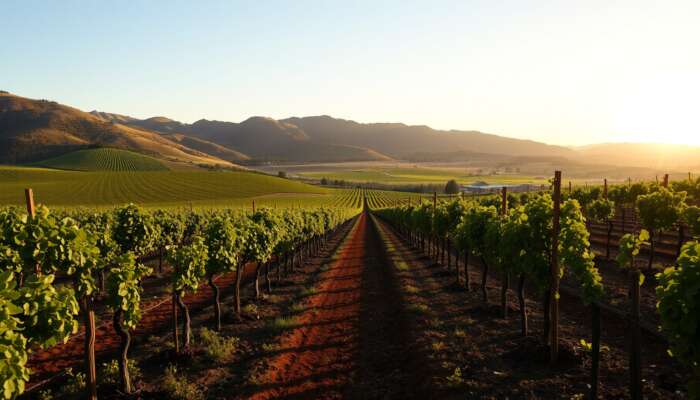
Vineyards represent dedicated agricultural landscapes specifically cultivated for wine production. The establishment and ongoing maintenance of these vineyards require meticulous practices, including comprehensive soil preparation, strategic planting methodologies, and effective harvesting techniques, which are vital for achieving high-quality yields. For example, vineyards in prestigious regions like Napa Valley employ innovative practices such as cover cropping and vertical shoot positioning to optimise grape growth, ultimately resulting in wines celebrated worldwide.
Understanding the essence of a vineyard encompasses much more than just the physical land; it also reflects the intricate relationship between environmental factors and agricultural practices. Successful vineyards harness unique terroirs—a combination of soil composition, climate conditions, and topographical features—to cultivate grapes that yield distinct and compelling flavour profiles in their wines.
- Vineyards are vital for ensuring wine quality.
- Terroir plays a significant role in influencing grape flavour.
- Quality agricultural practices enhance grape growth.
What Are the Key Elements of Establishing a Vineyard?
Establishing a vineyard necessitates extensive planning, with a focus on key components such as terrain characteristics and irrigation systems. An ideal vineyard location boasts well-drained soils, a favourable climate, and abundant sunlight exposure, all contributing to a microclimate that supports grape cultivation. For instance, vineyards in Bordeaux are strategically positioned on slopes, optimising drainage and air circulation while preventing diseases that could compromise grape quality.
Furthermore, the implementation of efficient irrigation techniques, especially drip irrigation, significantly impacts vineyard sustainability. Growers increasingly utilise advanced technologies to manage water usage precisely, thereby creating an environment conducive to optimal fruit development while ensuring the vineyard's long-term viability.
- Well-drained soils are essential for enhancing grape health.
- Climate and sunlight are critical for successful growth.
- Drip irrigation contributes to improved sustainability.
Examining the Benefits of Vineyard Layouts
How Does Vineyard Layout Influence Overall Productivity?
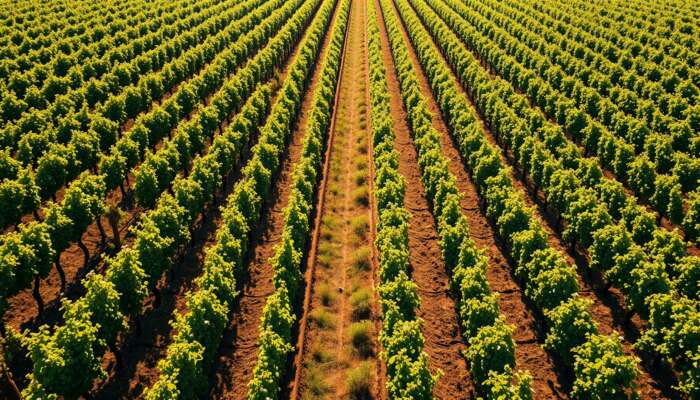
A well-conceived vineyard layout is crucial for enhancing overall productivity. The effective organisation of rows and thoughtful spacing of grapevines allows for sufficient sunlight exposure and airflow, both of which are vital for cultivating healthier plants and achieving superior harvests. Numerous successful vineyards adopt techniques such as vertical shoot positioning to maximise light capture, leading to increased yields and improved grape quality.
In addition to boosting productivity, strategic layout planning also aids in pest management and disease control. A well-planned vineyard layout facilitates efficient movement throughout the vineyard for various maintenance activities. Furthermore, the use of cover crops offers numerous benefits, including erosion control and improved soil health, thereby enhancing the sustainability of vineyard operations.
| Layout Technique | Benefits |
|---|---|
| Vertical Shoot Positioning | Maximises light capture and enhances yields. |
| Row Organisation | Improves airflow and aids in pest management. |
What Are the Optimal Practices for Vineyard Management?
What Advanced Techniques Can Significantly Elevate Vineyard Quality?
Experts in the industry emphasise the significance of precise pruning and vigilant monitoring throughout the growing season as critical strategies for enhancing grape quality. Techniques such as canopy management ensure that grapevines receive adequate sunlight while promoting airflow, effectively reducing the risk of fungal diseases. Regular inspections enable growers to assess vine health and make necessary adjustments to their practices.
Moreover, the integration of technology, such as vineyard management software, streamlines the tracking of vine growth and yield predictions. By analysing the collected data, vineyard managers can make informed decisions regarding resource allocation and necessary interventions, ultimately leading to improved grape quality during the harvest period.
- Effective canopy management diminishes disease risk.
- Data-driven analysis supports strategic decision-making.
- Routine inspections enhance overall grape quality.
What Evidence-Based Soil Strategies Are Essential for Vineyards?
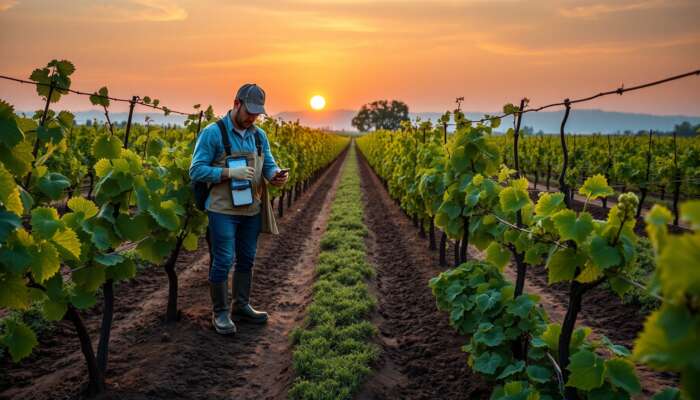
Conducting thorough soil analysis is fundamental for achieving vineyard success, with experts stressing the importance of maintaining a balanced nutrient profile. Regular soil testing enables vineyard managers to identify nutrient deficiencies and adjust fertilisation techniques accordingly. Maintaining optimal pH levels, typically between 6.0 and 7.0, is crucial for enhancing nutrient uptake in grapevines, directly influencing their growth and grape quality.
The use of organic amendments, such as compost and cover crops, significantly improves soil structure and promotes microbial health. Additionally, employing crop rotation strategies can enhance soil fertility over time, contributing to the long-term productivity of the vineyard.
| Nutrient | Importance |
|---|---|
| Nitrogen | Crucial for vine growth and leaf development. |
| Phosphorus | Supports root development and fruit formation. |
| Potassium | Enhances grape quality and disease resistance. |
How Are Sustainable Practices Integrated into Vineyards?
What Eco-Friendly Techniques Do Vineyards Implement for Sustainability?
As environmental concerns continue to mount, experts advocate for the adoption of eco-friendly practices within vineyards that leverage natural pest control methods and organic farming techniques. The implementation of integrated pest management (IPM) minimises reliance on chemical inputs while ensuring healthy crops. For instance, attracting beneficial insects such as ladybugs can naturally help control pest populations.
Sustainable practices within vineyards also encompass water conservation techniques, including rainwater harvesting and efficient irrigation systems. Successful sustainable vineyards, particularly those in Tuscany, exemplify the advantages of these methods, resulting in high-quality grapes while preserving the surrounding ecosystem.
- Natural pest control methods reduce chemical dependency.
- Water conservation techniques enhance vineyard sustainability.
- Eco-friendly practices lead to improved grape quality.
How Do Innovative Irrigation Methods Enhance Vineyard Management?
Innovative irrigation methods are crucial for effective vineyard management, particularly in regions experiencing climate variability. Experts recommend advanced techniques such as precision drip irrigation systems to maintain optimal soil moisture levels. This approach effectively prevents water stress and significantly enhances grape quality. Additionally, incorporating sensors and automated control systems improves irrigation efficiency, enabling precise water application based on real-time soil data.
Practices like deficit irrigation, where water supply is intentionally limited during specific growth phases, encourage deeper root growth. This method not only enhances the vines' resilience against drought conditions but also conserves water resources while producing grapes with more concentrated flavours.
- Precision irrigation systems prevent water stress.
- Deficit irrigation fosters deep root growth.
- Automated controls enhance irrigation efficiency.
What Factors Have a Significant Impact on Vineyard Growth?
How Do Climatic Conditions Affect Vineyards?
Vineyards flourish based on a multitude of factors, including climatic conditions, soil health, and management practices that foster vigorous vine growth. Understanding these elements is crucial for achieving consistent production and superior grape quality. Regions characterised by well-distributed rainfall and moderate temperatures are typically better suited for yielding high-quality grapes, which are essential for producing exceptional wines.
Furthermore, vineyard management practices such as careful pruning and effective nutrient management significantly influence vine health. By adopting integrated approaches that consider these factors, vineyard managers can create optimal conditions for grape growth, leading to consistent yields year after year.
- Climatic conditions have a direct impact on grape quality.
- Soil health is essential for promoting vine growth.
- Effective management practices optimise production.
What Importance Does Water Management Hold in Vineyards?
Effective water management is critical for maintaining vineyard health and involves techniques designed to prevent both overwatering and drought stress. Carefully calculated irrigation systems ensure that vines receive adequate moisture without risking root rot or other water-related issues. Utilising soil moisture sensors allows growers to closely monitor soil conditions and adjust their irrigation practices accordingly.
Additionally, implementing water management strategies such as mulching helps retain soil moisture and reduce evaporation. By adopting these techniques, vineyard managers can enhance grape quality while contributing to the sustainability of vineyard operations, making effective water management crucial for the long-term health of the vineyard.
- Soil moisture sensors improve irrigation practices.
- Mulching helps retain moisture and minimises evaporation.
- Effective water management enhances overall sustainability.
What Economic and Health Benefits Are Associated with Vineyards?
How Do Vineyard Products Contribute to Health and Well-Being?
Products derived from vineyards, particularly wines, offer numerous health benefits attributed to their high levels of antioxidants. Research suggests that moderate wine consumption can improve cardiovascular health and promote longevity. The presence of polyphenols, which are abundant in red wines, contributes to these positive health effects, making vineyard products not only enjoyable but also beneficial for overall well-being.
The ritual of wine tasting and appreciation fosters social connections and enhances mental well-being, highlighting the broader health implications associated with products from vineyards.
- Wine is rich in beneficial antioxidants.
- Moderate consumption supports heart health.
- Wine tasting promotes social interactions.
What Economic Contributions Do Vineyards Make to Local Communities?
Vineyards play a significant role in bolstering local economies through job creation and tourism. Studies indicate that vineyards generate substantial economic income, not only from wine sales but also through visitor experiences like tours and tastings. Regions home to renowned vineyards often experience an influx of tourists, further stimulating local economies.
Moreover, the establishment of vineyards can stabilise local markets, providing reliable employment opportunities and fostering community development. This economic contribution underscores the importance of vineyards in nurturing both agricultural and socio-economic prosperity.
- Vineyards create valuable local job opportunities.
- Tourism boosts economic growth within communities.
- Vineyards help stabilise local markets.
How Do Vineyards Contribute to Environmental Health and Sustainability?
Well-managed vineyards are instrumental in promoting environmental health and enhancing biodiversity. By adopting sustainable practices such as reducing chemical inputs and implementing organic farming methods, vineyards positively impact soil health and ecosystem preservation. Additionally, vineyards play a role in mitigating soil erosion, improving water retention, and supporting various wildlife species, making them invaluable assets in promoting biodiversity.
Furthermore, incorporating cover crops and organic matter into vineyard management enhances soil structure, fostering a sustainable agricultural model that benefits the environment while ensuring the long-term viability of grape production.
- Sustainable practices improve soil health.
- Vineyards support local biodiversity.
- Cover crops enhance vineyard resilience.
What Are the Essential Practices for Successful Vineyards?
How to Harvest Grapes for Optimal Quality and Flavor?
Harvesting grapes at the appropriate time is critical for preserving quality and maximising flavour. Techniques that minimise damage during the harvest process are essential for maintaining the integrity of the grapes. To effectively harvest grapes, consider the following timing tips:
- Harvest early in the morning or late in the evening to avoid heat stress.
- Monitor sugar levels to determine optimal ripeness.
- Inspect grapes for colour and firmness to assess readiness.
- Utilise sharp tools to minimise damage to the vines.
Implementing these best practices ensures the delivery of high-quality grapes and supports the vineyard’s health in subsequent growing seasons.
What Pruning Techniques Should Be Utilised in Vineyards for Improved Growth?
Pruning is a fundamental practice for shaping grapevines to optimise fruit production. Employing the appropriate tools and timing is essential for encouraging growth without excessive cutting. Techniques such as cane and spur pruning effectively control vine shape and enhance air circulation around the fruit, significantly reducing the risks of diseases.
Regularly scheduled pruning promotes healthy bud development and improves sunlight penetration, which is crucial for ripening grapes. Effectively implementing these methods can lead to increased yields and improved grape quality, underscoring the importance of well-planned pruning in vineyard management.
- Pruning shapes vines for enhanced production.
- Improved air circulation reduces disease risks.
- Sunlight penetration is vital for optimal ripening.
How to Prevent Diseases in Vineyards Through Effective Monitoring?
Monitoring for diseases is crucial in vineyard management to ensure healthy crops. Implementing practices such as regular inspections and utilising disease-resistant grape varieties can effectively reduce the incidence of vineyard diseases. Early detection allows for timely intervention before diseases can spread.
Additionally, employing integrated pest management (IPM) strategies fosters a balanced ecosystem within the vineyard, minimising vulnerabilities to diseases. By adopting a proactive approach to disease prevention, vineyard managers can ensure the long-term health and productivity of their crops.
- Regular inspections facilitate early disease detection.
- Disease-resistant varieties help reduce incidence.
- IPM strategies promote ecological balance.
What Innovations Are Influencing Vineyard Varieties and Practices?
Why Is It Important to Select Diverse Grape Types for Winemaking?
Choosing a variety of grape types is essential for creating a wide selection of wines, as each grape variety offers distinct flavour profiles and adaptability to varying climatic conditions. For example, varietals such as Chardonnay thrive in cooler climates, while Zinfandel flourishes in warmer regions. This diversity allows winemakers to produce a broad range of wines that cater to varying consumer preferences.
Moreover, selecting grape varieties that are well-suited to local conditions enhances the vineyard’s resilience and overall production quality. Understanding the specific needs of each grape type enables vineyard managers to make informed decisions that optimise both yield and flavour.
- Diverse grape varieties enrich wine selection.
- Climate adaptability increases vineyard resilience.
- Informed decisions optimise both yield and flavour.
What Blending Techniques Are Employed in Vineyards to Create Unique Wines?
Blending different grapes is a common technique used to create unique wines, enhancing flavour complexity and overall quality. Winemakers often experiment with varying ratios to achieve a balanced product that showcases the best characteristics of each grape type. For instance, blending Merlot with Cabernet Sauvignon produces a wine that features rich fruit flavours and structured tannins.
This art of blending allows for creative expression and adaptability to variations in grape quality caused by environmental factors. By mastering blending techniques, vineyards consistently produce high-quality wines year after year, meeting consumer expectations.
- Blending enhances flavour complexity.
- Creative expression is a fundamental aspect of winemaking.
- Consistency is achieved through expert blending techniques.
What Innovations Are Transforming Vineyard Practices and Enhancing Resilience?
Innovations in vineyard practices, particularly advancements in breeding methods, have led to the development of grape varieties that exhibit improved resilience and quality. Progress in genetic selection focuses on traits such as disease resistance and adaptability to climate change, resulting in grape varieties that perform exceptionally well under diverse conditions.
These innovations are vital for maintaining vineyard productivity in the face of evolving environmental challenges, ensuring that vineyards continue to thrive while producing high-quality grapes. By embracing advancements in vineyard management, operators enhance both the sustainability and profitability of their operations.
- Innovative breeding methods enhance grape resilience.
- Genetic selection prioritises adaptability.
- Innovations support long-term vineyard productivity.
How Does Climate Impact the Success of Grape Varieties?
Climate plays a significant role in determining the success of various grape varieties within vineyards. Factors such as temperature, rainfall patterns, and sunlight exposure directly influence the growth, ripening, and flavour development of grapes. Warmer regions tend to favour heat-tolerant grape varieties like Cabernet Sauvignon, while cooler climates are more suitable for varieties such as Pinot Noir.
Winemakers adeptly adapt by selecting or breeding grape varieties that are resilient to local weather conditions, thereby enhancing both vineyard sustainability and wine diversity. A comprehensive understanding of the interplay between climate and grape growth enables vineyard managers to optimise both production and quality.
- Climate directly impacts the success of grape varieties.
- Resilient grape varieties enhance vineyard sustainability.
- Understanding climate dynamics helps optimise production.
Why Choose Sustainable Practices in Vineyards?
How Does Sustainability Enhance Vineyard Operations and Output?
Implementing sustainable practices in vineyards is essential for minimising resource consumption and protecting the environment, thereby ensuring long-term viability and healthier products. By reducing chemical inputs and promoting biodiversity, sustainable vineyards create a positive impact on the ecosystems in which they operate.
Sustainable methods not only improve soil health but also enhance grape quality, resulting in more robust and flavourful wines. This holistic approach positions vineyards to thrive in an increasingly eco-conscious market, supporting responsible agricultural practices.
- Sustainability practices minimise resource consumption.
- Healthier products result from sustainable vineyard operations.
- Eco-conscious markets favour sustainable vineyards and their offerings.
What Ethical Considerations Are Involved in Responsible Vineyard Operations?
Emphasising ethical practices within vineyard operations fosters responsibility and community well-being. By prioritising fair labour practices and environmentally friendly methods, vineyards not only support their workers but also contribute positively to surrounding communities.
These ethical considerations play a crucial role in enhancing local economies and fostering a sense of community and shared purpose among vineyard stakeholders. Through responsible actions, vineyards can cultivate a sustainable future for both their operations and the communities they serve.
- Ethical practices enhance community well-being.
- Fair labour policies support vineyard workers.
- Environmentally friendly methods benefit local ecosystems.
The Article: Vineyards of San Miguel de Allende: Mastering Winemaking appeared first on https://fallinginlovewithsanmiguel.com/
The Article Winemaking Mastery at San Miguel de Allende Vineyards Was Found On https://limitsofstrategy.com