Your Comprehensive Guide to Dairy Intolerance Testing
What Are the Essential Elements of a Dairy Intolerance Test?
Private Dairy Intolerance Test in Wolverhampton: Dairy intolerance tests are crucial diagnostic tools offered at various clinics throughout the United Kingdom. These tests are specifically crafted to detect adverse reactions to dairy products. Typically, these assessments involve blood samples or skin prick tests, offering individuals vital insights into their body’s response to lactose and other dairy components. In Wolverhampton, both the NHS and private healthcare providers deliver these tests, ensuring that local residents can access essential health evaluations without enduring lengthy wait times, thus allowing for timely interventions regarding dietary intolerances.
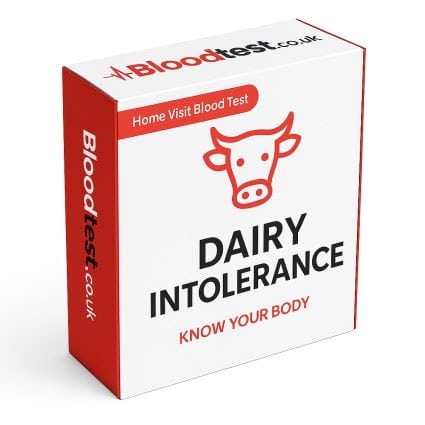

Recognising dairy intolerance is critical for enhancing health and wellbeing. Many individuals experience discomfort after consuming dairy products but may not associate their symptoms directly with dairy intake. By utilising testing services, individuals can make informed dietary choices, ultimately leading to improved overall health. Local healthcare facilities offer the expertise and resources needed to help individuals understand their intolerance levels and provide guidance on suitable dietary adjustments to support a healthier lifestyle.
Identifying Common Symptoms of Dairy Intolerance in the UK
In the UK, people suffering from dairy intolerance commonly report a range of symptoms that can significantly disrupt their daily lives. Typical indications include bloating, gas, diarrhoea, and abdominal pain, all of which are frequently noted in British health surveys. These symptoms often arise shortly after dairy consumption, resulting in discomfort and leading individuals to modify their lifestyles in an effort to alleviate these issues.
Early detection of dairy intolerance symptoms is paramount, especially for residents of Wolverhampton, where access to testing facilities can greatly aid in managing symptoms effectively. Prompt recognition of these signs enables individuals to seek the necessary testing and professional guidance from local healthcare providers. The sooner one identifies and addresses their dairy intolerance, the more effectively they can adapt their dietary habits, ultimately enhancing their quality of life.
Exploring Local Dairy Intolerance Testing Options
Wolverhampton boasts a range of testing options for dairy intolerance, tailored to meet the diverse needs of its residents. Here are some prominent methods available locally:
- Blood tests: These tests evaluate lactose intolerance levels by analysing specific antibodies.
- Skin prick tests: These tests detect allergic reactions to dairy proteins through skin exposure.
- Elimination diets: This guided approach involves removing dairy from the diet and then gradually reintroducing it.
- Hydrogen breath tests: These tests measure hydrogen levels in breath after lactose consumption to assess lactose intolerance.
- Genetic tests: These tests investigate genetic predispositions to lactose intolerance.
These customised approaches ensure that individuals gain relevant insights into their health conditions, empowering them to make informed decisions about their dairy consumption. Consulting local healthcare providers will aid in identifying the most appropriate testing method based on individual symptoms and lifestyle considerations.
How Can You Access Dairy Intolerance Testing Services in the UK?
Finding Local Clinics for Testing
Residents of Wolverhampton have multiple options for accessing dairy intolerance testing services. Local clinics, which include both NHS facilities and private healthcare providers, are strategically located to ensure easy access for all. Notable NHS clinics in the area offer essential services, often with shorter waiting times compared to larger hospital networks, improving accessibility for patients in need of timely diagnoses.
In addition, numerous private clinics provide flexible appointment scheduling, which can be especially advantageous for individuals with busy lifestyles. Many of these private clinics receive high ratings, establishing themselves as reputable choices for residents seeking prompt testing. Online directories are also available to assist individuals in finding the nearest clinic, ensuring that healthcare needs are met swiftly and efficiently.
Understanding the Costs of Testing and NHS Options
When considering the financial aspects of dairy intolerance testing in the UK, residents of Wolverhampton can explore a variety of options. For individuals opting for NHS services, subsidised rates are generally available, significantly lowering testing costs. Many individuals qualify for free or low-cost testing through their general practitioner (GP), provided they meet specific criteria related to symptoms and medical history, making it more accessible to a wider audience.
Private testing options are also available, with prices varying depending on the type of test and facility chosen. While these private services may incur a higher cost, they often deliver quicker results and more personalised care. Families in Wolverhampton should compare local services, weighing both NHS and private healthcare options to identify the most suitable and cost-effective solution for their testing needs.
What Are the Steps to Book Your Appointment?
Booking an appointment for a dairy intolerance test in Wolverhampton is straightforward and can significantly reduce wait times. Many local healthcare providers offer user-friendly online platforms that enable residents to conveniently schedule appointments. These systems typically provide comprehensive information regarding testing options, preparation requirements, and potential costs associated with the tests.
For those who prefer traditional booking methods, telephone lines are also available. Speaking directly with clinic staff can yield immediate answers to inquiries regarding the testing process, ensuring clarity and confidence. Having all necessary information ready during the booking process can help create a smooth appointment experience, allowing individuals to focus on their health concerns without unnecessary complications.
Preparing Effectively for Your Dairy Intolerance Test
Implementing Dietary Adjustments Before Testing
Preparing for a dairy intolerance test necessitates individuals to make specific dietary changes in the days leading up to their appointment. It is generally advisable to refrain from consuming dairy products for at least 48 hours prior to testing. This includes common items like milk, cheese, butter, and yoghurt, as consuming these products may compromise the accuracy of the test results, potentially leading to misleading findings.
In Wolverhampton, individuals should consult their healthcare providers regarding any additional dietary restrictions that may apply. By eliminating dairy products during this preparation period, individuals ensure that the test results accurately reflect their intolerance levels. Adhering to these guidelines is essential, as doing so can lead to more definitive and actionable insights once testing is complete, paving the way for effective dietary changes.
Which Documents Should You Prepare for Your Appointment?
When preparing for a dairy intolerance test, it is crucial to bring specific documentation to facilitate a thorough assessment by healthcare professionals. Have your medical history form from your GP ready, detailing any prior health issues, dietary habits, and symptom history. This information is key in assisting practitioners to understand the context of your symptoms and deliver targeted care.
Moreover, having referral letters or previous test results readily available can contribute to providing a comprehensive view of your health status. Being well-prepared not only streamlines the appointment process but also ensures that healthcare providers have all necessary information to deliver optimal care. Residents of Wolverhampton should keep these documents organised in an easily accessible folder to avoid last-minute stress on the day of their test.
What Post-Test Reactions Should You Be Aware Of?
After undergoing a dairy intolerance test, individuals may experience a range of mild side effects. Depending on the specific type of test conducted, some individuals may encounter symptoms such as bloating or mild stomach discomfort. These reactions are typically temporary and should subside shortly, allowing individuals to resume their normal routines.
Understanding that while side effects are not uncommon, they can often be mitigated through appropriate follow-up care is important. Patients are encouraged to discuss any post-test symptoms with their healthcare provider, who can offer guidance on managing these reactions effectively. Local clinics in Wolverhampton are equipped to provide the necessary support, ensuring that individuals feel comfortable and informed throughout the testing process and beyond.
Expert Insights for Successful Dairy Intolerance Testing in Wolverhampton
Proven Steps for Effective Testing
When considering a dairy intolerance test in Wolverhampton, individuals can greatly benefit from actionable steps based on local case studies and expert recommendations. First and foremost, consulting with a specialist who possesses a deep understanding of the complexities surrounding dietary intolerances is essential. Numerous practitioners in Wolverhampton offer personalised plans that take into account each individual’s unique health history and symptoms, ensuring tailored care.
Creating a comprehensive dietary diary prior to testing can also prove invaluable. Documenting food intake alongside corresponding symptoms assists in effectively identifying patterns and triggers. In many cases, specialists can utilise this information to customise testing approaches and follow-up care, leading to improved health outcomes. Actively engaging with healthcare providers throughout the process ensures that individuals remain well-prepared and informed, setting the stage for successful management of dairy intolerance.
What Benefits Are Supported by Local Research Findings?
Local research indicates that accurate testing for dairy intolerance has significantly enhanced the wellbeing of individuals within the Wolverhampton area. Studies suggest that those who undergo testing and subsequently modify their dietary habits report a notable decrease in gastrointestinal symptoms, leading to an improved quality of life overall. By identifying and addressing dairy intolerance, individuals can regain control over their health and savour a wider variety of foods without discomfort.
Furthermore, the insights gained from testing have empowered many individuals to make informed dietary choices. With a heightened awareness of their intolerances, residents can confidently navigate social situations, restaurant menus, and grocery shopping, ensuring they maintain their health while enjoying a diverse array of foods. This shift not only benefits individual health but also has a positive impact on the community, as more residents advocate for better understanding and management of dietary intolerances.
Understanding Potential Risks and How to Mitigate Them
While dairy intolerance testing is generally safe, it is essential for residents to understand potential risks and how to mitigate them. One concern is the possibility of allergic reactions, particularly with skin prick tests. However, these risks can be substantially reduced by discussing any known allergies with healthcare providers beforehand, ensuring appropriate precautions are taken to safeguard the patient’s wellbeing.
Clinics in Wolverhampton are equipped to manage potential complications and provide immediate care if necessary. Individuals must communicate openly with their healthcare providers regarding any concerns or past reactions to ensure a safe and effective testing experience. By adhering to established protocols and guidelines, residents can minimise risks and confidently pursue testing for dairy intolerance.
Recognising Symptoms of Dairy Intolerance
Common Physical Reactions to Monitor in the UK
In the UK, individuals suffering from dairy intolerance frequently report a variety of common physical reactions that can significantly disrupt their daily lives. Symptoms typically include digestive discomfort, bloating, abdominal cramps, and alterations in bowel habits, such as diarrhoea or constipation. These symptoms can vary in severity and may appear shortly after consuming dairy products, making it challenging for individuals to identify the source of their discomfort.
Early identification of these symptoms is crucial, as many individuals may dismiss them as general digestive issues instead of recognising them as potential signs of intolerance. In Wolverhampton, local health services actively educate residents about these symptoms, encouraging them to seek testing and diagnosis for improved health management. Acknowledging and addressing these reactions early can lead to effective dietary modifications and enhanced overall wellbeing.
How Do Symptoms of Dairy Intolerance Differ Across Different Age Groups?
The symptoms of dairy intolerance can vary significantly between different age groups, making this an important consideration for residents in Wolverhampton. Children, for instance, may exhibit symptoms such as colic, excessive crying, or skin reactions like eczema. As they grow older, symptoms may evolve into more typical digestive complaints, including bloating and discomfort after consuming dairy products.
Adults often experience more pronounced gastrointestinal symptoms, which can lead to significant lifestyle changes as they seek to manage their condition. Notably, older adults may also report lactose intolerance as a natural progression of ageing, as the body’s ability to digest lactose diminishes over time. Understanding these age-related differences is crucial for developing tailored testing and dietary recommendations that cater to each individual’s unique needs, regardless of their stage in life.
When Should You Seek Immediate Medical Attention for Symptoms?
Certain symptoms associated with dairy intolerance warrant immediate medical attention, especially if they are severe or accompanied by other concerning signs. Residents of Wolverhampton should remain vigilant for symptoms such as intense abdominal pain, severe diarrhoea, or signs of anaphylaxis, including difficulty breathing and swelling of the throat. These reactions may indicate a more serious underlying condition or a severe allergic response, necessitating prompt medical intervention to ensure safety and wellbeing.
It is essential to seek help from local clinics or NHS services if these symptoms arise. Early intervention can prevent potential complications and ensure individuals receive the appropriate care they require. By staying alert and proactive, residents can effectively manage their health and mitigate the risks associated with dairy intolerance.
Research-Supported Advantages of Dairy Intolerance Testing in Wolverhampton
Uncovering Long-Term Health Improvements Through Testing
Research indicates that individuals who undergo dairy intolerance testing often experience significant long-term health improvements. Numerous studies suggest that dietary adjustments following a confirmed diagnosis can alleviate gastrointestinal symptoms and enhance overall quality of life. For residents of Wolverhampton, implementing these changes can foster healthier eating habits and promote more stable digestive health, leading to greater overall wellbeing.
Moreover, understanding one’s intolerances allows individuals to explore alternative dietary options that are both nutritious and satisfying. Incorporating plant-based alternatives or lactose-free products can lead to a more diverse diet, encouraging better nutritional balance and reducing the risk of nutrient deficiencies. By fostering informed dietary choices, residents can ultimately enhance their long-term health outcomes and maintain a vibrant lifestyle that supports their overall health goals.
Evaluating the Impact of Testing on Daily Life in the Region
The impact of dairy intolerance testing extends beyond individual health; it significantly influences daily life within the Wolverhampton community. Individuals who receive accurate diagnoses often report enhanced social interactions and increased confidence in their food choices. The knowledge gained from testing empowers residents to navigate food-related situations, whether dining out with friends or preparing meals at home, thereby enhancing their quality of life.
Additionally, local health services are increasingly focusing on public education regarding dietary intolerances. Raising awareness and providing resources has cultivated a supportive community environment, where residents feel encouraged to share their experiences and seek assistance when needed. This cultural shift not only benefits those with dairy intolerance but also promotes broader conversations surrounding dietary wellness and nutrition within Wolverhampton, ultimately improving community health.
Success Stories from Local Participants in Testing
Residents of Wolverhampton have shared numerous success stories following dairy intolerance testing, illustrating the positive outcomes that can arise from understanding and managing this condition. Here are some key results highlighted by individuals who benefited from local testing services:
- Improved digestive health: Many individuals report significant reductions in bloating and discomfort after eliminating dairy from their diets.
- Enhanced quality of life: Freed from the symptoms of dairy intolerance, participants often experience renewed energy and overall wellbeing.
- Greater dietary diversity: With the introduction of lactose-free alternatives, individuals have discovered new and enjoyable food options.
- Increased social confidence: Participants frequently express relief in social situations, feeling empowered to make informed dietary choices.
- Educational growth: Many individuals have become advocates for raising awareness of dairy intolerance, sharing their journeys and insights with others in the community.
These success stories exemplify the transformative potential of dairy intolerance testing within the Wolverhampton community, encouraging more residents to seek diagnosis and embrace healthier lifestyles that cater to their individual needs.
The Significant Role of Dairy Intolerance Testing in Preventive Healthcare
Dairy intolerance testing plays a crucial role in preventive healthcare strategies within Wolverhampton, aligning with broader public health objectives. Early detection of dairy intolerance can help mitigate potential health risks associated with prolonged exposure to problematic foods. By identifying intolerances through testing, individuals can make informed dietary choices that support long-term health and prevent complications.
Moreover, integrating testing services with local NHS initiatives promotes community health awareness and education. As residents become more informed about dietary intolerances, they are better equipped to engage in preventive healthcare practices. This proactive approach not only alleviates individual suffering but also reduces the overall healthcare burden on local services. By fostering a culture of health consciousness, Wolverhampton can continue to enhance the wellbeing of its residents and the community at large.
Where to Find Dairy Intolerance Testing Services in the UK
Alternative Locations for Testing Beyond Wolverhampton
For those seeking dairy intolerance testing, several alternative locations beyond Wolverhampton offer similar services. Major cities across England, such as Birmingham, Manchester, and London, provide a variety of testing facilities, including both NHS and private options. These locations typically feature well-established clinics equipped with the latest diagnostic tools and experienced healthcare providers, ensuring high-quality care.
Additionally, smaller towns and communities within the West Midlands also offer testing services, thus ensuring that residents across the region have access to essential health assessments. Exploring options beyond Wolverhampton can help individuals find a facility that meets their specific needs and preferences, ultimately enhancing their testing experience and health outcomes.
What Qualifications Should You Look for in Testing Providers?
Choosing the right provider for dairy intolerance testing is crucial for ensuring accurate results and effective care. Residents of Wolverhampton should seek clinics staffed by qualified healthcare professionals, including registered dietitians, allergists, or gastroenterologists. These experts should have a proven track record in managing dietary intolerances and be well-versed in local health guidelines and practices.
Accreditation and recognition by reputable health organisations also add credibility to providers. Individuals should inquire about the clinic’s testing methodologies to ensure they utilise evidence-based practices for accurate diagnostics. By selecting a provider with the appropriate qualifications and expertise, residents can significantly enhance their testing experience and subsequent care.
Understanding the Importance of Follow-Up Care After Receiving Results
Post-test follow-up care is an integral component of the dairy intolerance testing process. In Wolverhampton, many clinics provide comprehensive support to individuals once results are available. This may include consultations with healthcare providers to discuss the results, dietary recommendations, and lifestyle modifications tailored to individual needs and preferences, ensuring that residents can make informed choices.
Follow-up care is essential to ensure individuals fully understand their test results and how to effectively implement necessary dietary changes. Local health services often offer resources such as meal-planning guides, support groups, and educational workshops to help residents manage their dairy intolerance successfully. By prioritising follow-up care, Wolverhampton clinics empower individuals to take control of their health and make informed dietary decisions that promote long-term wellbeing.
Strategies for Managing Dairy Intolerance After Diagnosis
Exploring Nutritional Alternatives Available in the UK
After receiving a diagnosis of dairy intolerance, residents of Wolverhampton can explore an array of dietary alternatives to maintain a nutritious diet. Numerous plant-based products are readily available in local supermarkets, including almond milk, soy yoghurt, and coconut-based cheeses. These alternatives cater not only to those with dairy intolerance but also offer a wealth of flavour and variety, enriching one’s dietary experience.
In addition to plant-based products, lactose-free dairy options are becoming increasingly popular, providing individuals with familiar flavours without the discomfort associated with lactose. By integrating these alternatives into their diets, individuals can enjoy meals without sacrificing taste or nutrition. Exploring local farmers’ markets and health food stores can also reveal unique offerings that support a diverse, dairy-free lifestyle, promoting overall health and satisfaction.
Making Lifestyle Adjustments for Enhanced Health
Managing dairy intolerance extends beyond dietary changes; it often requires comprehensive lifestyle adjustments to support overall health. Residents of Wolverhampton can benefit from adopting mindful eating practices, such as closely monitoring food labels and learning to cook without dairy. This not only enhances knowledge about dietary choices but also fosters creativity in meal preparation, encouraging the exploration of new recipes and ingredients.
Moreover, incorporating regular exercise and stress management techniques can further improve overall health and wellbeing. Engaging in activities like yoga, walking, or cycling can help maintain digestive health and promote a sense of wellbeing. By adopting a holistic approach that encompasses both dietary and lifestyle changes, individuals can effectively manage their dairy intolerance and promote optimal health outcomes.
Monitoring Your Health Progress Over Time
Tracking progress after receiving a diagnosis of dairy intolerance is essential for understanding the impact of dietary changes and lifestyle adjustments. Residents of Wolverhampton can utilise various tools to monitor their health journey, including food diaries, symptom tracking apps, and regular check-ins with healthcare professionals. These methods help individuals identify patterns and make informed decisions regarding their diets, ensuring they are on the right track.
By documenting food intake and associated symptoms, individuals can refine their dietary choices and enhance their long-term health. Regular consultations with local healthcare providers can further support this monitoring process, providing expert guidance and necessary adjustments. This proactive approach to health management encourages residents to take an active role in their wellbeing and fosters a greater understanding of their dietary needs.
Clarifying Common Myths and Facts About Dairy Intolerance
Debunking Misconceptions Surrounding Dairy Intolerance
Many myths surrounding dairy intolerance can lead to confusion and misinformation within the community. One common misconception is that dairy intolerance is the same as a dairy allergy. While both conditions can cause similar symptoms, dairy intolerance primarily affects digestion, whereas an allergy triggers an immune response that can be life-threatening and requires immediate medical attention.
Another prevalent myth is that dairy intolerance is merely a trend or that it can be outgrown over time. In reality, dairy intolerance can persist throughout life and may manifest at any age, making it essential for individuals to understand their unique health situations. Educating the community about these misconceptions is crucial for fostering a better understanding of dairy intolerance and encouraging individuals to seek testing when necessary, particularly in Wolverhampton, where awareness efforts are increasingly prioritised.
Evidence-Based Facts from Recent Research
Numerous studies have established the validity of dairy intolerance and its effects on health. Research consistently indicates that individuals with lactose intolerance can experience significant symptom relief after eliminating dairy from their diets. Furthermore, studies show that accurate testing methods are essential for accurate diagnosis, enabling individuals to make informed dietary choices that improve their overall quality of life.
In Wolverhampton, local health initiatives focus on disseminating evidence-based information about dairy intolerance, helping to dispel misconceptions and promote better understanding. By sharing factual information, healthcare professionals can empower residents to take charge of their dietary health, leading to improved outcomes and a healthier community overall.
How Can You Educate Others About Dairy Intolerance in Your Community?
Educating others about dairy intolerance is a community effort that can significantly enhance awareness and support for individuals affected by this condition. Residents of Wolverhampton can share their experiences through local workshops, social media campaigns, and community events. By facilitating conversations around dietary intolerances, individuals can create a supportive environment where questions can be addressed and resources shared among community members.
Additionally, collaborating with local health authorities and dietary practitioners to organise informative sessions can help disseminate accurate information about dairy intolerance. By leveraging community networks, residents can create a ripple effect, enhancing understanding and encouraging proactive health management across the region, thus fostering a well-informed population that prioritises health and wellbeing.
The Impact of Lifestyle Changes on Managing Dairy Intolerance
In the UK, lifestyle changes play a pivotal role in effectively managing dairy intolerance. Residents who adopt practical strategies, such as meal planning, label reading, and exploring alternative food products, can significantly reduce symptoms and enhance their overall dietary experience. Incorporating these changes into daily routines promotes healthier eating habits and fosters a greater understanding of personal dietary needs, leading to improved quality of life.
Moreover, integrating local health advice from organisations such as the NHS can further support individuals in making informed choices about their diets. By taking actionable steps towards healthier eating and lifestyle adjustments, residents of Wolverhampton can effectively manage their dairy intolerance and improve their overall quality of life, demonstrating the profound impact that informed dietary choices can have on health outcomes.
Frequently Asked Questions About Dairy Intolerance
What Distinguishes Dairy Intolerance from a Dairy Allergy?
Dairy intolerance primarily affects digestion, leading to symptoms such as bloating and gas. In contrast, a dairy allergy triggers an immune response that can result in severe reactions requiring immediate medical attention.
How Long Does It Generally Take to Receive Results from a Dairy Intolerance Test?
Results from a dairy intolerance test can vary, but they are usually available within a few days to a week, depending on the testing method and the healthcare provider involved.
Are There Specific Dietary Changes Recommended Prior to Testing?
Yes, it is usually advised to avoid dairy products for at least 48 hours before testing to ensure accurate results and allow a clear assessment of intolerance levels.
Can Dairy Intolerance Develop Later in Life?
Absolutely. Dairy intolerance can develop at any age, even in individuals who previously consumed dairy without issues, highlighting the importance of ongoing awareness and monitoring.
What Common Symptoms Are Associated with Dairy Intolerance?
Common symptoms include bloating, gas, abdominal pain, and changes in bowel habits, such as diarrhoea or constipation, often occurring shortly after consuming dairy products.
Is It Necessary to Consult a Doctor Before Undergoing Testing for Dairy Intolerance?
While it is not mandatory, consulting a doctor can provide valuable insights into your symptoms and ensure appropriate testing methods are chosen, enhancing the accuracy of the diagnosis.
What Lifestyle Changes Can Assist in Managing Dairy Intolerance?
Adopting mindful eating practices, exploring alternative products, and maintaining a balanced diet can significantly help manage dairy intolerance, leading to improved health outcomes.
Are Lactose-Free Products Safe for Individuals with Dairy Intolerance?
Yes, lactose-free products are specifically formulated for individuals with dairy intolerance and are generally safe to consume, providing familiar tastes without adverse effects.
How Can I Support Someone Recently Diagnosed with Dairy Intolerance?
You can support them by being understanding of their dietary restrictions, helping them find suitable food options, and encouraging them to share their experiences and challenges.
Where Can I Find More Information About Dairy Intolerance Testing in Wolverhampton?
Local NHS clinics and private healthcare providers offer resources and information on dairy intolerance testing, available on their websites or by contacting them directly for assistance.
Connect with us on Facebook today!

This Article Was First Found On https://bloodtest.co.uk
The Article Dairy Intolerance Test Options Available in Wolverhampton Was Found On https://limitsofstrategy.com