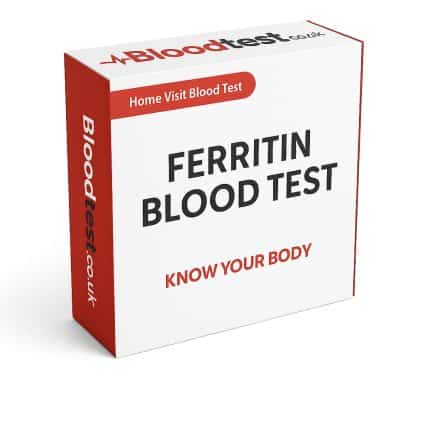
The Importance of Maintaining Healthy Iron Levels for Your Wellbeing
Understanding Iron’s Crucial Role in Your Health
Private Blood Tests for Iron Deficiency in Bristol: Keeping iron levels within a healthy range is essential for energy production and overall wellbeing. Many residents in the UK seek local services to efficiently and promptly monitor their iron levels. Iron is vital for the transport of oxygen throughout the body, affecting everything from physical performance to cognitive capabilities. Low iron levels can lead to fatigue, weakness, and various health complications. Regular monitoring enables individuals in Bristol and the surrounding areas to maintain optimal iron levels, allowing them to lead active and fulfilling lives. Given the widespread nature of iron deficiency, it is crucial to raise awareness and encourage proactive testing.

What Factors Contribute to Low Iron Levels in Individuals?
Various factors contribute to low iron levels among individuals across the UK. The primary causes include:
- Inadequate consumption of <a href="https://electroquench.com/foods-for-vitality-enhance-your-everyday-wellbeing/">iron-rich foods</a>
- Increased iron needs during pregnancy
- Chronic blood loss due to menstruation or gastrointestinal issues
- Malabsorption conditions, such as coeliac disease
- Vegetarian or vegan diets that lack sufficient iron sources
- High levels of physical activity requiring greater iron intake
Recognising these causes empowers individuals to make informed dietary choices and seek timely testing. By understanding these factors, residents can effectively manage their iron levels and overall health.
How Does Iron Deficiency Progress Over Time?
Iron deficiency typically develops gradually and may go unnoticed until symptoms become pronounced. Many adults in Bristol may not be aware that their dietary habits or increased demands are depleting their iron reserves. Regular monitoring is vital, particularly for those at higher risk due to lifestyle choices or health conditions.
As iron stores decline, the body may initially compensate, potentially leading to significant health issues over time. Being aware of one’s iron levels and understanding the importance of regular checks can help avert the worsening of iron deficiency and related complications.
How to Schedule a Blood Test for Iron Deficiency in Bristol
Exploring Convenient Local Testing Options
Bristol residents have access to a range of local testing options for iron deficiency. The NHS provides convenient appointments at clinics and hospitals throughout the city, ensuring timely evaluations of iron status without unnecessary delays. For those seeking faster results or personalised service, private clinics are also available.
When selecting a testing option, it is wise to consider factors such as location, availability, and the expertise of healthcare providers. Many local facilities are well-equipped to conduct blood tests and offer comprehensive care, making it easier for individuals to prioritise their health.
What Information Do You Need to Provide for Your Appointment?
When arranging a blood test, patients should provide specific details to ensure accurate processing and interpretation of results. This includes personal information such as name, date of birth, and contact details, along with any pertinent medical history.
Patients should also inform the clinic about any medications they are currently taking, allergies, or previous blood test results. This information helps healthcare professionals in Bristol evaluate the patient’s condition more effectively and tailor their approach to individual needs.
What Are the Costs and Availability of Blood Testing Services?
The costs associated with blood tests for iron deficiency can vary considerably between providers. Some services may be covered under NHS provisions for eligible individuals, while private clinics may have different pricing structures. Bristol residents should explore their options and understand the services available to them.
Many clinics offer transparent pricing and may provide packages that include follow-up consultations. By evaluating the costs and availability of services, individuals can make informed choices that align with their health needs and financial circumstances.
What Symptoms Indicate Possible Iron Deficiency?
Identifying Early Warning Signs of Iron Deficiency
Fatigue and pallor are often the initial symptoms of iron deficiency that individuals may observe. These early indicators prompt many in Bristol to seek a blood test for iron deficiency through reputable healthcare channels. Recognising these symptoms early on allows for timely intervention.
Other potential signs include shortness of breath during physical activity, dizziness, and cold extremities. Understanding these symptoms is crucial for residents to take proactive measures to address their iron levels and overall health before more serious complications develop.
How Can Iron Deficiency Impact Your Daily Life?
Chronic fatigue stemming from low iron levels can significantly disrupt daily activities, including work and leisure. Many individuals in Bristol may notice that their productivity and enjoyment of life diminish when they experience unexplained fluctuations in energy levels. This highlights the importance of prompt testing.
Tackling iron deficiency not only helps restore energy levels but also enhances overall quality of life. By seeking timely testing and treatment, individuals can regain their vitality and engage more fully in their daily routines, positively impacting their communities.
When Should You Consult a Healthcare Professional?
Certain situations necessitate immediate consultation with a GP regarding potential iron issues:
- Experiencing severe fatigue not explained by lifestyle factors
- Noticing persistent pallor or unusual skin changes
- Frequent dizziness or shortness of breath
- Experiencing heavy menstrual bleeding or other unexplained blood loss
Recognising these signs early can lead to timely intervention and treatment, preventing complications associated with untreated iron deficiency. Residents are encouraged to prioritise their health and seek professional advice when these symptoms arise.
Insights from Experts on Blood Testing for Iron Deficiency in Bristol
Recent Innovations in Blood Testing Technology
Recent advancements in blood testing technology have greatly enhanced the accuracy of detecting iron deficiency. Laboratories throughout the UK are now adopting refined blood analysis techniques, resulting in more reliable outcomes. These innovations empower healthcare professionals in Bristol to make better-informed decisions regarding patient care.
For instance, some laboratories now utilise improved methods to measure serum ferritin levels, offering a more precise indication of iron stores than traditional tests. This means residents can receive timely and accurate assessments of their iron status, leading to more effective treatment plans.
How Can You Accurately Interpret Your Blood Test Results?
Understanding blood test results is vital for patients. Common markers used in Bristol clinics include serum ferritin, haemoglobin levels, and transferrin saturation. These indicators provide insights into a patient’s iron profile and help determine the extent of any deficiency.
Patients should discuss their results with healthcare professionals, who can explain what the numbers signify and recommend appropriate next steps. Effective communication ensures individuals can make informed decisions about their health and necessary lifestyle adjustments.
Addressing Common Concerns Regarding Test Results
Many patients feel anxious when discussing abnormal findings with healthcare providers. It is essential to approach these conversations openly, asking questions about the implications of the results and available options. Residents in Bristol are encouraged to voice any concerns they may have regarding treatment or lifestyle changes.
To facilitate this, individuals should prepare questions prior to their appointment and seek clarification on any medical terminology that might be unclear. By actively engaging with healthcare professionals, individuals can gain a better understanding of their health and the necessary steps to take.
Essential Preparations Before Your Blood Test
Making Dietary Adjustments Ahead of Your Test
Certain foods and supplements can influence blood test results, so patients in the UK are advised to follow specific guidance from their Bristol-based practitioners. It may be recommended to avoid iron supplements or vitamin C-rich foods in the days leading up to the test, as these can interfere with results.
Maintaining a balanced diet that includes sufficient iron sources is essential. Patients should discuss their dietary habits with healthcare providers to ensure they are adequately prepared for accurate testing outcomes. This proactive approach can lead to more reliable results.
What Should You Avoid on the Day of the Test?
On the day of the test, hydration and the timing of medications can significantly affect the accuracy of results from a blood test for iron deficiency in Bristol. Patients are generally advised to stay hydrated but may need to avoid certain medications that could interfere with results.
It is crucial to adhere to the clinic’s instructions regarding fasting or medication adjustments. By following these guidelines, individuals can help ensure that their test results accurately reflect their iron status and overall health.
How to Arrive Prepared at the Clinic
Simple preparations can ensure a smooth experience when attending the clinic for a blood test. Patients should bring any necessary identification and relevant medical history documentation. This ensures that clinicians can collect reliable samples efficiently, minimising delays and ensuring precise results.
Being punctual for the appointment is also important. Arriving on time helps maintain the clinic’s schedule and ensures that patients receive the attention they need. A well-prepared visit can lead to a more positive experience and improved health outcomes.
Reviewing Past Test Results with Your Healthcare Provider
Bristol patients preparing for iron-deficiency blood tests should gather their previous results and discuss them with their healthcare practitioners. This context can provide valuable insights into changes in iron levels over time and assist clinicians in making informed decisions regarding current testing.
Being proactive about sharing past results allows for a more comprehensive understanding of one’s health journey. It also enables healthcare providers to tailor their approach based on individual histories, leading to more effective management of iron deficiency.
Research-Based Benefits of Blood Testing for Iron Deficiency in Bristol
Evidence Supporting the Need for Early Detection
Research carried out in the UK underscores the importance of timely testing to prevent complications associated with untreated iron deficiency. Early detection can prompt interventions that reduce risks, particularly for vulnerable groups such as pregnant women and individuals with chronic health conditions.
Studies suggest that regular monitoring can significantly enhance health outcomes, reducing the incidence of severe deficiencies and related health issues. By prioritising early detection, individuals can maintain better overall health and wellbeing.
Long-Term Benefits of Monitoring Your Iron Levels
Real-life examples demonstrate improved outcomes for Bristol residents who engage in consistent monitoring and appropriate interventions for iron deficiency. Many individuals report increased energy levels and enhancements in overall health after addressing their iron status through testing and treatment.
Continued engagement with healthcare providers fosters ongoing support and education, empowering individuals to make informed choices about their health. Long-term monitoring can lead to sustained improvements in quality of life and overall wellbeing.
How Testing Data Influences Treatment Strategies
Test results play a pivotal role in shaping personalised care plans within medical environments across the UK. Healthcare professionals utilise blood test findings to tailor treatment approaches, ensuring that interventions are aligned with each individual’s unique circumstances and needs.
By understanding how test results inform treatment decisions, patients can feel more empowered in their health journeys. This collaborative approach encourages a sense of ownership over one’s health and promotes proactive management of iron levels.
Where to Get Tested in the UK?
NHS and Private Testing Options
Public and private providers offer distinct avenues for iron testing in Bristol, each with its advantages. The NHS provides accessible services for eligible individuals, often at lower costs, while private clinics may offer quicker results and more flexible appointment times.
Residents should assess their personal circumstances, including health needs and financial considerations, when deciding between NHS and private options. Both pathways can provide essential testing services, allowing individuals to manage their iron levels effectively.
Understanding the Referral Process for Blood Testing
Obtaining a referral from a general practitioner for a blood test for iron deficiency in Bristol typically follows a straightforward process. Patients will need to discuss their symptoms and concerns during a consultation, during which the GP will determine if testing is necessary.
Once a referral is issued, patients can schedule their blood test at a local clinic. Familiarising oneself with this process clarifies the steps involved and ensures that individuals feel confident in seeking the care they require.
How to Choose the Right Testing Facility for Your Needs
When selecting a facility for testing, considerations such as wait times, accreditation, and patient reviews can significantly influence the decision. Residents in Bristol should take these factors into account to ensure they choose a suitable venue that meets their requirements.
Researching local clinics and hospitals can offer valuable insights into the quality of service available. By selecting a reputable facility, individuals can be assured that they are receiving high-quality care for their iron deficiency testing.
Aftercare and Follow-Up Recommendations
Understanding Your Blood Test Results
Clear explanations from clinicians enable patients to grasp the implications of their test results. In Bristol, healthcare providers strive to ensure that individuals comprehend what their iron levels mean and what subsequent actions may be required.
Patients should feel empowered to ask questions regarding their results and the next steps in their care. This open communication fosters a collaborative relationship between patients and healthcare professionals, enhancing overall health management.
Next Steps If Your Levels Are Found to Be Low
If test results indicate low iron levels, several follow-up actions are commonly recommended in UK healthcare:
- Consulting with a healthcare provider regarding treatment options
- Incorporating iron-rich foods into the diet
- Considering iron supplements as advised
- Scheduling regular follow-up tests to monitor progress
These actions can help address confirmed deficiencies and support individuals in restoring their iron levels to a healthy range. Taking these steps seriously can lead to improved health outcomes.
Strategies for Sustaining Healthy Iron Levels Over Time
Ongoing lifestyle choices greatly affect the ability to maintain balanced iron levels. Residents throughout Bristol and the surrounding areas can benefit from incorporating iron-rich foods, such as leafy greens, red meat, and legumes, into their diets while also being mindful of factors that influence absorption.
Regular check-ups with healthcare providers can assist in monitoring iron levels and ensuring that any changes in health are promptly addressed. By prioritising long-term health, individuals can prevent the recurrence of deficiency and maintain optimal wellbeing.
Recognising Early Warning Signs for Better Management
Patients in Bristol are encouraged to closely monitor their symptoms following initial treatment for iron deficiency. Being aware of any concerning signs that re-emerge can facilitate timely intervention and prevent complications linked to iron deficiency.
Staying vigilant about changes in energy levels, skin tone, or overall health empowers individuals to seek assistance when necessary. Ongoing communication with healthcare professionals is crucial for ensuring sustained health and wellbeing.
The Importance of Regular Consultations with Healthcare Providers
Healthcare providers across the UK recommend that individuals maintain open lines of communication with their general practitioners regarding any ongoing concerns or questions about their iron levels. Regular consultations can facilitate comprehensive aftercare and sustained wellbeing in the Bristol area.
By adopting a proactive approach to health management, individuals can more effectively navigate their iron deficiency issues and ensure they receive the necessary support. This ongoing relationship with healthcare providers is essential for achieving long-term health success.
Frequently Asked Questions
What does a blood test for iron deficiency entail?
A blood test for iron deficiency measures specific markers to evaluate iron levels and stores, helping to determine if an individual has adequate iron for optimal health.
How often should I be tested for iron deficiency?
It is advisable to undergo testing annually if you have risk factors for iron deficiency or experience symptoms. Regular monitoring helps maintain healthy iron levels.
What symptoms should I be vigilant about relating to iron deficiency?
Common symptoms include fatigue, pallor, dizziness, shortness of breath, and cold extremities. Early recognition of these signs can prompt timely testing and treatment.
What is the standard timeframe for receiving blood test results?
Patients can generally expect to receive blood test results within a few days to a week, depending on the clinic and testing methods employed.
Can I eat before undergoing a blood test for iron deficiency?
Patients may be advised to fast for a specific period before the test. It’s best to follow the specific instructions provided by the healthcare provider.
Are there any risks associated with blood testing?
Blood tests are typically safe, with minimal risks. The most common side effects include slight bruising or discomfort at the injection site.
What should I do if my test results indicate low levels?
If results reveal low iron levels, consult with your healthcare provider about treatment options, which may include dietary changes or iron supplementation.
Can I improve my iron levels through diet alone?
Yes, many individuals can increase their iron levels through a diet rich in iron-containing foods, such as red meat, beans, and leafy greens, along with vitamin C to enhance absorption.
What distinguishes ferritin from haemoglobin?
Ferritin indicates the body’s iron stores, while haemoglobin measures the amount of iron in red blood cells. Both markers are crucial for assessing iron status.
When should I seek medical advice for iron deficiency?
Seek medical advice if you experience persistent symptoms, such as extreme fatigue or unusual pallor, or have a history of iron deficiency or related health issues.
Connect with us on Facebook!
This Article Was First Found On https://bloodtest.co.uk
The Article Iron Deficiency Blood Test in Bristol: What to Anticipate found first on https://electroquench.com